

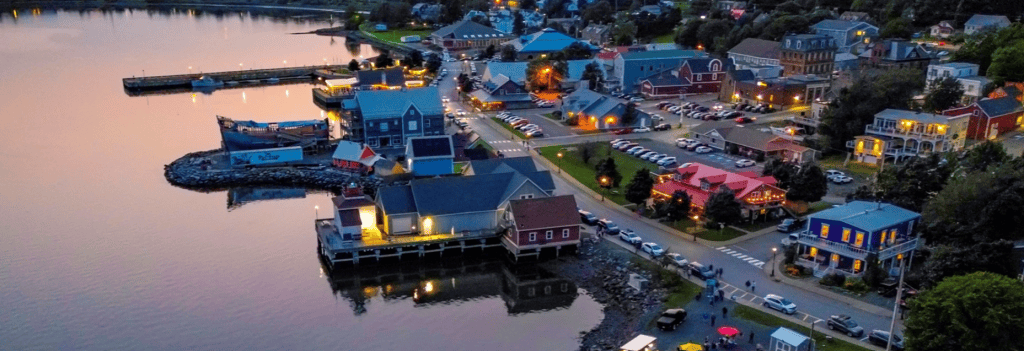
There is something wonderfully appropriate about ending a culinary journey beside the sea.
After weeks of travelling, tasting, talking, photographing and collecting stories from across Nova Scotia, I found myself on the Northumberland Shore, where the road seems to slow down and the food becomes inseparable from the landscape. Here, the Northumberland Strait stretches toward Prince Edward Island, fishing boats bob in harbours, farm fields roll toward the water and long sandy beaches invite you to stop for a while.
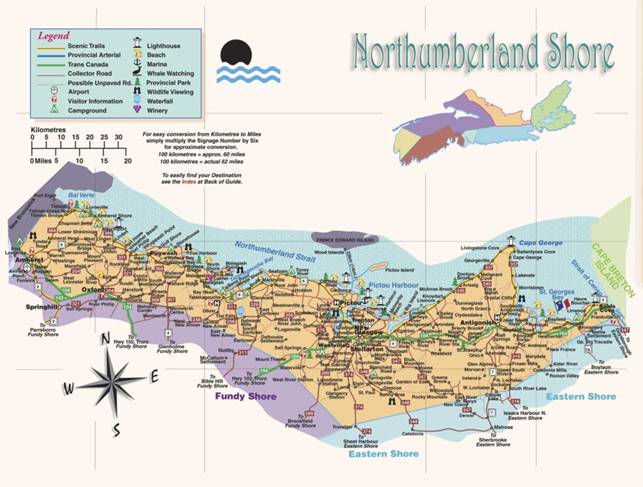
This is Beach Country, with more warm-water ocean beaches than anywhere else in Atlantic Canada. But for a culinary traveler, the real attraction is what happens between those beaches: lobster brought ashore, seafood chowder simmering in a kitchen, maple syrup poured over pancakes, berries baked into desserts, lavender tucked into shortbread, grains transformed into flour, and local wines raised from Nova Scotia soil.
It is a fitting final chapter because the Northumberland Shore brings together so many of the themes I encountered throughout this tour: food shaped by geography, recipes handed down through generations, small producers who are passionate about what they make, and communities that are proud to welcome visitors to their tables.
Antigonish: Start With Something Sweet
My Northumberland Shore experience began in Antigonish, a university town with a lively downtown and a distinctly Scottish influence. It is also home to the famous Antigonish Highland Games, the oldest continuous Highland Games held outside Scotland, a wonderful reminder that food and culture here have always travelled together.
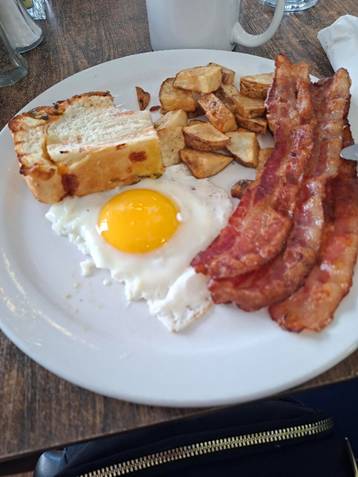
Coming into town on the old road toward Cape Breton Island, I stopped at Justamere Café & Bakery, tucked into the back corner of the Canadian Tire mall (137 Church St). It may not be the kind of place you expect to discover in a shopping plaza, but that is exactly what makes it such a good road-trip find.
Breakfast was relaxed and welcoming, with plenty of coffee and fresh-baked bread instead of the usual restaurant toast. The sweet cinnamon-raisin loaf and savoury jalapeño-cheese bread made the simplest breakfast feel special. It is the sort of local spot that reminds you not to judge a restaurant by its address.
Then there is Peace by Chocolate.
The Hadhad family’s story is one of those rare food stories that reaches far beyond the plate. Arriving in Antigonish from Syria, the family rebuilt their lives through chocolate-making, with the business growing from a family enterprise into a much-loved Canadian brand. Their story of resilience, welcome and community has become part of the Antigonish experience.
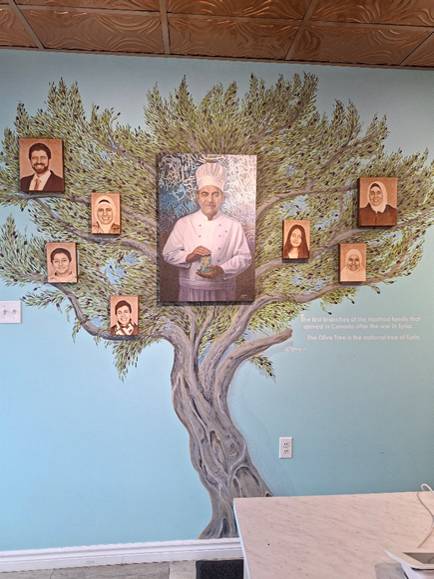
Of course, the chocolate itself needs no explanation. The assortment is varied, beautifully packaged and impossible to resist. But what stays with me is the idea that food can become a bridge between cultures. After weeks of travelling through Nova Scotia, that felt like an especially meaningful lesson to carry home.

Check out our review of their new expanded book in the Canadians + Food tab and win a copy of the second book by the ever talented author Jon Tattrie in our Giveaway section. Support their great ambition of Peace on Earth Society philanthropic endeavours at The Peace on Earth Society – Peace by Chocolate
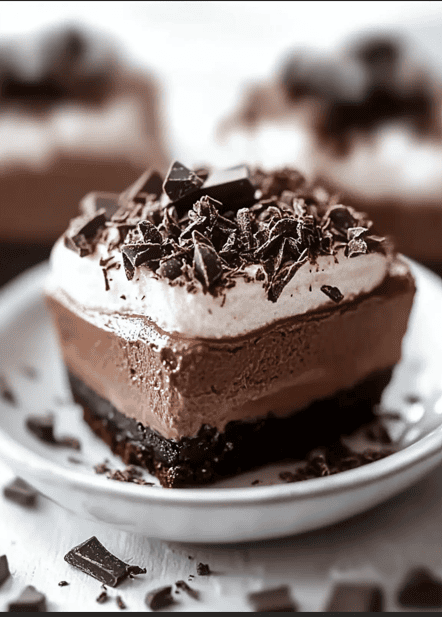
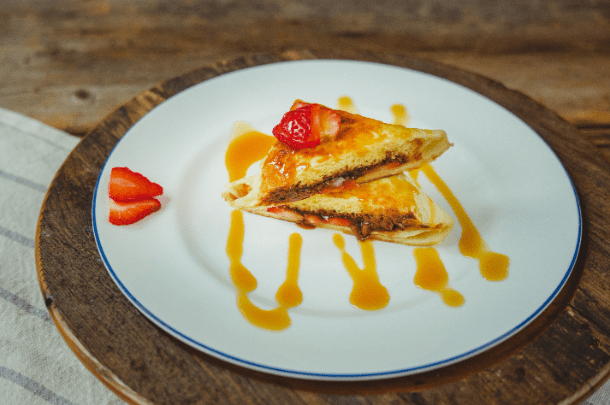
While you’re waiting to be inspired, check out the recipe for Creamy No Bake Chocolate Dessert in our Recipe section. So many variations of this delectable dessert can keep your friends and family smiling. You can also try the Hadhad family’s Chocolate Wrap at Chocolate wrap with Strawberries, Hazelnuts, and Caramel – Canadian Cookbooks
Pictou County: Food With a Story
From Antigonish, the road leads toward Pictou County, a region where food history is everywhere.
Fresh lobster, scallops and haddock are natural stars here, but Pictou County has another culinary celebrity: its pizza. The local style has developed such a loyal following that it has become part of the area’s identity. Farmers’ markets, bakeries and seasonal produce add another layer to a food culture that feels both proudly Maritime and deeply connected to home cooking.
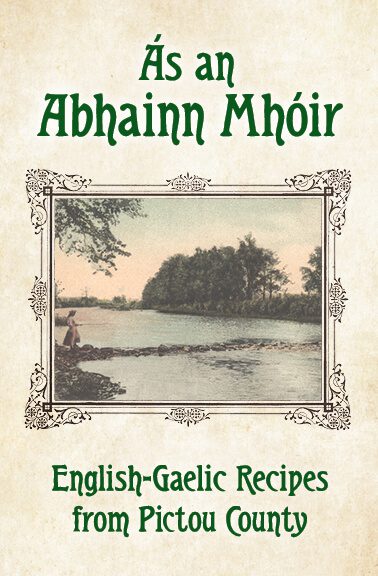
Pictou’s Gaelic heritage is particularly fascinating. The cookbook Ás an Abhainn Mhóir celebrates the foods, stories, songs, proverbs and cultural traditions of Pictou County in a bilingual English-Gaelic format. The title translates as “From the Big River,” the Gaelic name for the East River that flows through New Glasgow.
This is precisely why I love culinary travel. A cookbook can tell you what people eat, but it can also tell you why they eat it, where the ingredients come from and what memories are attached to the recipes.
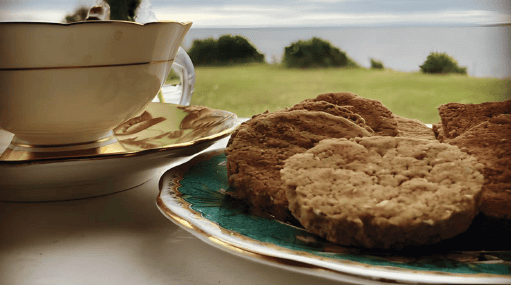
And then there are oatcakes.
The humble oatcake may not have the glamour of lobster or scallops, but it is one of those quintessential Nova Scotia tastes that appears again and again. Sweet, crumbly and wonderfully suited to a cup of tea or coffee, oatcakes are a reminder that some of the most enduring foods are the simplest ones. For a while, even Tim Horton’s was selling these delectable bites! You can now make them yourself in our Recipe section while entering to win a copy of the Gaelic cookbook in our Giveaway tab.
Pictou: Lobster, Shortbread and a Fiddle on the Waterfront
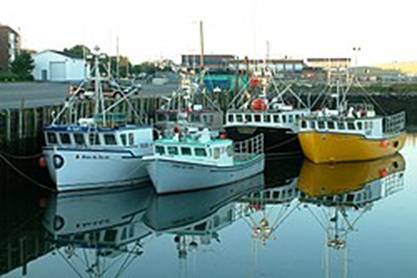
Pictou itself is one of the places where history and food seem to sit comfortably beside each other.
Known as the “Birthplace of New Scotland,” the town has strong connections to Scottish immigration and to the Mi’kmaw people who were here before the arrival of Scottish settlers. The Ship Hector story is central to the community, and today’s waterfront continues that tradition of welcoming visitors.
The best way to explore downtown Pictou is on foot.
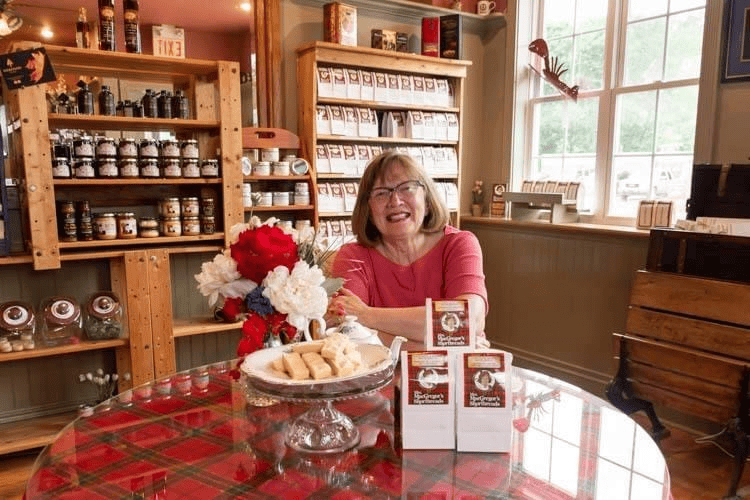
A stop at Mrs. MacGregor’s Shortbread (59 Water Street) is practically compulsory for anyone who believes that cookies count as a food group. Since 2004, the shop has been making shortbread from a generations-old family recipe. The classic Scottish version is delicious, but the Canadian Maple, Skor and Lemon Poppyseed varieties gave me plenty of excuses to keep sampling.

Just down the street, Grohmann Knives (116 Water St) offers another fascinating connection between food and craftsmanship. The company has been manufacturing knives in Pictou since 1961, and visitors can tour the facility and interpretive centre before browsing the selection of kitchen and outdoor knives.
For someone who spends a good deal of time in kitchens, this was a natural stop. We often talk about ingredients and recipes when we discuss culinary travel, but the tools we use to prepare food are part of the story too.

Eventually, though, I had to eat.
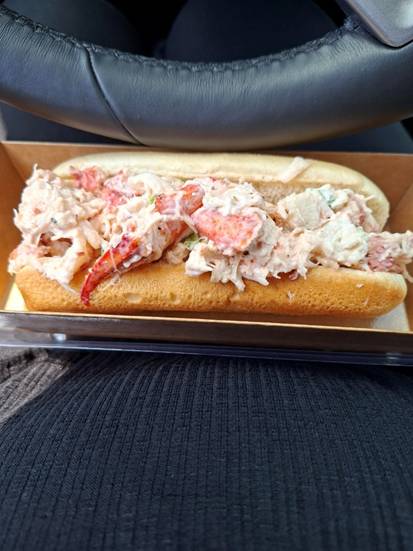
Walking along the waterfront, I picked up a lobster roll from Logan’s Daily Catch and sat on the pier to watch the boats go by. A young woman was practising her fiddle on the next pier, creating an accidental soundtrack for lunch. That simple moment — lobster, sea air, music and harbour traffic — is one of the memories that makes a food journey worthwhile.
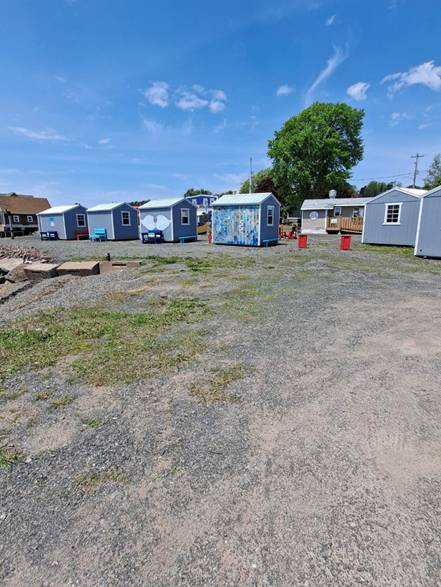
Nearby, Sharon’s Shanty was busy with takeout customers, while small waterfront buildings, Vendor Village showcased locally made art and treasures. On weekends, concerts add even more life to the waterfront.
This is Maritime dining at its best: not fussy, not rushed and not trying to be anything other than itself.
The Acadian Table
The Northumberland Shore also provides another important culinary thread: Acadian food.
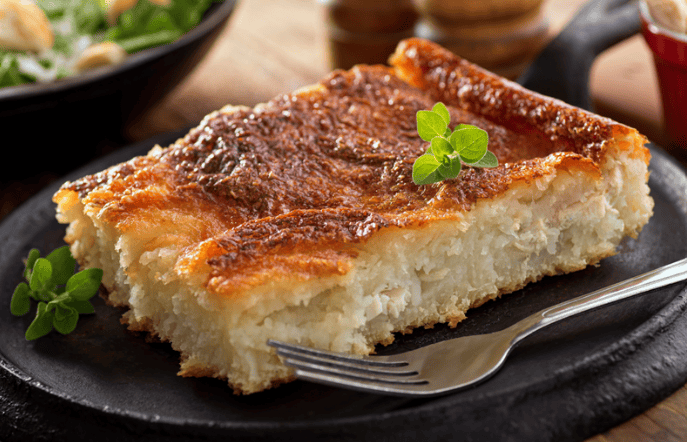
Rappie Pie, or râpure, is one of those dishes that immediately raises the question, “Whose recipe is best?” There is no easy answer. Some prefer it firm, some prefer it runny, and family recipes vary depending on ancestry and tradition. That debate is part of the charm.
Food traditions survive not because everyone agrees, but because people care enough to argue about them. Try your hand at Rappie Pie in our Recipe section and add your thoughts to the conversation.
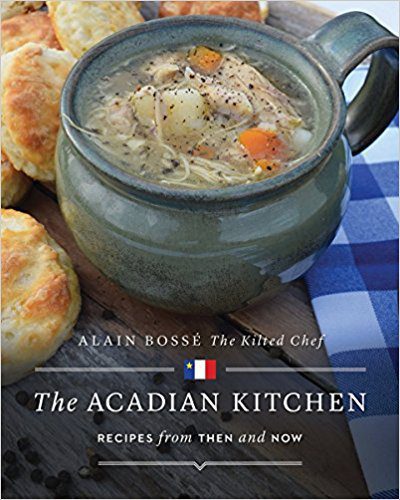
Alain Bossé, better known as The Kilted Chef of Pictou, reinforces the cultural fusion concept in his cookbook, The Acadian Kitchen. His work exploring Acadian cooking demonstrates how food evolves through cultural exchange, with French, Indigenous, Creole and Maritime influences contributing to a cuisine that continues to change while remaining rooted in history. We first met Alain at The Acadian Kitchen – Canadian Cookbooks Now you can win a copy of the book in our Giveaway section.
That is one of the great discoveries of travelling through Nova Scotia: there isn’t one single “Nova Scotia cuisine.” There are many overlapping foodways. Scottish, Acadian, Mi’kmaw, French, African Nova Scotian, Irish and Maritime traditions have all contributed to the province’s culinary story.
The Northumberland Shore lets you taste those connections.
Seafoam: A Little Lavender Magic
Leaving Pictou behind, I headed toward Seafoam and discovered a completely different side of the local food scene.
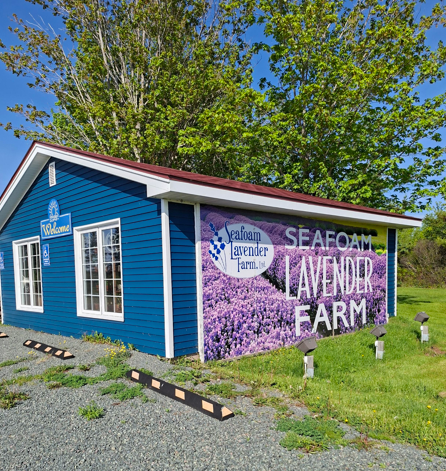
At Seafoam Lavender (3768 Hwy 6 Seafoam/River John), culinary lavender is grown and transformed into an assortment of products including tea, cookies, shortbread, oatcakes and jelly. The farm invites visitors to stroll the property, explore the shop and learn about the many culinary and personal uses of lavender.
It is a peaceful stop, and a good reminder that culinary travel does not have to mean sitting down to a large meal.
Sometimes it means smelling an herb growing in the field. Sometimes it means taking home a package of cookies. Sometimes it means meeting the person who grows the ingredient and understanding a little more about the care that goes into producing it.
Earltown: Maple Country
If there is one ingredient that can make a Nova Scotian feel nostalgic, it may be maple syrup.
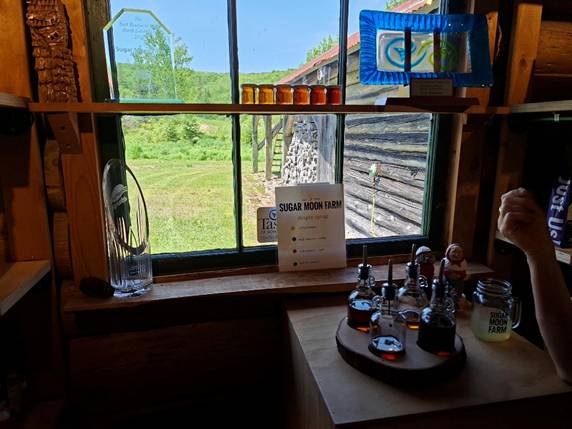
At Sugar Moon Farm (221 Alex MacDonald Rd), the maple tradition is celebrated year-round. What began as a small maple sugar shack more than 30 years ago has grown into a business offering tours, educational experiences, maple products and seasonal meals.
There is something wonderfully Canadian about sitting down to pancakes and maple syrup in the middle of the woods. After weeks of restaurant meals, chef-driven dishes and roadside discoveries, maple brunch brings the journey back to basics: good ingredients, a warm kitchen and a table where everyone feels welcome.
Balmoral Mills: Back to the Mill
From Earltown, a stop at Balmoral Grist Mill (660 Matheson Brook Rd), adds another chapter to the region’s food history.
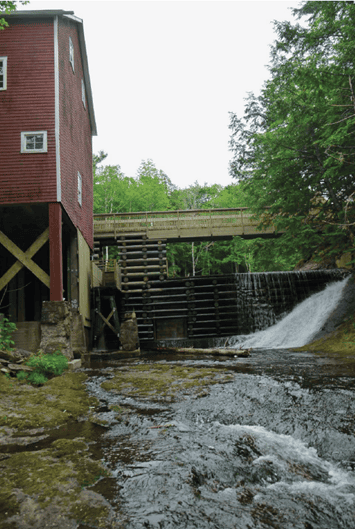
The mill dates back to 1875, when local farmers brought their grain to be turned into flour and cereals. Although the mill eventually closed in the 1950s, it has been brought back to life for visitors. Today, you can learn about the milling process and see flour and oatmeal being produced by the miller using traditional techniques.
For a culinary traveller, this is the sort of attraction that deserves more attention than it usually gets. We buy flour in tidy bags from grocery shelves and rarely think about the journey between grain in a field and flour in our mixing bowl. A working grist mill makes that connection visible.
And after visiting, I found myself thinking about all those Scottish breads, oatcakes and sweets I had encountered elsewhere along the shore. Suddenly the ingredients had a history.
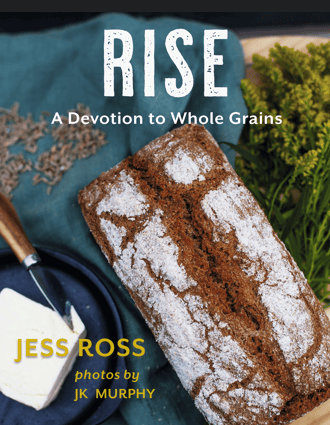
If you want to learn more about baking with whole grains, check out Nova Scotia’s bread baker, Jess Ross’ book, Rise at Rise – Canadian Cookbooks
Tatamagouche: Take Your Time
Tatamagouche is the kind of community where you should resist the temptation to hurry. Walk the main street. Browse the shops. Stop for coffee. Look around. Talk to people.
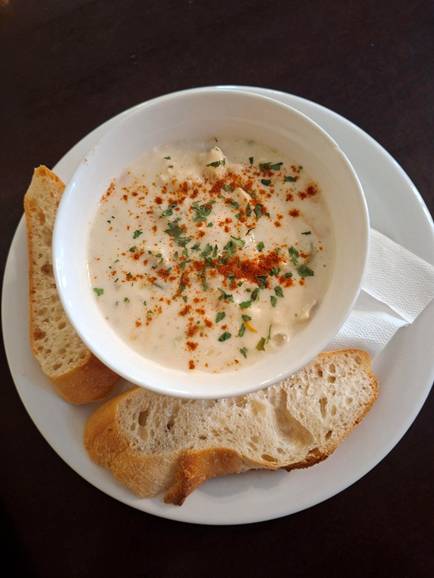
And then have chowder.
At the Chowder House on Main (265 Main St), the seafood chowder is packed with haddock, clams, scallops and shrimp in a creamy sauce. It is exactly the kind of meal I want after a day on the road — hearty enough to recharge you without taking itself too seriously.
Dinner on the Rails
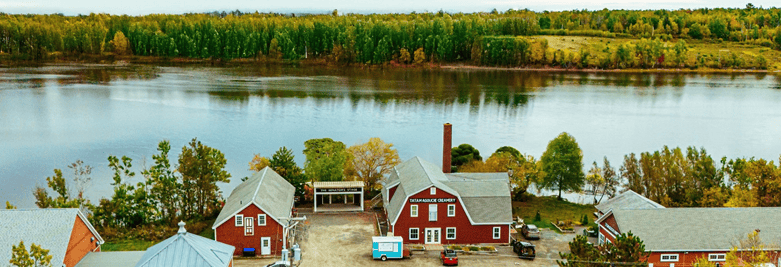
One of the most memorable stops on the entire Northumberland Shore is the Train Station Inn (21 Station Rd) in Tatamagouche.
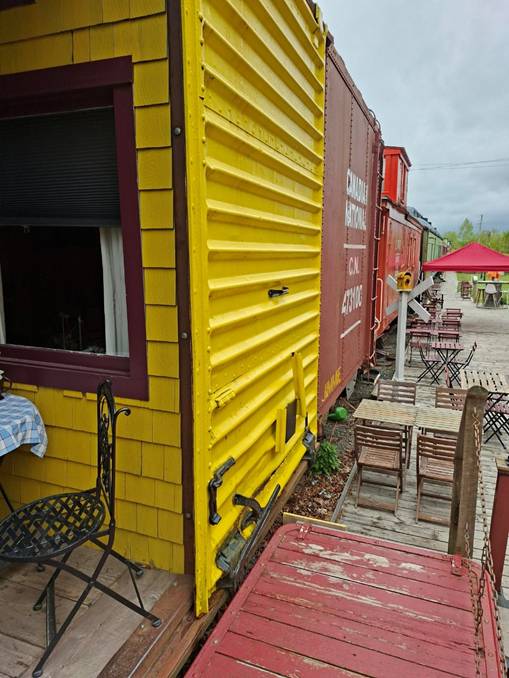
Tucked away from Tatamagouche‘s main street, the property has transformed historic railway cars into accommodations, including my own “Jimmie” caboose. The experience is wonderfully nostalgic without sacrificing comfort.
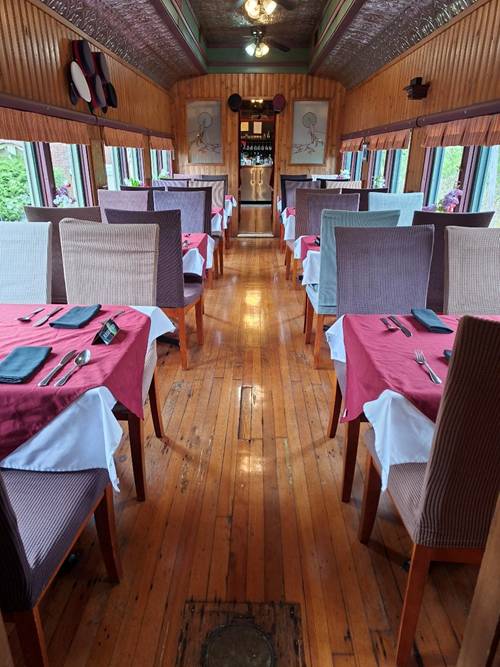
The railway theme continues into the dining experience. The Dining Car, built in 1928, provides an intimate setting for a refined meal. I enjoyed a Beetroot and Feta Salad with Gail’s homemade dressing, accompanied by a buttery biscuit and flavoured butter. A glass of Gaspereau Riesling from Wolfville made the perfect pairing.
Then came dessert: Gail’s Banana Rum Cake with caramel sauce and whipped cream. Divine.
There is something about eating dinner on a train that makes an ordinary meal feel like part of an adventure. Perhaps that is what this entire trip has been about.
But Tatamagouche is not only about seafood but also becoming known for the broader range of its food-and-drink culture. The area offers craft beer, wine and cider experiences, making it possible to build an entire day around local flavours rather than simply finding one restaurant for dinner. For wine lovers, nearby Malagash is home to Jost Vineyards, Nova Scotia’s oldest and largest winery, an important part of the Northumberland Shore‘s growing wine identity.
That combination — seafood, produce, maple, beer and wine — is what makes this region so much more than a beach destination.
Springhill: Music and Food
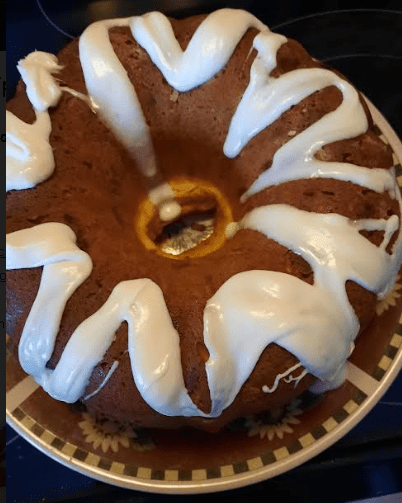
Driving inland from the coast, be sure to visit the Springhill museum that celebrates Canada’s music icon: Anne Murray. Having used her limousine for my wedding and “You Needed Me” as our song, visiting the Anne Murray Centre (36 Main St) was a personal nostalgic moment. We showcased Anne’s mother’s Cherry Cake in the past and I know you’ll enjoy it.
Food and Media
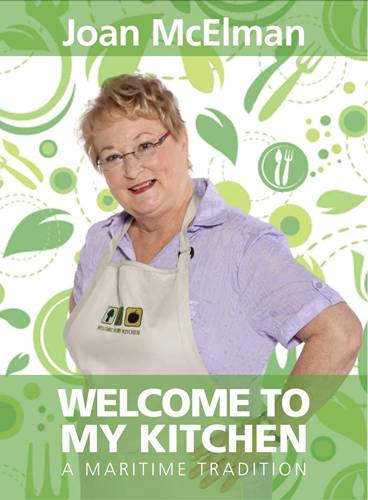
Eastlink is the popular television service provider in Nova Scotia. Joan McElman hosted cooking episodes for the network for years which became the highest rated show in the Maritimes. She captured many of the recipes from the show into her book, Welcome to My Kitchen found in the Book Review section.
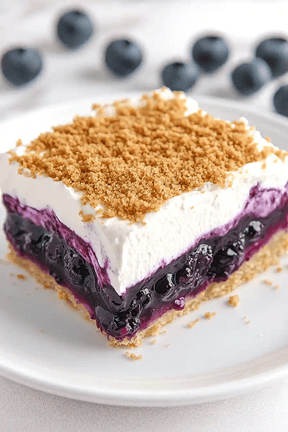
Blueberries are rampant in Nova Scotia so we wanted to honour their prevalence in the province with Joan’s Blueberry Layer Dessert in the Recipe section. Win a copy of her book in the Giveaway tab.
Amherst: The Last Stop
Eventually, every road trip has to end.
For me, Amherst made a natural final stop. Sitting at the gateway between New Brunswick and Nova Scotia, it is a practical place to begin or finish a Northumberland Shore adventure. Its historic downtown, sandstone architecture, Victorian homes, cafés and artisan shops make it worth more than a quick fuel-and-go stop.
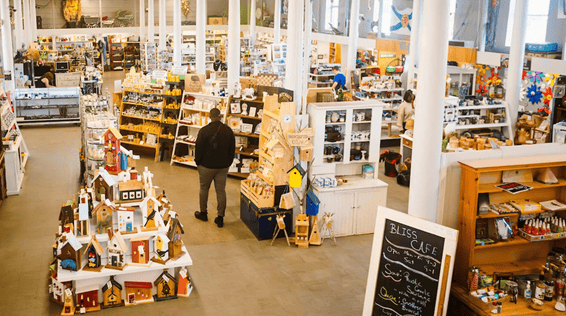
I wandered through Maritime Mosaic (129 Victoria St E), where more than 120 Maritime artisans are represented under one roof. I found sea glass for my granddaughter and shell earrings for a friend — small purchases, but exactly the kind of souvenirs that carry a memory of a place home with you.
And that is another thing I have learned during this journey. The best souvenirs are rarely the expensive ones. They are the jar of maple syrup. The package of shortbread. The cookbook. The bottle of wine. The bag of freshly milled flour. The photograph of a lobster roll beside the harbour. The recipe someone shared with you because they wanted you to know how their family makes it.

The Frugal Traveler’s Table
Weeks on the road also taught me something about the practical side of culinary travel.
Eating every meal in restaurants can become expensive, particularly on a long road trip. My favourite strategy remains simple: use the hotel in-room coffee machine, mini fridge and microwave when available. Pick up fruit, muffins or another local breakfast item. Make lunch the main restaurant meal when menus are more affordable. For dinner, explore a supermarket or local shop for prepared foods, then find a picnic table overlooking the water.
And always leave room for ice cream.
It is a small strategy, but it creates another kind of culinary adventure. A supermarket can tell you as much about a community as a restaurant. A picnic beside the sea can be more memorable than a formal dining room. And a local ice cream cone is sometimes the perfect punctuation mark at the end of a day.
Goodbye from Northumberland Shore
As I look back over this culinary tour, the Northumberland Shore feels like exactly the right place to close the book.
Not because it has the final word on Nova Scotia food, but because it contains so many of the words that have appeared throughout the journey.
History. Family. Community. The sea. The farm. The kitchen. The cookbook. The recipe. The person behind the food.
Across Nova Scotia, I have met people who don’t simply produce food; they carry traditions forward. I have tasted recipes shaped by immigration and cultural exchange. I have watched ingredients travel only a short distance from field or ocean to plate. I have discovered that a bakery tucked behind a shopping mall can become a favourite stop, that a chocolate company can tell a story of resilience, that a lobster roll eaten beside a working harbour can become a treasured memory, and that a humble oatcake can connect generations.
The Northumberland Shore brings all of that together.
It is where Scottish heritage meets Acadian tradition, where agriculture meets the sea, where maple forests meet sandy beaches, and where old recipes continue to find their way onto modern tables.
Culinary Travel Wrap-Up
And perhaps that is the greatest lesson of culinary travel.
Food is never just food: It is geography. It is history. It is culture. It is migration. It is memory. It is the person who grew the ingredient, the person who cooked it and the person who sat across the table and shared it with you.
During this journey, I travelled thousands of kilometres, but the distances that matter most are the ones between people. Every meal offered an invitation to sit down, listen and learn.
By the time I reached the Northumberland Shore, I wasn’t simply looking for the next restaurant or the next recipe. I was looking for the story. And Nova Scotia had given me plenty. The province had opened its arms, pulled up a chair and filled the table.
Now it was time to go home — but not before one last taste of the sea, one last local treat and one last look down the road.
If you have never taken a culinary road trip through Nova Scotia, pack the car, open your maps app and leave room in the trunk.
Bring an appetite. Bring curiosity. And bring time.
Because the best part of travelling this province is not simply arriving at the next destination. It is discovering what — and who — you find along the way.
Nova Scotia is worth the drive. And very much worth the taste.
Content and images used with permission by Nova Scotia Tourism. Nova Scotia Travel & Tourism | Official Guide to Nova Scotia