

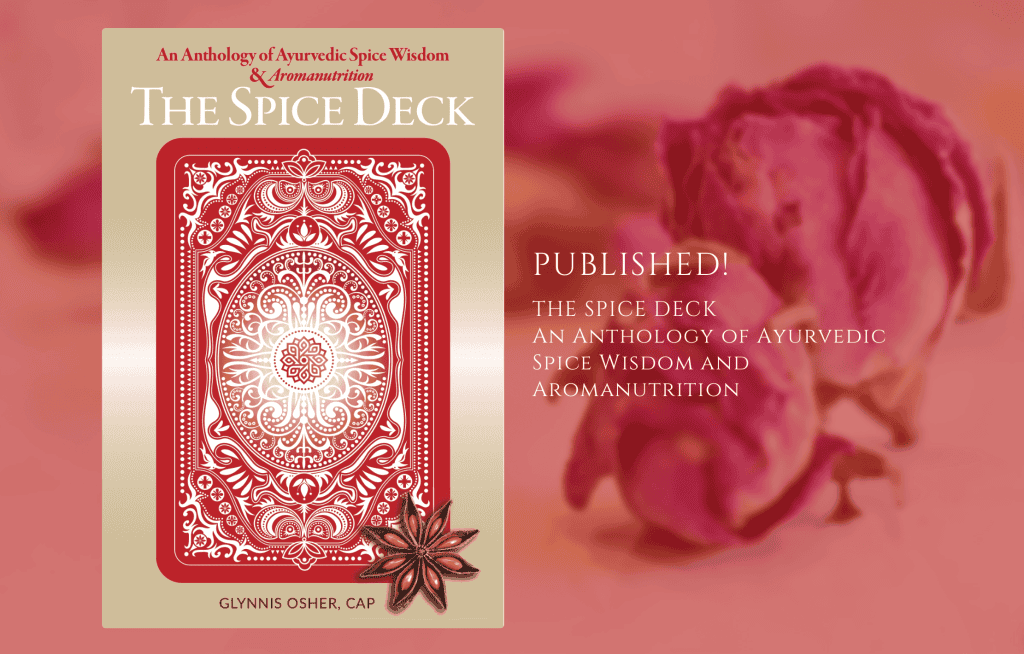
What if your spice rack could double as a passport, a culinary toolbox and a little source of daily inspiration? That is the delicious proposition at the heart of Glynnis Osher’s The Spice Deck, an exuberant exploration of 52 spices viewed through the lens of Ayurveda, food, aroma and ritual. Home – Academy Aromatica

For anyone who loves to cook by instinct—opening the cupboard, sniffing a jar and wondering what might happen if cumin met coriander, or sumac met sesame—this is a particularly inviting book. Osher, known as the “Spice Mistress,” wants us to stop thinking of spices as supporting players and start treating them as the ingredients that can make a dish sing.

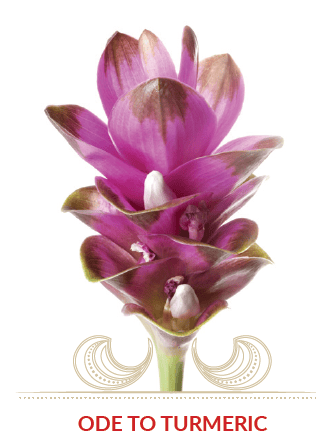
The book’s centerpiece is its collection of 52 individual spice profiles, ranging from familiar favourites such as cinnamon, ginger, garlic, cumin and turmeric to more intriguing ingredients including grains of paradise, mastic, pippali, galangal and ajowan. Each entry combines flavour, aroma, culinary uses, pairings and Ayurvedic context. The result feels less like a conventional cookbook and more like a creative prompt for the adventurous cook.
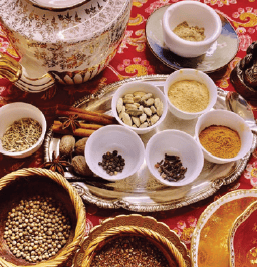
And there is plenty here to get the taste buds going. The recipes move beyond the predictable curry-and-chai territory into a wonderfully international spice cabinet. Osher includes classic blends such as za’atar, harissa, chaat masala, Chinese five-spice and ras el hanout, alongside her own Gomasalas. Her Bunny Chow Masala, inspired by South African Indian cooking and memories of Durban, is especially appealing, combining coriander, cumin, fennel, fenugreek, black pepper, mustard, turmeric, chilli, ginger, cinnamon and cloves.
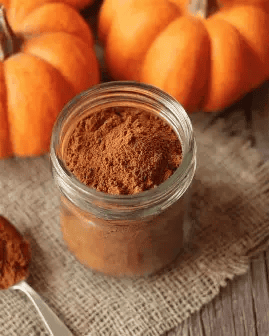
What I particularly like about The Spice Deck is its encouragement to experiment rather than slavishly follow recipes. The book repeatedly demonstrates how a small addition can transform an ordinary meal: smoked paprika on eggs or salad, cinnamon in chocolate-chip cookies, or a homemade za’atar sprinkled over roasted salmon. The underlying message is wonderfully foodie-friendly: complexity does not necessarily require complicated cooking. One popular spice blend at this time of year is pumpkin spice. Now you can create your own concoction in our Recipe section.
There is also practical advice for cooks who want their spices to taste their best, including guidance on buying whole spices, storing them properly and grinding them fresh. That attention to aroma is important because Osher’s concept of “aromanutrition” places flavour and fragrance at the centre of the eating experience.
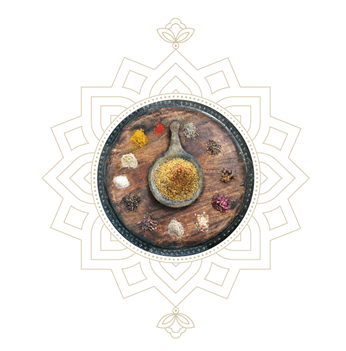
The Ayurvedic material is substantial, so readers expecting a straightforward recipe book should know that The Spice Deck travels considerably further. It explores doshas, the six tastes, spice energetics, rituals and the relationship between food and well-being. Some readers will embrace this holistic approach; others may prefer to dip into the culinary sections and simply enjoy the recipes. Purchase the book at The Spice Deck: An Anthology of Ayurvedic Spice Wisdom and Aromanutrition or win a copy in our Giveaways section.
This is a book that makes you want to open the spice drawer and start playing. The Spice Deck is at its best when it reminds us that cooking can be curious, sensory and wonderfully improvisational—and that sometimes the smallest pinch is what turns dinner from ordinary into memorable.
Contents and images used with permission by Glynnis Osher. The Spice Deck: An Anthology of Ayurvedic Spice Wisdom and Aromanutrition