

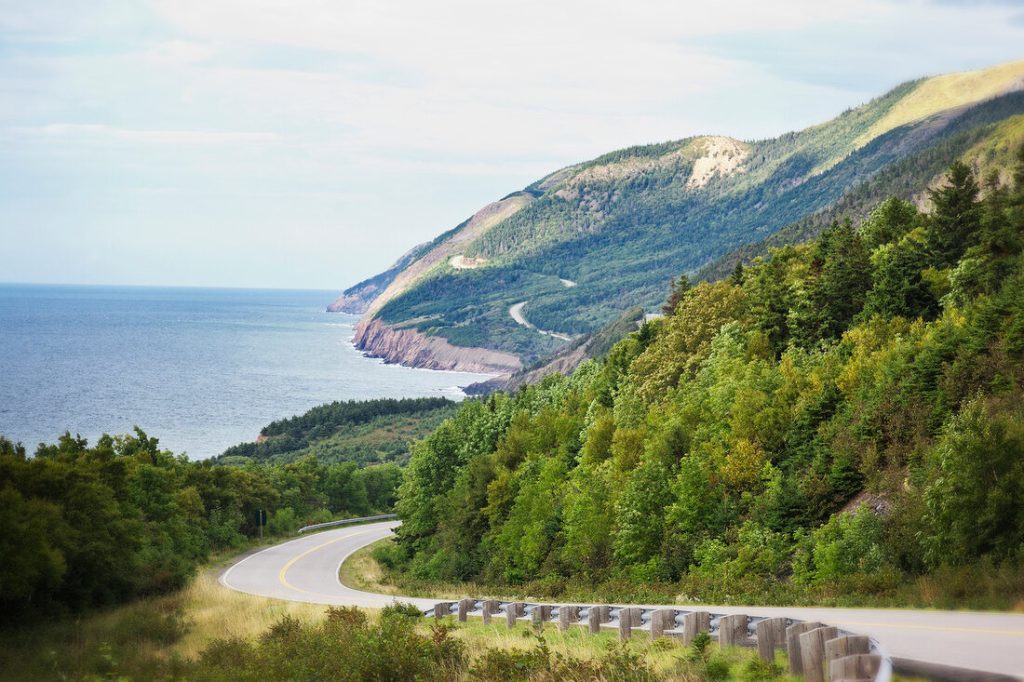
A Culinary Journey Through Culture, Coastlines, and Community
Over the next six weeks, we’ll be exploring the regions of Nova Scotia through the lens of food, culture, and the people who bring both to life. My goal is to uncover the stories behind the ingredients, recipes, and traditions that have shaped this remarkable province. What became clear almost immediately is that Nova Scotia’s food culture is about far more than what appears on the plate. It is rooted in history, family, resilience, and a profound connection to both land and sea.
One of the greatest takeaways from my travels was that everyone has a story to tell. Whether it’s a fifth-generation apple grower, a chef showcasing local seafood, or a café owner who knows every customer by name, Nova Scotians are fiercely proud of their heritage. Long before “farm-to-table” became a culinary buzzword, communities here were harvesting, preserving, sharing, and celebrating local ingredients as a way of life.
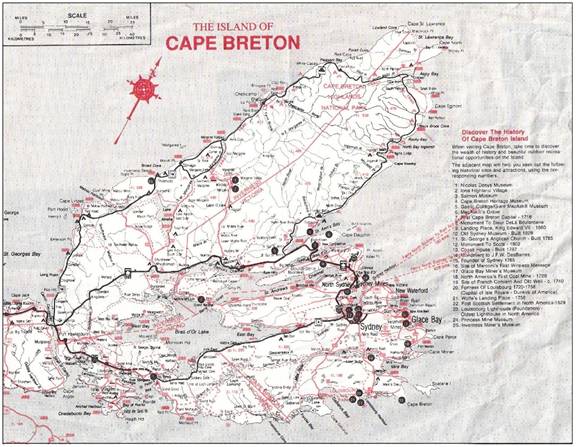
Our journey begins on Cape Breton Island, a destination renowned for its breathtaking scenery, rich cultural traditions, and vibrant food scene. Indigenous, Gaelic, Acadian, Dutch, and countless other influences have helped shape the island’s identity. The result is a place where every meal tells a story and every road seems to lead to another hidden gem.
Taking the Scenic Route to Port Hood
If you’re heading to Cape Breton Island, resist the temptation to rush. Shortly after crossing the Canso Causeway, take Highway 19 and follow the winding coastal route. The road hugs the shoreline, revealing sweeping ocean vistas, fishing communities, and quiet beaches that invite spontaneous stops. This is slow travel at its finest, and for food lovers, slowing down is always worthwhile.
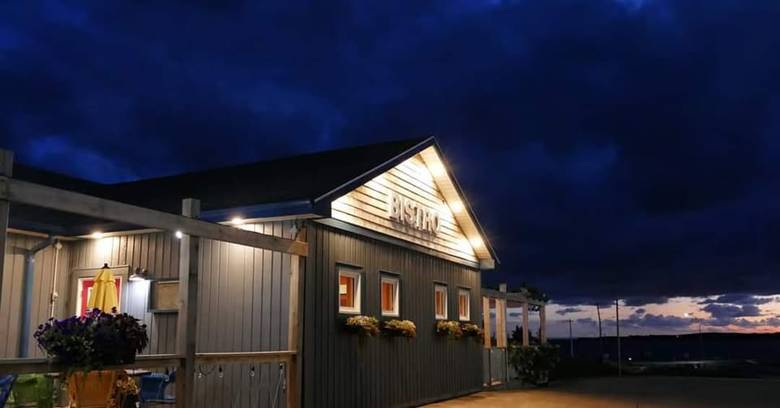
Eventually, you’ll arrive in the welcoming community of Port Hood, home to the beloved Clove Hitch Bistro. Located alongside the Four Mermaids Gift Shop, the bistro embodies the entrepreneurial spirit that thrives throughout rural Nova Scotia. Owner Patricia began with a gift shop, expanded into hospitality, and continues to invest in preserving local heritage through a historic inn project.
Lunch at the Clove Hitch Bistro is more than a meal—it’s an introduction to Cape Breton hospitality. The smoked meat melt is a standout, offering comforting flavours and hearty portions that fuel a day of exploration. As you sit among locals and visitors alike, it becomes clear that restaurants here are gathering places where stories are exchanged as freely as recipes.
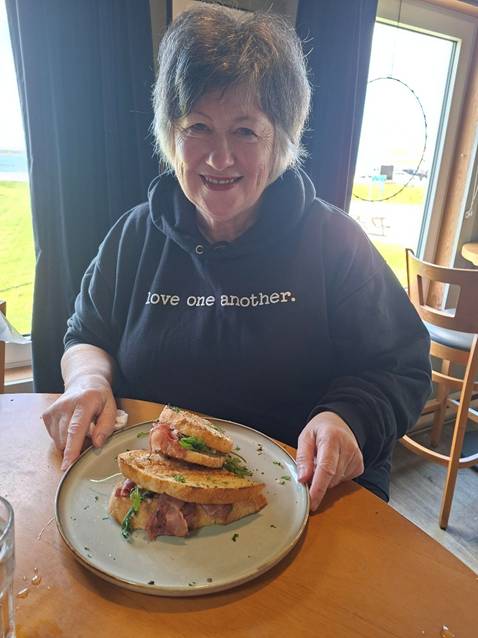
Lunch with Mary Janet MacDonald
One of the highlights of my visit was meeting Mary Janet MacDonald of Tunes and Wooden Spoons, whose cookbooks and online baking videos have inspired countless home cooks. We had previously reviewed her books, so sharing lunch with her felt like reconnecting with an old friend.
Although she modestly describes herself as retired, Mary Janet remains deeply involved in her community. Whether baking treats for local fundraisers or sharing recipes online, she continues to celebrate Cape Breton traditions through food.

Win a signed copy of Mary Janet’s Come In, The Kettle’s On cookbook in our Giveaway section while trying her Hoodie’s Turtle Chocolates in the Recipe tab…a nod to her hometown of Port Hood.

Our conversation drifted naturally toward family recipes and oral history. We reflected on the importance of encouraging children and grandchildren to learn the stories behind treasured dishes. A recipe card may preserve ingredients and measurements, but it is the stories—the people, celebrations, hardships, and triumphs—that truly bring a recipe to life. Her cookbook, Come In, The Kettle’s On, does exactly that…gathers stories and recipes from people around the province that will live on through Mary Janet’s generous sharing.
Travel can serve a similar purpose. Visiting the places that shaped previous generations helps us understand their lives in ways that books alone cannot. Cape Breton excels at creating those connections between past and present, making every culinary discovery feel deeply personal.
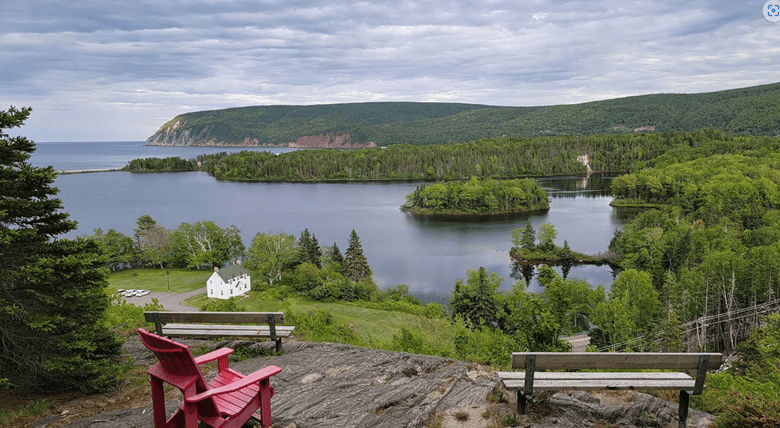
Whales, Trails, and Ocean Breezes in Cheticamp
Continuing north brings travelers to Cheticamp, a charming Acadian community known for its seafood restaurants, artisan shops, and proximity to the Cape Breton Highlands National Park.
The ocean dominates life here, so it seems only fitting to experience it firsthand. A whale-watching excursion with Captain Zodiac offers an unforgettable perspective on the island’s coastal ecosystem. Depending on the season, visitors may encounter humpback whales, pilot whales, minke whales, dolphins, seals, and a variety of seabirds.
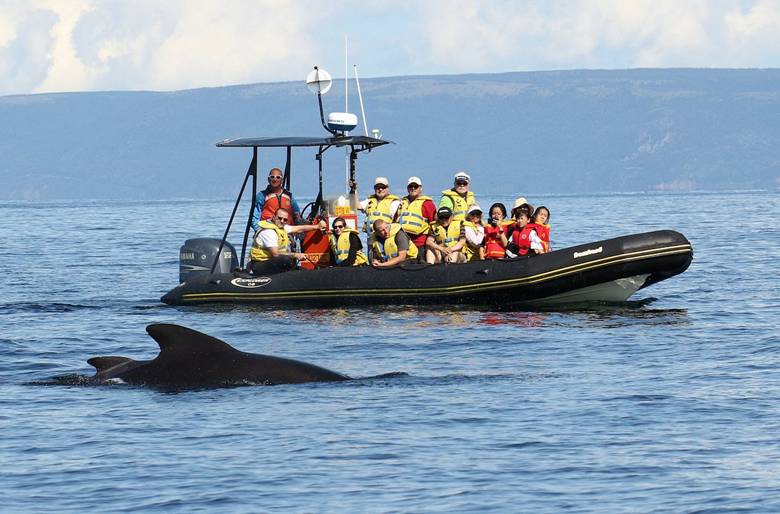
For food enthusiasts, experiences like this provide an appreciation for the waters that sustain local communities. Watching whales surface against the dramatic backdrop of rugged cliffs reinforces the deep connection between Cape Breton’s culinary traditions and its marine environment.
Back on land, the nearby national park offers spectacular hiking opportunities. Trails follow routes once travelled by Acadian settlers, weaving through forests, highlands, and coastal lookouts. Whether you choose to tackle a challenging trail or simply drive portions of the Cabot Trail, the scenery is enough to leave you speechless.

Understanding the Island’s Rivers
Food tourism isn’t only about restaurants. Sometimes understanding a region’s food culture means learning where ingredients originate.
In Margaree Valley, tucked away along peaceful back roads, the Margaree Fish Hatchery provides a fascinating glimpse into the future of Nova Scotia’s waterways. Visitors can observe newly hatched fish alongside older juvenile trout and salmon destined to support local river populations.
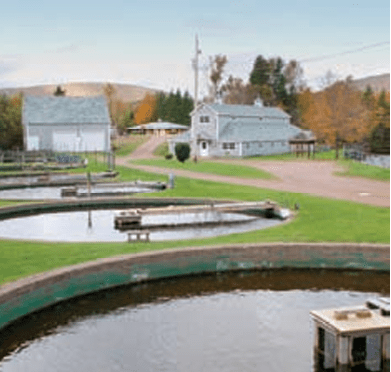
Jamie, a knowledgeable guide, explained the hatchery’s role in maintaining healthy ecosystems and sustaining recreational fishing opportunities throughout the province. Thousands of fish pass through the facility each year, demonstrating the scale of the effort required to protect these treasured species.
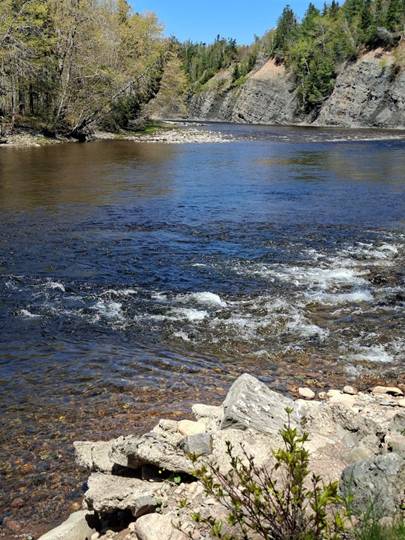
Standing outside afterward, surrounded by rolling hills and pristine landscapes, it was easy to appreciate why conservation matters so deeply here. Healthy rivers support healthy communities, and healthy communities support vibrant food traditions.
A Taste of European Elegance in Sydney
Sydney serves as Cape Breton’s urban hub, but even here, small-scale hospitality remains front and center.

The Royal Hotel is a delightful surprise. Tucked away in the downtown core, this beautifully restored inn feels more like a boutique retreat in Quebec City than a traditional maritime accommodation. Antique furnishings, elegant décor, and thoughtful details create a warm atmosphere that encourages guests to slow down and savour the experience.

Breakfast proved to be a memorable affair. French toast drizzled with local maple syrup arrived alongside fresh fruit, cheese, yogurt, coffee, and juice. It was simple, beautifully prepared, and exactly the kind of meal that reminds you how satisfying breakfast can be when quality ingredients take center stage.
For culinary travelers, accommodations are often part of the experience. Places like the Royal Hotel demonstrate how hospitality and food work together to create lasting memories.
Discovering Mi’kmaw Heritage
No exploration of Cape Breton’s culinary identity would be complete without learning about the Mi’kmaw people, whose connection to this land stretches back thousands of years.
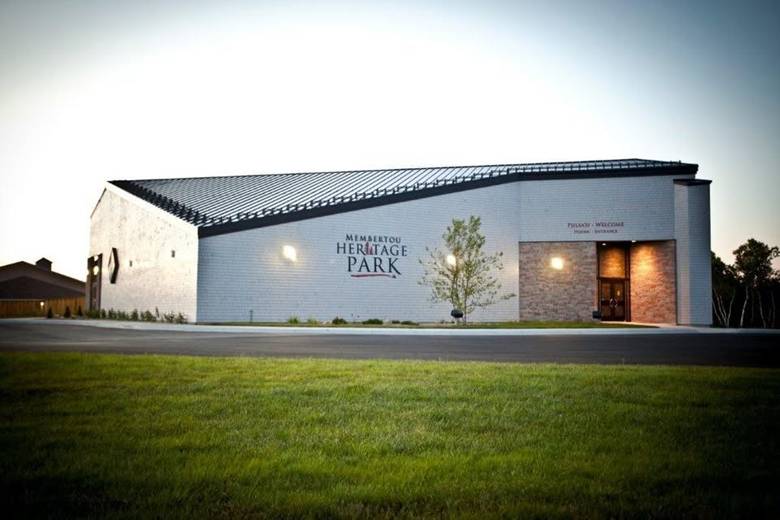
Membertou Heritage Park offers visitors an immersive opportunity to understand Mi’kmaw culture through storytelling, education, and hands-on experiences. Guided tours introduce guests to traditional teachings, ceremonies, music, and craftsmanship. Workshops may include beading, drum making, dreamcatcher creation, and discussions about traditional medicines.

Food and culture are inseparable, and Indigenous knowledge continues to influence how many people understand the land today. Sharing tea and traditional Luskin bread while listening to stories provides a meaningful reminder that food is often a gateway to deeper cultural understanding. Join Mi’kmaw guide Jeff Ward on a guided medicine walk along the Greenlink Rotary Trail in Sydney or Humes River Falls. These easy, family-friendly events allow participants to learn about traditional plant medicines, Mi’kmaw legends, and how the land was historically used for survival and healing.
Indigenous Inspiration Meets Modern Cuisine
Just a few steps away, Kiju’s Restaurant in the Membertou Trade & Convention Center, demonstrates how tradition and innovation can work beautifully together.
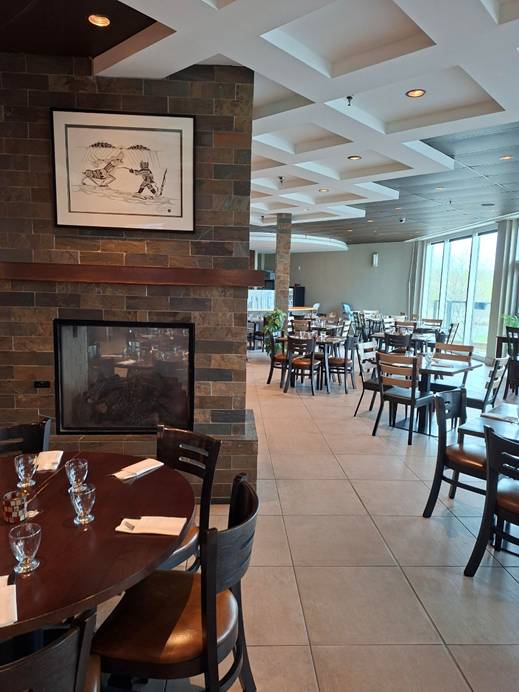
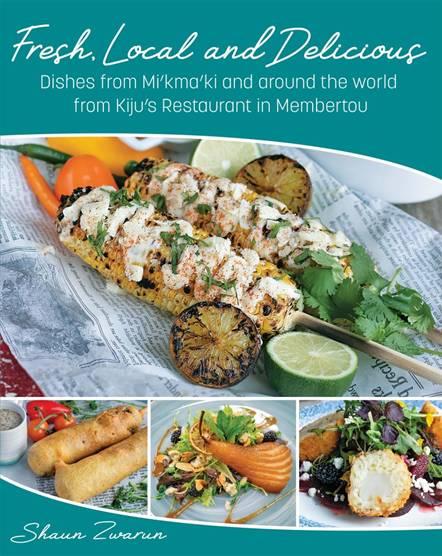
Chef Shaun Zwarun grew up in Glace Bay before refining his culinary skills across Atlantic Canada. Returning home, he embraced the challenge of creating elevated dining experiences while remaining rooted in local tastes and ingredients. We featured his cookbook, Fresh, Local & Delicious, a few years ago but thought you’d like to win a signed copy of it in our Giveaway section. While you’re waiting for your book to arrive, try Shaun’s Spiced Banana Bread French Toast in the Recipe section.
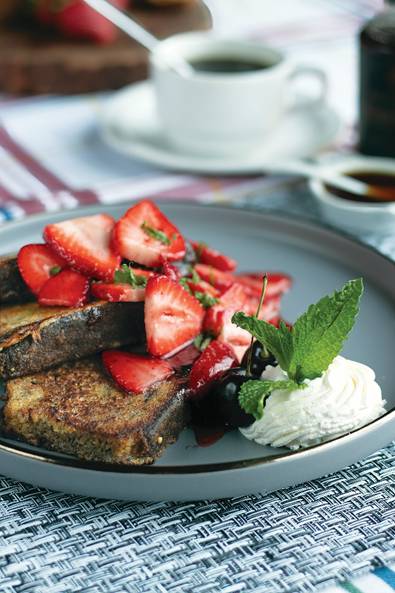
At Kiju’s, Indigenous culinary traditions meet fresh seafood, seasonal produce, and contemporary techniques. The menu reflects both place and identity, showcasing flavours that are distinctly Cape Breton while remaining approachable for visitors.
Restaurants like Kiju’s play an important role in modern food tourism. They introduce travelers to local ingredients while encouraging conversations about heritage, sustainability, and community. Every dish becomes an opportunity to learn something new about the region.
Exploring Gaelic Culinary Traditions
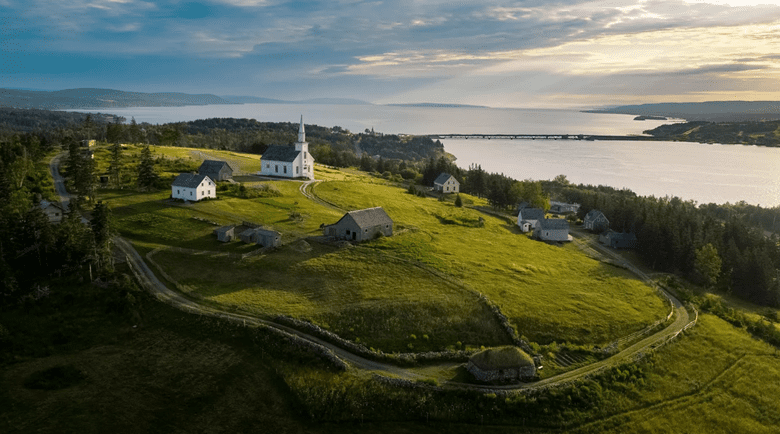
Cape Breton’s Scottish heritage remains one of its defining cultural influences. Music, language, storytelling, and food continue to thrive thanks to organizations dedicated to preservation and education.
The Highland Village Museum (Baile nan Gàidheal) in Iona (4110 Hwy 223) offers visitors a fascinating journey into the lives of Gaelic settlers. Perched on a hill overlooking the beautiful Bras d’Or Lakes, the site feels remarkably similar to parts of rural Scotland.
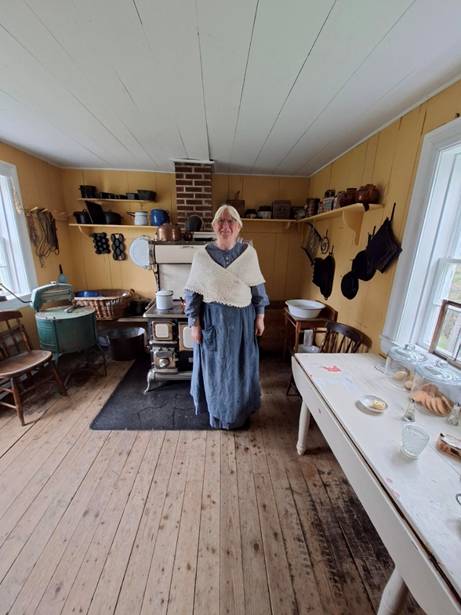
Historic buildings, costumed interpreters, and engaging exhibits reveal what daily life looked like for early immigrants. During my visit, conversations with staff members provided valuable insights into traditional cooking practices. When asked what settlers typically ate, one guide offered a refreshingly honest answer: “Whatever they had.”
That simple statement captures the essence of traditional food culture. Resourcefulness, seasonality, and adaptability shaped generations of cooks. Meals were guided by necessity, available ingredients, and community support. A hearty thank you to Aileen, Cecilia and Logan for educating me in the ways of the Gaelic kitchen (and the tea and cookies!).
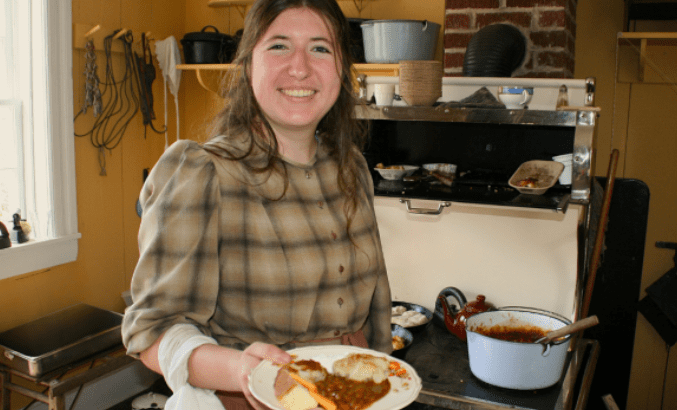
Browsing old cookbooks and handwritten recipe collections offered a glimpse into kitchens where every ingredient mattered and every meal carried meaning.
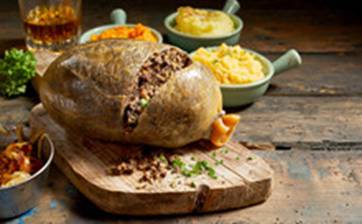
Hanging Out with the Haggis
While exploring the museum gift shop, I discovered a charming children’s book titled Hanging Out with the Haggis. The playful story imagines the famous Scottish dish as a mythical animal roaming the countryside. Read some magical insights into this book on our Canadians + Food tab.
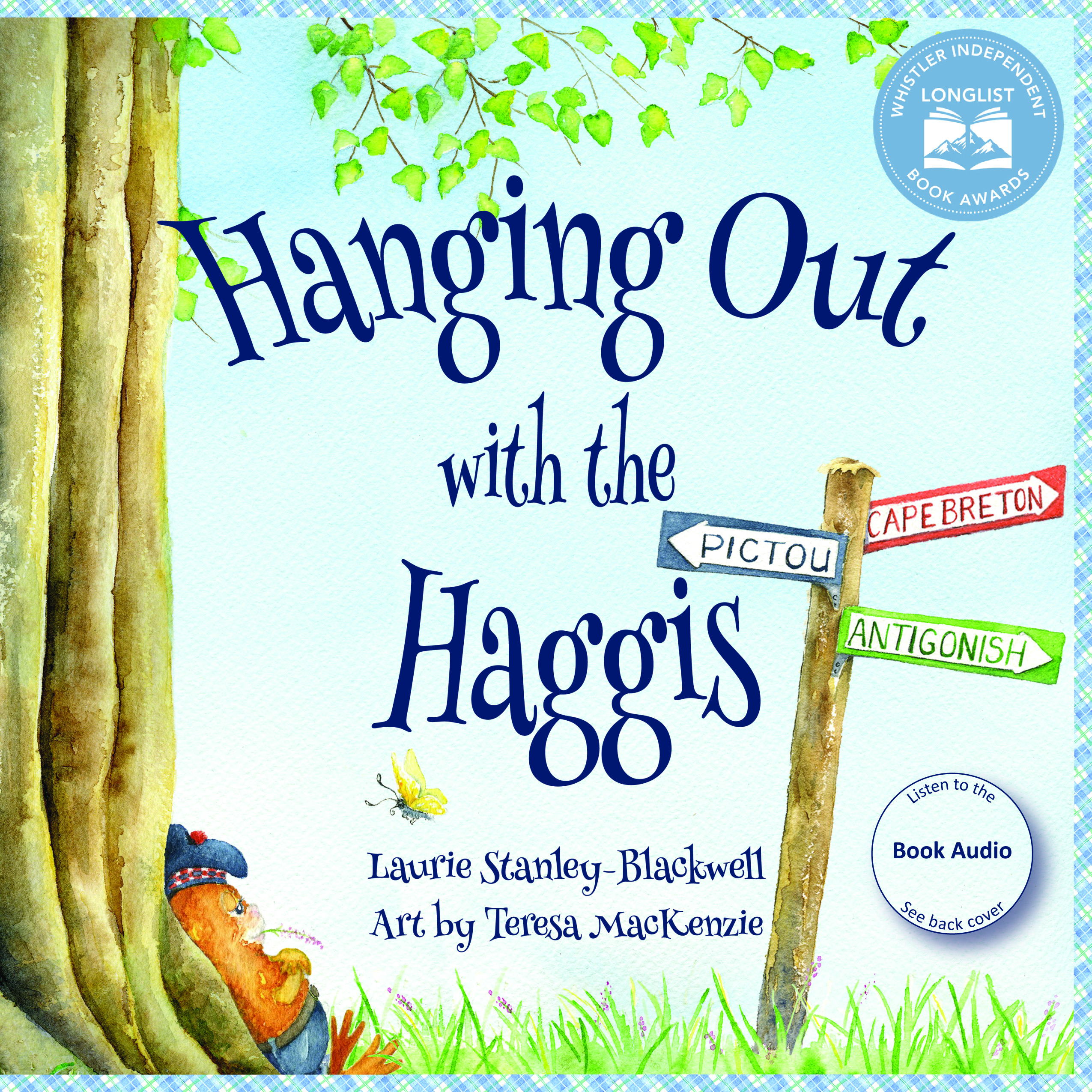
The book’s humour highlights something important about food traditions: they evolve through storytelling. Generations often pass recipes along with jokes, legends, and family anecdotes that make them memorable
Even foods that challenge modern palates can become treasured cultural symbols. Haggis may not be everyone’s first choice at the dinner table, but understanding its significance provides insight into Scottish history and the enduring influence of immigrant communities on Cape Breton’s food landscape.
A Delicious Farewell in St. Peter’s
As our Cape Breton journey draws toward its conclusion, the village of St. Peter’s offers an ideal final stop before returning to mainland Nova Scotia.
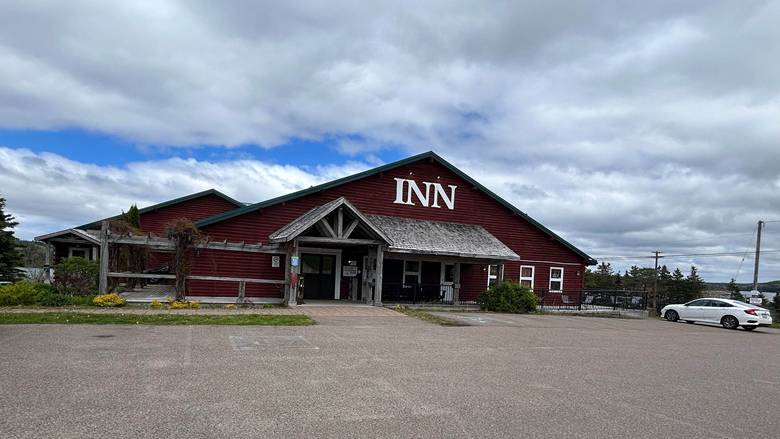
Located near the famous Bras d’Or Lakes, the community combines maritime charm with outdoor adventure. The Bras d’Or Lakes Inn serves as both a comfortable accommodation and an appealing culinary destination.
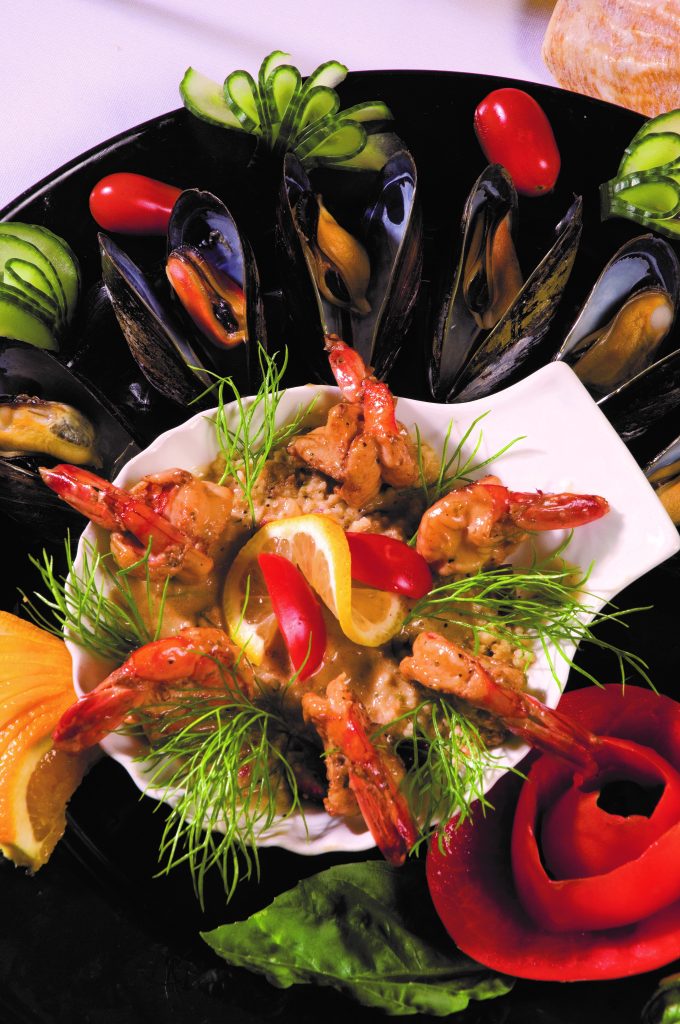
Guests can choose between fine dining and pub-style fare while enjoying views of the surrounding waterways. Seafood naturally features prominently on local menus, with Acadian-inspired shrimp dishes (like the one in our Recipe section) from Cape Breton Tastes in the Book Review tab, showcasing the flavours that define the region.
Beyond dining, visitors can enjoy kayaking, fishing, paddleboarding, hiking, and countless opportunities to appreciate Cape Breton’s natural beauty. It’s the type of place where travelers often plan to stay one night and end up wishing they had booked three.
Literary Flavours of Cape Breton
Food and storytelling intersect once again through the work of author Renny DeGroot, whose Cape Breton mystery series introduces readers to the fictional investigations of Detective Gordie MacLean – known around the St. Peter’s area.
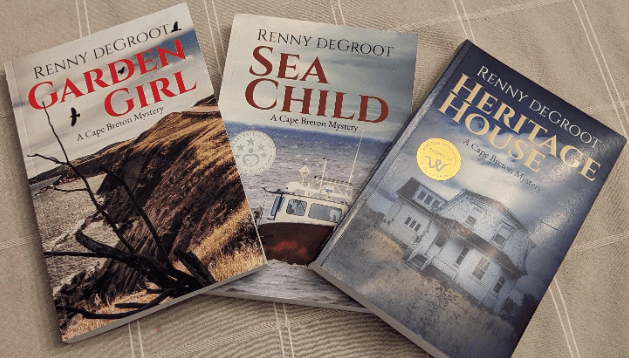
Fans of authors such as P. D. James and Louise Penny will appreciate DeGroot’s atmospheric approach. Reading the books before visiting the island adds another layer to the travel experience, allowing readers to recognize locations and feel connected to the communities that inspired the stories.
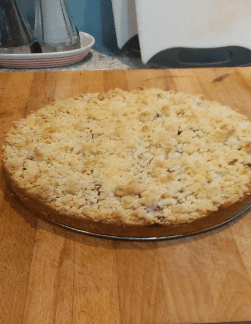
Like recipes, novels preserve a sense of place. They capture the rhythms, landscapes, and personalities that make Cape Breton unique. The island boasts a thriving German and Dutch population so we thought you’d like to try Renny’s Apfelkuchen – a German version of apple crumble…delightful!
Final Thoughts: Follow the Secondary Roads
Travel Tip: If there is one piece of advice I would offer food-loving travelers, it is this: take the secondary roads whenever possible. The major highways will get you where you need to go efficiently, but the scenic routes reveal the island’s true character. Along these winding roads you’ll encounter family-run cafés, artisan studios, roadside farm stands, fishing wharves, bakeries, and conversations that simply cannot be scheduled into an itinerary.
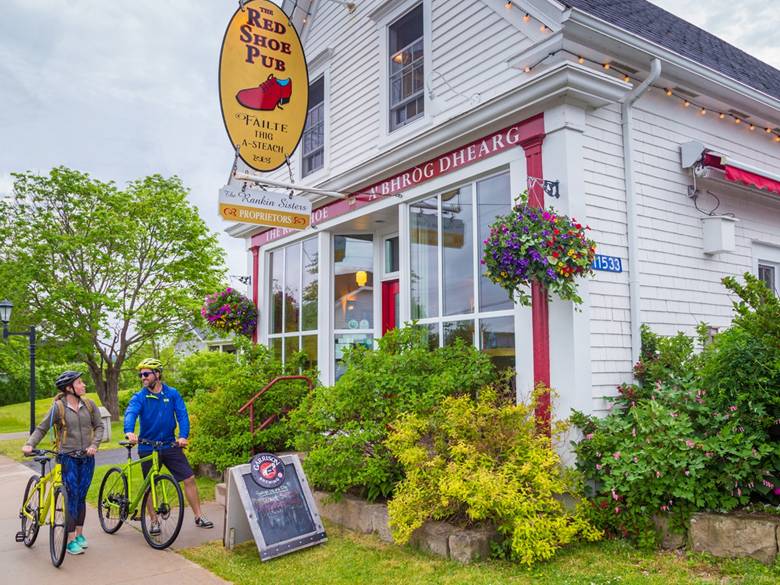
Cape Breton’s culinary landscape is not defined by celebrity chefs or trendy dining districts. Instead, it is built upon generations of farmers, fishers, bakers, cooks, storytellers, and community builders who continue to share their heritage through food.
Whether you are enjoying a smoked meat melt in Port Hood, learning Indigenous traditions in Membertou, savouring fresh seafood in Sydney, or ending the day with Acadian-inspired cuisine overlooking the Bras d’Or Lakes, every experience reinforces the same lesson: food is the thread that connects people to place.

Cape Breton Island offers spectacular scenery, certainly, but its greatest attraction may be the people who welcome visitors to their tables and invite them to become part of the story. For culinary travelers seeking authenticity, flavour, and genuine connection, few destinations are as rewarding as this remarkable corner of Nova Scotia.
Contents and images used with permission by Nova Scotia Tourism.