

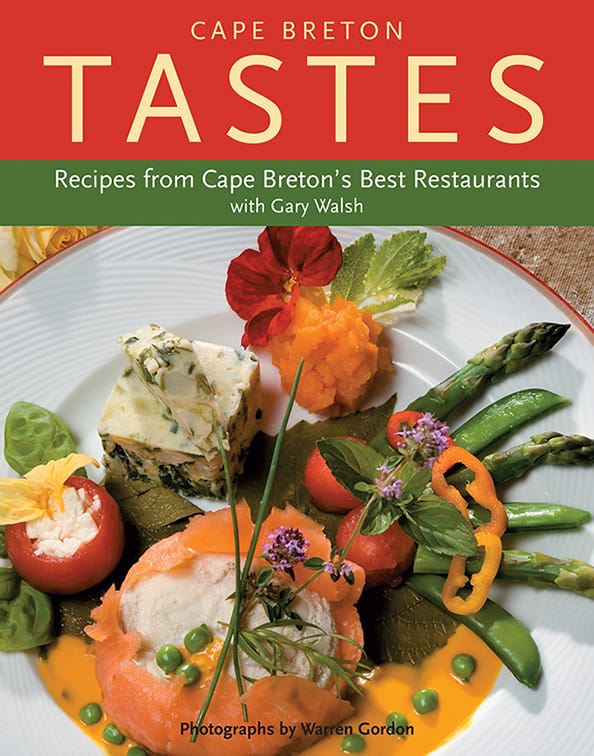
There’s something about Cape Breton Island that lingers with you long after you’ve visited. It might be the dramatic cliffs, the warmth of its people, or—if you’re like me—the food that seems to wrap you in hospitality as much as flavor. Gary Walsh captures that essence beautifully in Cape Breton Tastes: Recipes from Cape Breton’s Best Restaurants, a cookbook that doubles as a culinary love letter to the island. Although an older book with many of the restaurants now gone, it still provides the essence of Cape Breton cuisine.
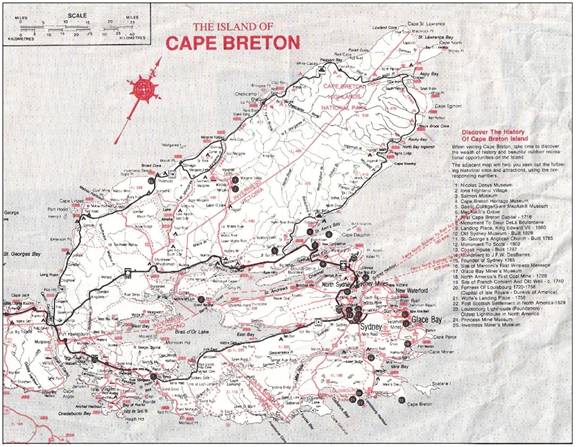
Walsh sets the tone by highlighting the unique blend of cultures that shape Cape Breton’s food scene. Scottish, Acadian, Indigenous, and immigrant influences weave together to create a cuisine that is rustic yet inventive, hearty yet elegant. Rather than presenting Cape Breton cooking as a monolith, Walsh gives readers a tour through the island’s diverse restaurants, each offering its own interpretation of local ingredients and traditions.

What I love most about this book is that it isn’t just about recipes—it’s about people. Many restaurants featured comes with a story, whether it’s a family-run inn that has perfected its chowder over decades, or a modern bistro taking inspiration from the sea and land that surround it. Walsh clearly has a knack for capturing the personalities of chefs and owners, making the cookbook read like a series of intimate conversations rather than a static collection of instructions.
The recipes themselves strike a balance between accessibility and sophistication. Home cooks will find plenty of dishes they can tackle without a culinary degree—think seafood chowders, oatcakes, or mussels in white wine. At the same time, the book doesn’t shy away from more ambitious fare. Dishes like seared scallops with apple-cider reduction or wild mushroom risotto showcase Cape Breton chefs’ creativity and give readers a chance to stretch their skills.
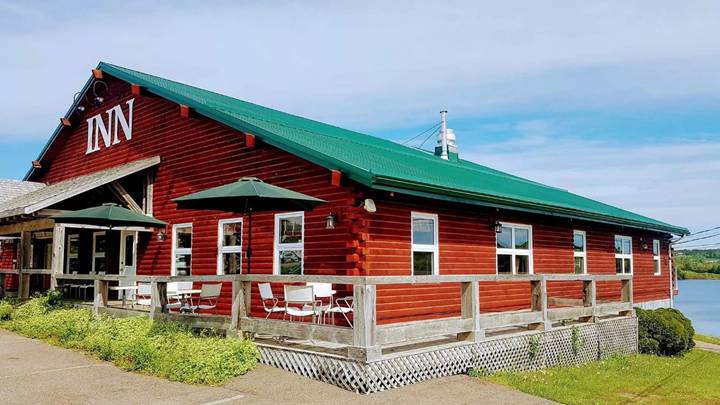
Seafood, naturally, is the star of the show. Lobster, mussels, scallops, and cod appear in numerous recipes, always with a reverence for freshness and simplicity. But Walsh also reminds us that Cape Breton’s bounty extends inland—local lamb, berries, and foraged mushrooms all make their appearances. There’s a real emphasis on seasonality and terroir, echoing the “eat local” philosophy long before it became trendy. The Acadian Shrimp in the Recipe section provided by Bras d’Or Lakes Inn is easy but packed with flavour.
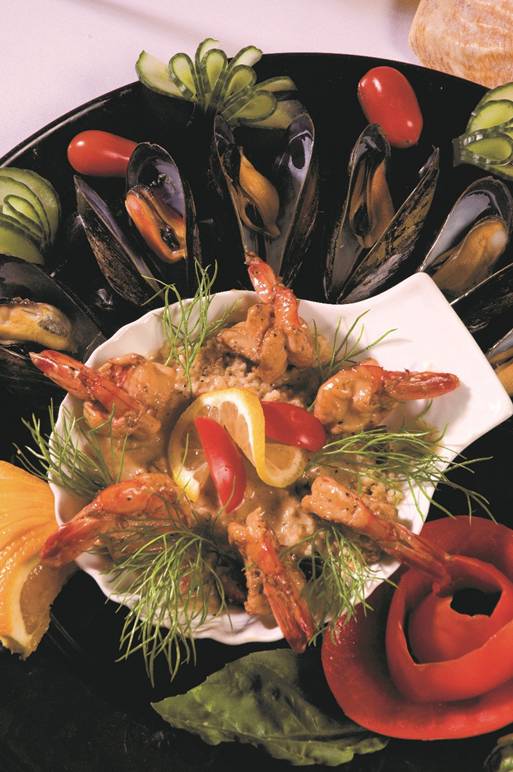
Design-wise, Cape Breton Tastes is a pleasure to flip through. The photographs—both of the dishes and of the island itself—are warm, inviting, and often breathtaking. The food styling feels authentic rather than staged, which fits the book’s spirit. You can almost hear the waves crashing against the rocks or smell the wood smoke in the background as you read.
Where the book really shines is in its sense of place. This isn’t just a cookbook you’ll pull off the shelf when you’re craving chowder. It’s a guide to Cape Breton culture through the medium of food. For those who’ve traveled there, it will stir memories; for those who haven’t, it may well inspire a trip. Travel note: This is an older book so be sure to check contributing restaurants’ location, hours and menus. Purchase the book at Cape Breton Tastes – Nimbus Publishing and Vagrant Press or win a copy in our Giveaway section.
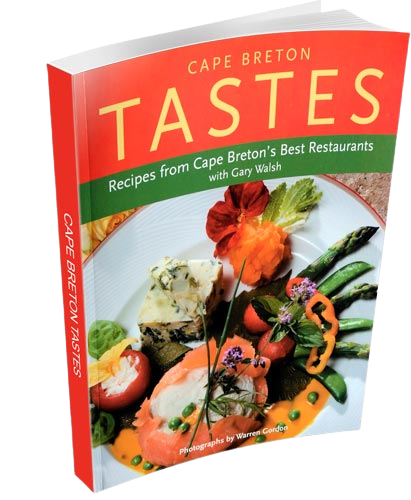
In the end, Gary Walsh has done something special with Cape Breton Tastes. He’s created more than a recipe collection—he’s bottled the island’s hospitality, traditions, and creativity into a volume that feeds both body and soul. Whether you’re a seasoned cook, a casual foodie, or simply someone who dreams of the sea, this book deserves a place in your kitchen.
Content and images used with permission by Nimbus Publishing. Cape Breton Tastes – Nimbus Publishing and Vagrant Press