

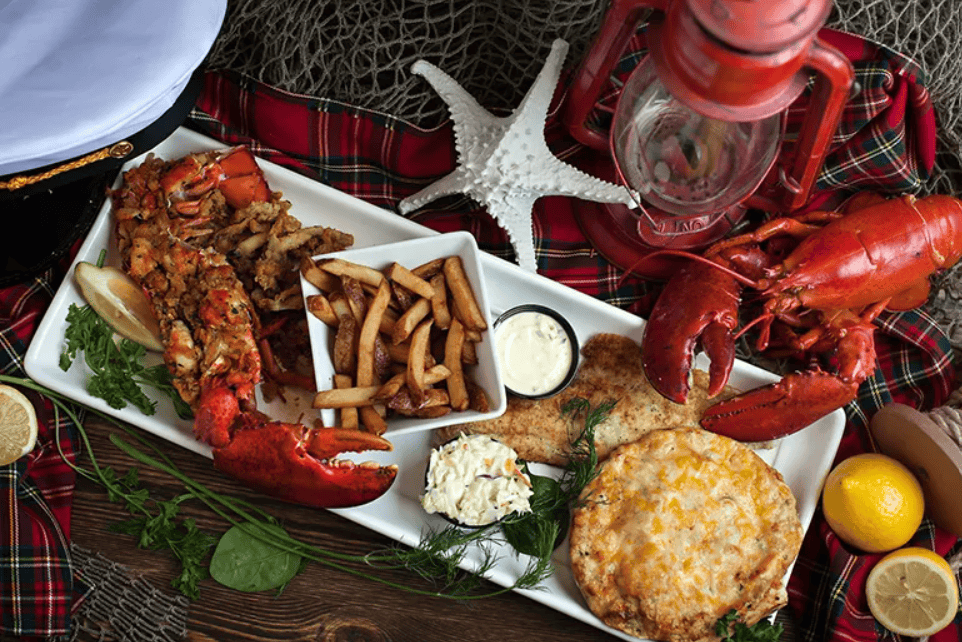
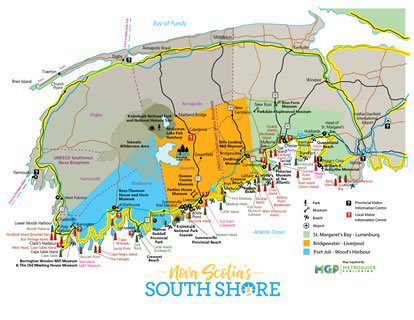
Few places in Canada capture the marriage of landscape and cuisine quite like Nova Scotia’s South Shore. Stretching southwest from Halifax along Highway 103, this ribbon of rugged coastline offers more than breathtaking ocean views and postcard-perfect fishing villages. It is a region where food tells stories—stories of generations of fishermen, family-run bakeries, bustling wharves, local farms, cookbook authors preserving Maritime traditions, and chefs transforming the day’s catch into memorable meals.
Here, every harbour has its own personality. Every café has regulars who linger over coffee. Every lobster pound has its preferred method of cooking. The South Shore invites visitors to slow down, wander, and discover that the region’s greatest attraction isn’t simply the Atlantic Ocean—it’s the people whose lives revolve around it.
Whether you’re searching for freshly landed lobster, artisan spirits, warm blueberry desserts, or the perfect bowl of chowder, this culinary road trip offers a delicious introduction to one of Canada’s most rewarding destinations.
Peggy’s Cove: Canada’s Iconic Coastal Welcome
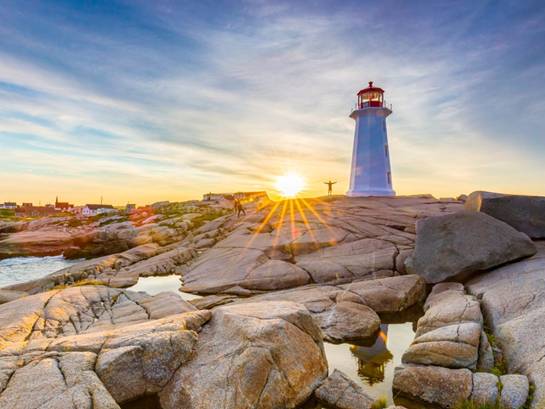
No journey along Nova Scotia’s South Shore is complete without beginning at Peggy’s Cove. The approach feels almost cinematic. Granite boulders, polished smooth by retreating glaciers thousands of years ago, roll toward the sea like giant sculptures. Small weathered homes perch confidently atop the rock, painted in cheerful reds, blues, yellows, and whites that seem to defy the powerful Atlantic winds.
For many first-time visitors, the village evokes comparisons with Newfoundland’s famous outports. Fishing sheds and homes cling to the shoreline, while lobster boats gently rise and fall with the tide. Despite welcoming hundreds of thousands of visitors each year, Peggy’s Cove has retained the quiet charm of a working fishing community.
The unmistakable star of the village is, of course, Peggy’s Point Lighthouse. Standing proudly since 1915, it has become one of Canada’s most photographed landmarks. Surrounded by vast granite outcrops that invite careful exploration, the lighthouse represents far more than an iconic photograph. It symbolizes centuries of maritime history and the communities that have depended upon these waters for their livelihood.
An interpretive centre explains the importance of Nova Scotia’s extensive network of lighthouses, while the gift shop, café, and restaurant encourage visitors to linger a little longer. Watching waves crash dramatically against the rocks while enjoying a warm coffee provides an unforgettable welcome to the South Shore.
Yet Peggy’s Cove offers another introduction to the region—its food.
The culinary traditions of Nova Scotia have always reflected the sea. Lobster, scallops, mussels, haddock, oysters, and clams remain staples of local kitchens, complemented by wild blueberries, maple syrup, apples, and generations of recipes passed down through Maritime families.
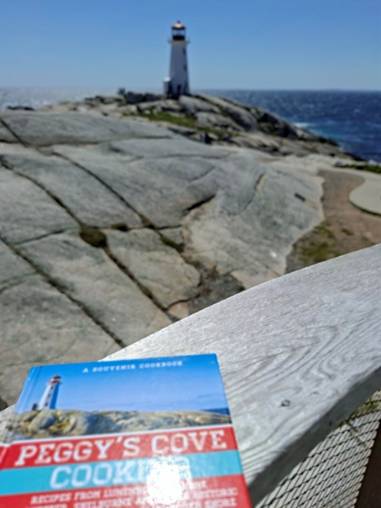
One delightful keepsake that captures these traditions is Peggy’s Cove Cooking, a collection of recipes celebrating communities throughout the South Shore, including Lunenburg, Mahone Bay, Chester, and Shelburne. Rather than elaborate restaurant cuisine, the cookbook celebrates comforting dishes that have sustained coastal families for generations: perfectly boiled lobster, creamy clam chowder, hearty Jiggs Dinner, and classic Blueberry Grunt—the beloved Maritime dessert where sweet biscuit dough steams atop bubbling blueberries. Try the Maritime Seafood Chowder in our Recipe section.
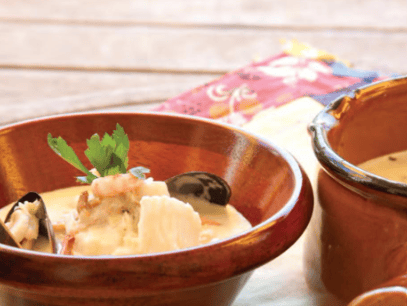
The cookbook serves as a reminder that Nova Scotia’s culinary identity is rooted not in complexity but in exceptional ingredients and timeless traditions. Check it out in our Book Review section.
Hubbards: Relaxed Coastal Living
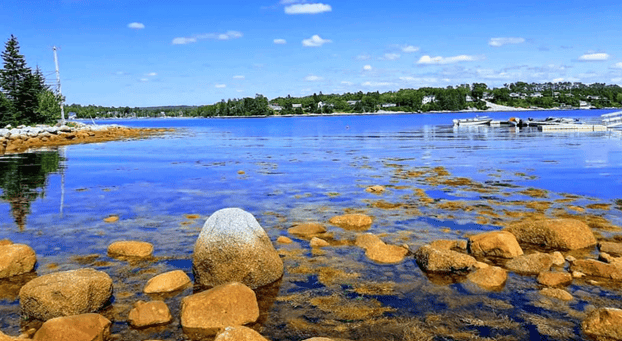
Only a short drive from Peggy’s Cove lies Hubbards, a community that perfectly captures the relaxed rhythm of South Shore life. Nestled along St. Margaret’s Bay, Hubbards feels refreshingly unhurried. Sailboats glide through protected waters while white sand beaches stretch along the coastline, attracting swimmers, kayakers, and families throughout the summer months.
Although only thirty minutes from Halifax, Hubbards feels wonderfully removed from city life.
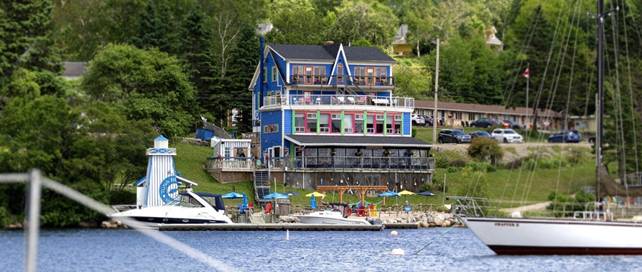
The waterfront is where much of the community comes alive, and few places embody its spirit better than Tuna Blue Inn & Restaurant (167 Shore Club Rd). Perched directly above Hubbards Cove, Tuna Blue offers one of the finest waterfront dining experiences on the South Shore. Its marina welcomes visiting sailors, while outdoor patios, a lively beer garden, and a lobster feast pergola create an atmosphere that encourages guests to settle in for an afternoon.
The owners envisioned recreating the feeling they experienced while sailing from harbour to harbour—finding that perfect dock where excellent food, welcoming people, and spectacular scenery come together. It is an idea they have realized beautifully.
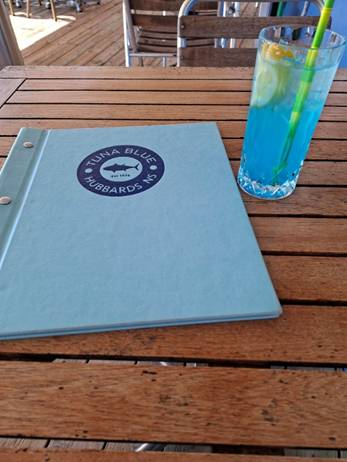
During my visit, I chose the Beet and Goat Cheese Salad, a colourful combination of earthy roasted beets, creamy cheese, crisp greens, and local ingredients paired with a refreshing blue vodka lemonade. The meal reflected the growing sophistication of Nova Scotia’s dining scene, where chefs honour local products without unnecessary fuss.
For travellers wishing to extend their stay, beautifully appointed guest suites overlook the harbour, allowing visitors to wake to the gentle sounds of fishing boats preparing for another day at sea.
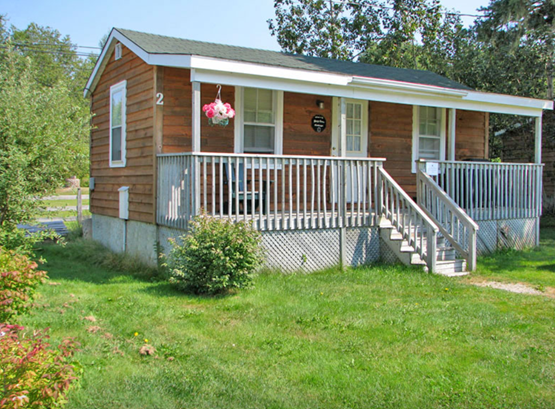
Hospitality continues just down the road at Anchorage House & Cottage (56 Shore Club Rd). Originally built in 1853, the elegant century home overlooks Hubbards Cove while charming cottages scattered across the property provide accommodation for couples, families, and larger groups. Mature trees shade the grounds, while a swimming pool offers welcome relief on warm summer afternoons.
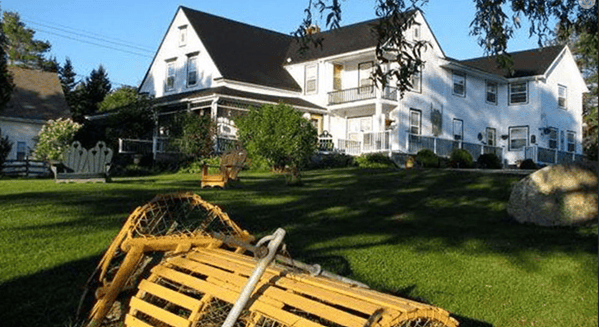
Owners Lee and Kate have created a property that feels more like visiting family than checking into a hotel. Whether hosting weddings, family reunions, or cross-country travelers exploring Atlantic Canada, they ensure every guest experiences the warmth that defines Maritime hospitality.
Hubbards reminds visitors that luxury on the South Shore isn’t measured by extravagance. It is found in harbour sunsets, conversations on shaded verandas, freshly prepared seafood, and the comforting pace of coastal life.
Mahone Bay: Coffee, Community and Sweet Traditions
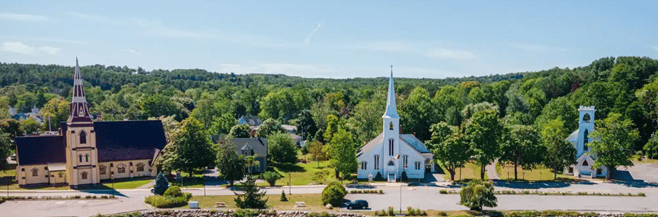
Continuing southwest, the highway eventually reaches one of Nova Scotia’s most photographed communities. Mahone Bay immediately charms visitors with colourful heritage buildings lining its waterfront and the famous Three Churches whose steeples have become an enduring symbol of the town. Boutique shops, art galleries, pottery artisans, and cafés invite leisurely exploration, rewarding those willing to leave the car behind and wander its streets on foot.
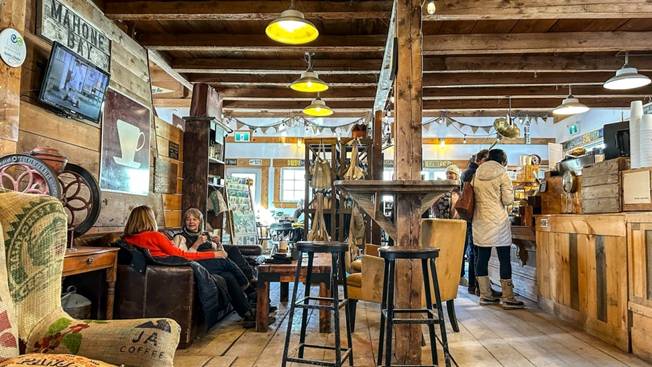
Among these welcoming spaces is The Barn Coffee & Social House (458 Main St). Housed inside a beautifully restored historic barn, the café has become a gathering place for both residents and visitors. Comfortable sofas mingle with harvest tables, vintage décor, and smaller intimate seating areas that encourage conversation over expertly crafted coffee and irresistible baking.
Watching locals greet one another while visitors pause between shopping excursions creates the unmistakable feeling that this is more than simply a café—it is part of the community’s living room.
Grandma’s Cookies, Cakes, Pies & Sweets

It also proved the perfect meeting place to spend time with author Alice Burdick. Known throughout Atlantic Canada for preserving traditional East Coast recipes, Alice has authored several successful cookbooks celebrating Maritime baking, preserves, and holiday cooking. Over coffee and freshly baked muffins, our conversation drifted naturally toward the enduring role desserts play in Maritime family gatherings.
Her cookbook, Grandma’s Cookies, Cakes, Pies & Sweets, celebrates recipes that have survived generations of handwritten recipe cards and family kitchens. Maple Walnut Cake (in our Recipe section), fruit pies, old-fashioned cookies, and comforting desserts reflect an era when baking represented both necessity and hospitality. Win a signed copy of her book in the Giveaway tab.
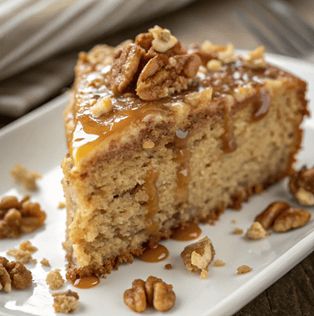
These recipes remain every bit as relevant today because they capture something larger than ingredients. They preserve memories. Throughout the South Shore, cookbook authors such as Burdick have become quiet custodians of regional culture. Their work ensures that traditional recipes continue finding their way onto modern tables, connecting new generations with the flavours that have long defined Nova Scotia.
Mahone Bay demonstrates that culinary travel isn’t limited to fine dining. Sometimes the richest experiences are found over coffee, homemade baking, and conversations with the people committed to preserving a community’s food heritage.
As the afternoon sun casts long reflections across the harbour, it becomes clear that the South Shore isn’t simply a collection of picturesque villages. It is a region where every stop offers another story, another recipe, and another invitation to stay just a little longer.
Lunenburg: Seaside Playground
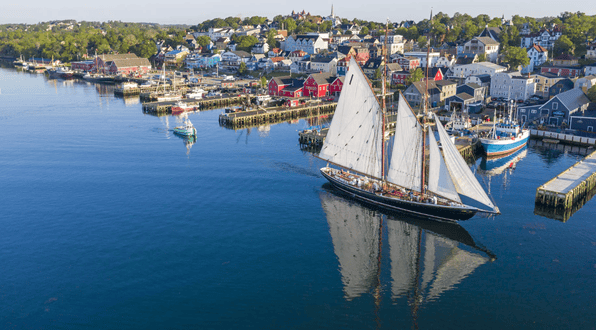
Leaving Mahone Bay, Highway 3 continues to hug the coastline toward one of Canada’s most celebrated historic communities. Long before the colourful waterfront comes into view, fishing boats begin appearing in the harbour, church steeples rise above the rooftops, and visitors quickly understand why Lunenburg has earned recognition as a UNESCO World Heritage Site. Founded in 1753 and remarkably preserved, the town is both a living museum and a thriving fishing port where history remains an everyday part of life.
Walking the waterfront is like stepping through the pages of Canada’s maritime story. Brightly painted wooden buildings line the harbour, fishing vessels unload their catches, and seafood restaurants fill the air with the unmistakable aroma of fresh haddock, scallops, chowder, and lobster. Yet beneath its postcard beauty lies a community that continues to earn its living from the sea.
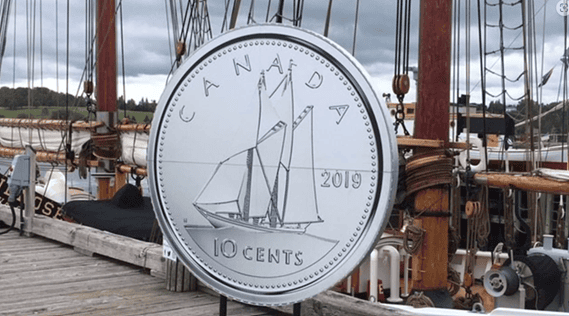
As I sat on the pier watching the crew of the Bluenose II prepare for another sail, I found myself unexpectedly moved. The synchronized rhythm of the sailors, the creak of rigging, and the graceful lines of the famous schooner reminded me that this was more than a tourist attraction. The Bluenose has become one of Canada’s most enduring symbols, immortalized on the Canadian ten-cent coin and celebrated around the world as a masterpiece of shipbuilding and seamanship.
The original Bluenose dominated the International Fishermen’s Trophy races throughout the 1920s and 1930s before meeting an unfortunate end off the coast of Haiti in 1946. The faithful replica, launched in 1963, continues to sail from her home port of Lunenburg, carrying forward the remarkable legacy of Nova Scotia’s fishing industry.
Visitors who plan ahead can step aboard for harbour cruises or, for a truly unforgettable experience, volunteer as a deckhand for the day. Few travel experiences offer such a direct connection to Canada’s maritime heritage.
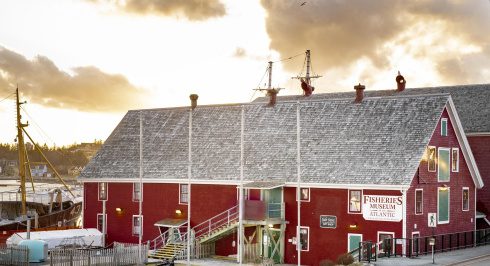
The relationship between Lunenburg and the sea is explored in even greater depth at the Fisheries Museum of the Atlantic (68 Bluenose Dr). Housed in former waterfront buildings, the museum tells the story of generations of fishermen whose livelihoods shaped not only Nova Scotia but much of Atlantic Canada’s economy and culture.
Interactive exhibits explain how fish travel from ocean to plate while documenting the evolution of fishing technology, the dangers of life at sea, and the resilience of coastal communities. Historic vessels, working exhibits, and stories of dramatic rescues bring the industry’s history vividly to life. One particularly fascinating display allows visitors to track marine wildlife, including sea turtles and sharks, while another maps the astonishing number of shipwrecks that have occurred along Nova Scotia’s unforgiving coastline.
After immersing yourself in the history of the fishery, it seems only fitting to enjoy the fruits of that industry. Located within the museum, the Old Fish Factory Restaurant serves locally harvested seafood with panoramic harbour views, offering diners an immediate connection between what they have learned and what appears on their plates.
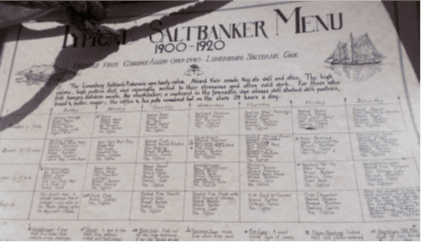
Food and history are inseparable throughout Lunenburg, and nowhere is this more evident than at Ironworks Distillery (2 Kempt St). Occupying a restored nineteenth-century marine blacksmith shop that once produced fittings for wooden sailing ships, Ironworks blends heritage with innovation. As Nova Scotia’s first micro-distillery, it has earned a reputation for crafting award-winning spirits using local ingredients and traditional techniques.
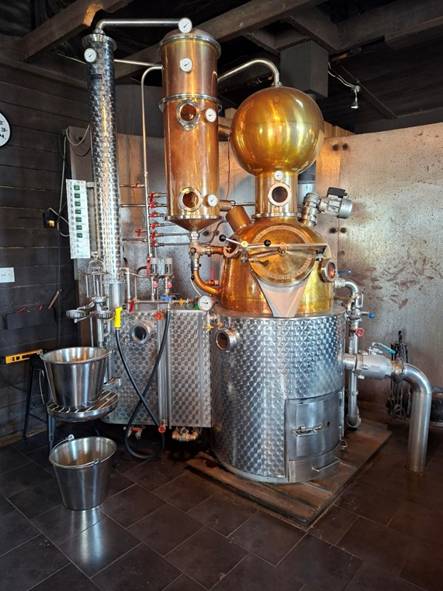
Tours begin with the building’s fascinating industrial history before leading visitors through the production process. Copper stills quietly transform Nova Scotia apples, berries, grains, and molasses into vodka, gin, whisky, rum, brandy, and a remarkable selection of fruit liqueurs. Tastings reveal the distinctive character of each spirit while highlighting the province’s abundant agricultural resources.
It’s easy to spend an afternoon discovering the subtle flavours that define the region, particularly when every bottle reflects both craftsmanship and place.

Across the harbour, another gathering place offers a more casual celebration of local beverages.
Lightship Brewery (93 Tannery Rd) has quickly become one of Lunenburg‘s favourite social spaces. Set beside the water, the outdoor brewery combines relaxed seating with sweeping views of the harbour. Food from neighbouring vendors complements an impressive menu of craft beer, cider, and seasonal specialties, encouraging visitors to linger over long conversations as sailboats drift past.
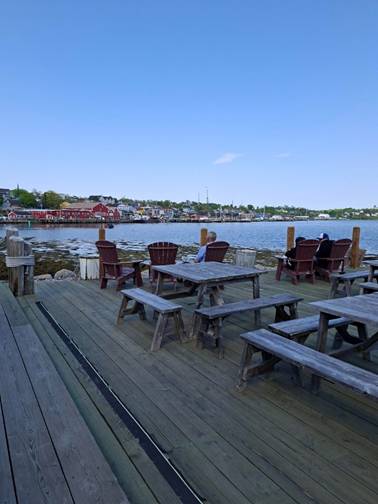
On a warm afternoon, I sampled a refreshing peach cider that perfectly suited the coastal setting. Crisp, lightly sweet, and wonderfully refreshing, it seemed almost designed for sipping while watching the rhythm of the harbour unfold.
It also provided the ideal setting to meet food writer Elizabeth Bailey. An enthusiastic advocate for Nova Scotia’s farmers, gardeners, and food producers, Bailey has spent much of her career documenting the remarkable diversity of Maritime ingredients. Her cookbook, The Lunenburg Farmers’ Market Cookbook, celebrates the relationships between growers, artisans, fishermen, and home cooks that have helped define the region’s contemporary food culture. Win a signed copy of her book in our Giveaway section.
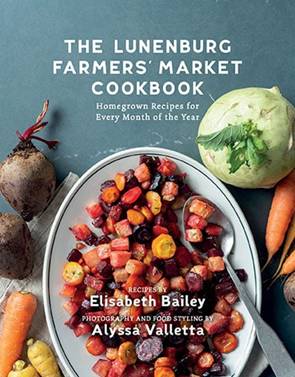
Our conversation quickly revealed her passion for seasonal cooking. Rather than relying on imported ingredients, Bailey encourages readers to embrace the bounty available throughout the Maritimes—from mushrooms gathered in local forests and vegetables harvested from nearby farms to seafood landed only hours before dinner.
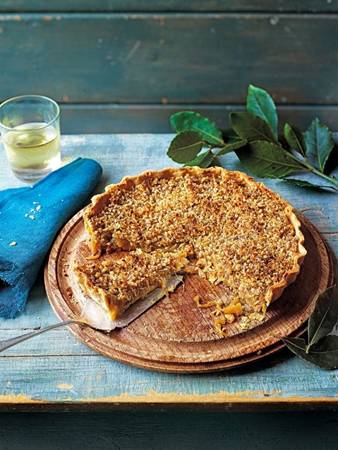
Her Mushroom and Caramelized Onion Pie perfectly captures this philosophy. You can find it in our Recipe section. Simple ingredients, thoughtfully prepared, become something memorable. It is an approach that echoes throughout Nova Scotia’s culinary scene, where freshness and locality consistently take center stage.
The South Shore‘s food story extends well beyond restaurants and markets. Sometimes its most compelling chapters are found in unexpected places.
Hirtle’s Beach Spectacular Coastline
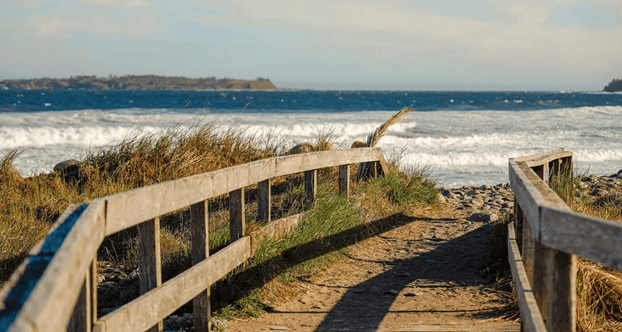
Just a short drive from Lunenburg lies Hirtle’s Beach (318 Hirtle Beach Rd, Kingsburg), one of Nova Scotia’s most spectacular stretches of coastline. Framed by rolling surf, dramatic dunes, and the famous Gaff Point hiking trail, the beach possesses an untamed beauty that makes it easy to understand why generations have been drawn here.
Yet Hirtle’s Beach is remembered for more than its scenery. It was once home to the legendary Gladee’s Canteen. Today, only memories remain, but for decades this humble seaside establishment earned a reputation that far exceeded its modest appearance. Several times voted among Canada’s finest restaurants, Gladee’s Canteen became a symbol of Maritime hospitality.
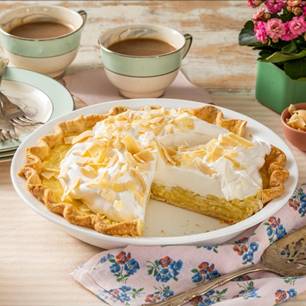
At the heart of its success were sisters Gladee and Flossie Hirtle, supported by an extended family whose warmth became every bit as memorable as the food they served. Against the backdrop of pounding surf and Atlantic winds, visitors enjoyed fresh seafood, homemade pies, and generous hospitality in surroundings that were refreshingly unpretentious. Gladee’s Coconut Cream Pie can be found in our Recipe section.
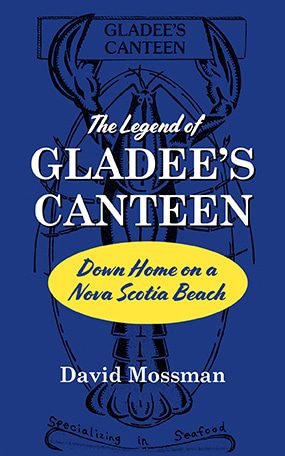
The story, chronicled in The Legend of Gladee’s Canteen, illustrates how determination, family, and community transformed a simple roadside restaurant into a cultural icon. Like so much of Nova Scotia’s culinary heritage, its legacy rests not on luxury but on authenticity. Read more about it in our Canadians + Food section.
LaHave: A Determined Community
Continuing west, the road reaches another destination where food and history intersect beautifully.
Crossing the LaHave River aboard the small cable ferry is an experience in itself. The short crossing slows the pace of travel and offers wonderful views back toward the river before delivering visitors to one of the South Shore‘s most beloved culinary landmarks.
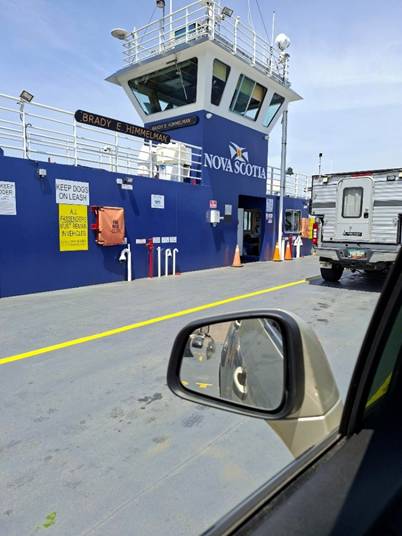
LaHave Bakery (3421 Hwy 331) is far more than a neighbourhood bakery.
Housed within a beautifully restored historic building overlooking the river, it has evolved into a community gathering place that combines artisan baking, a full-service restaurant, bookstore, gift shop, local crafts, and even a workshop for handcrafted skateboards.
The scent of freshly baked bread greets visitors long before they reach the counter. Rustic sourdough loaves cool beside buttery croissants, flaky pastries, fruit tarts, and hearty sandwiches prepared with ingredients sourced from surrounding farms whenever possible.
It is impossible not to linger.
Locals arrive for their daily bread while travellers settle into the café with coffee and soup before browsing the adjoining bookstore. The building itself reflects the community’s commitment to preserving its heritage while embracing contemporary creativity.
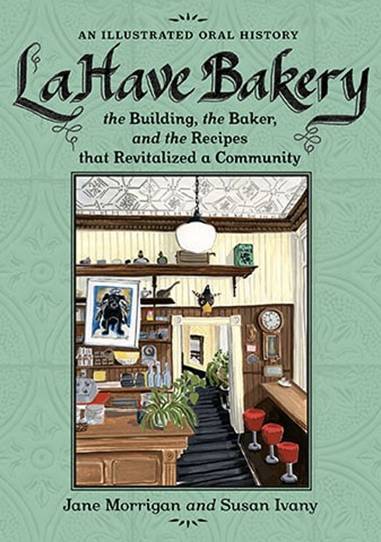
Check out our review of the history of this incredible building and the woman who spearheaded its rejuvenation at LaHave Bakery – Canadian Cookbooks
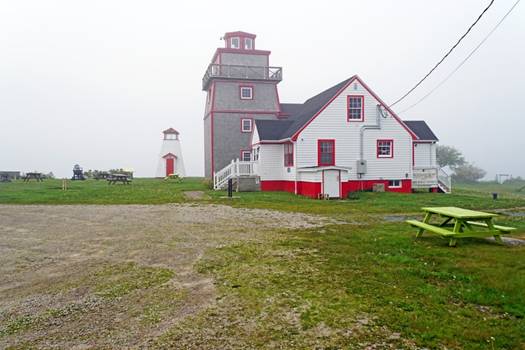
Only minutes away, Fort Point Museum (100 Fort Point Rd) offers another window into Nova Scotia’s remarkable past. Situated at the mouth of the LaHave River, the site marks the location of one of the earliest French settlements in North America and served as the first capital of New France in 1632. Today, the former lighthouse keeper’s residence houses exhibits exploring Acadian history, early settlement, navigation, and the strategic importance of the river.
Outside the museum stands a reconstructed bousillage oven, built using the traditional mixture of clay and grasses employed by French settlers centuries ago. Looking at the rustic oven, it is easy to imagine fresh loaves emerging to feed families who carved lives from this rugged coastline long before modern conveniences arrived.
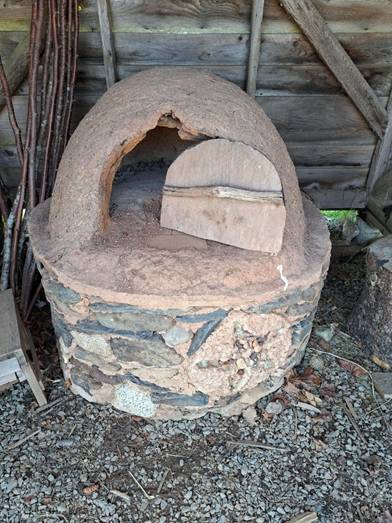
Food has always been central to survival here, and these simple ovens remind visitors that every meal once represented hard work, ingenuity, and community.
Travel Tip: If you want to budget your trip, many motels are now including perks usually reserved for low to medium priced hotels. Check the details carefully and don’t hesitate to reach out to ask questions. Throw away your idea of motels from yesteryear…they are now offering a cheaper place to stay with upgraded amenities (like my much-needed coffee maker for the morning!).
Final Thoughts
As my journey along Nova Scotia’s South Shore drew to a close, one thought remained constant. This is not simply a destination where travelers come to eat. It is a place where history is preserved through recipes, where harbours continue to sustain both livelihoods and traditions, where cookbook authors document family memories before they disappear, and where chefs, bakers, brewers, distillers, and fishermen all contribute to a culinary identity rooted firmly in place.
The South Shore rewards those willing to slow down. Stop at the roadside bakery. Wander the farmers’ market. Share a table with locals over chowder. Sip cider while watching fishing boats return to harbour. Buy the cookbook written by the woman you just met over coffee. Take the ferry, not because it is the fastest route, but because it is part of the experience.
Every community offers another flavour, another conversation, and another reminder that great culinary travel is never only about food. It is about understanding the people, landscapes, and traditions that bring each meal to life.
For travelers seeking an authentic taste of Atlantic Canada, Nova Scotia’s South Shore delivers in abundance. Here, every harbour has a story, every table offers a warm welcome, and every meal leaves you planning the next visit long before you’ve reached home.
Contents and images used with permission by Nova Scotia Tourism. Nova Scotia Travel & Tourism | Official Guide to Nova Scotia