

After exploring the rugged beauty of Cape Breton, the bustling waterfronts of Halifax and the Eastern Shore, and the picturesque communities of Nova Scotia’s South Shore, our culinary road trip heads west to a region where food is inseparable from history. Here, on the Acadian Shores, recipes are treasured heirlooms, fishing boats still dictate the rhythm of daily life, and every meal reflects centuries of resilience, tradition and hospitality.
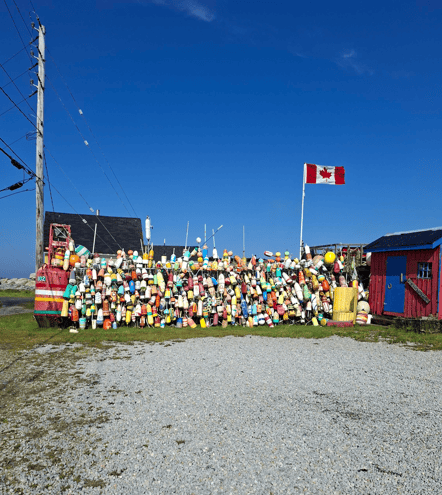
This corner of Nova Scotia rewards travellers willing to venture beyond the well-travelled highways. The pace slows noticeably as winding coastal roads lead through fishing villages decorated with brightly coloured Acadian flags, weathered wharves stacked with lobster traps and family-run restaurants where seafood is often unloaded only hours before it reaches your plate.
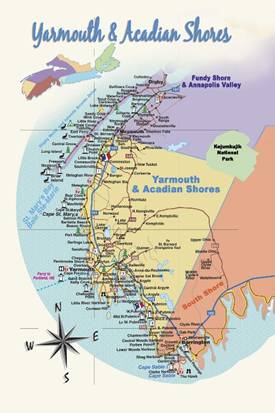
The Acadian Shores stretch from Yarmouth through Clare and beyond, but our journey begins just outside the region, where the transition from Nova Scotia’s South Shore to Acadian country unfolds naturally through historic towns, working waterfronts and unforgettable culinary discoveries.
Liverpool – Maritime History Meets Maritime Flavour
Liverpool has long been shaped by the sea. Once home to privateers and sea captains, the town today welcomes visitors with beautifully preserved heritage buildings overlooking the Mersey River and a relaxed atmosphere that encourages lingering rather than rushing.
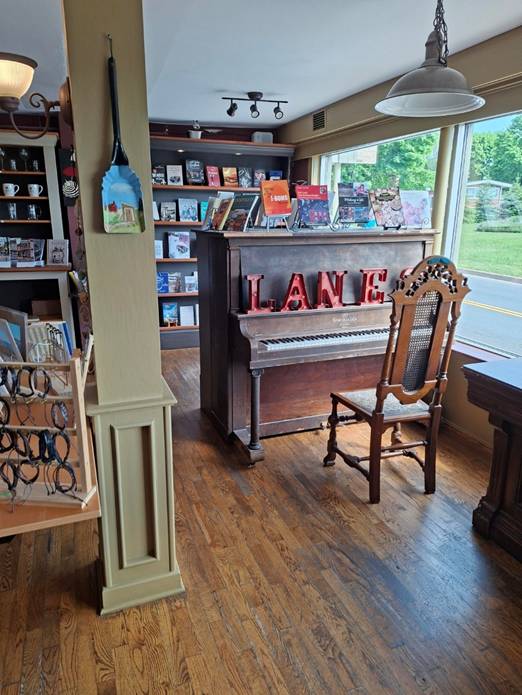
Tucked inside the historic Lane’s Privateer Inn, the Snug Harbour Books & Café (27 Bristol Ave) provides the perfect introduction to western Nova Scotia. Antique furnishings, shelves filled with books and the aroma of freshly brewed coffee create a space where breakfast becomes part of the travel experience rather than simply the first meal of the day.
There’s something comforting about sitting beside the river with a warm pastry while watching boats drift quietly past. It’s easy to imagine the generations of sailors and merchants who once called Liverpool home.
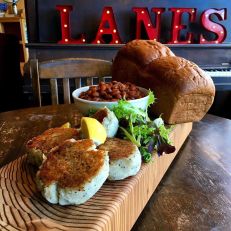
Later in the day, Lane’s Restaurant showcases the region’s culinary strengths with fresh seafood prepared simply enough to allow the quality of the ingredients to shine. Atlantic haddock, scallops and lobster appear regularly on the menu, while Acadian influences subtly weave their way through traditional Maritime favourites.
After dinner, guests don’t need to travel far. The inn itself dates back to 1798, when it was built by sea captain Joseph Barss Sr., allowing visitors to spend the night immersed in centuries of Nova Scotia history.
Shelburne – Craft Beer and Coastal Character
Continuing west, Shelburne reveals another side of coastal Nova Scotia. Its wide waterfront, colourful homes and peaceful streets create an ideal setting for travellers looking to slow down. Historic buildings line the harbour while local businesses continue traditions that have sustained this community for generations.

One of the most enjoyable culinary stops is Boxing Rock Brewing (218 Water St). What began as a passion project by two chemical engineers has become one of Nova Scotia’s most respected craft breweries. Assistant Manager Carla guided me through a tasting that was far more educational than I expected. Learning to identify appearance, aroma, mouthfeel and finish completely changed how I think about beer. Each sample revealed subtle differences that most casual drinkers overlook.
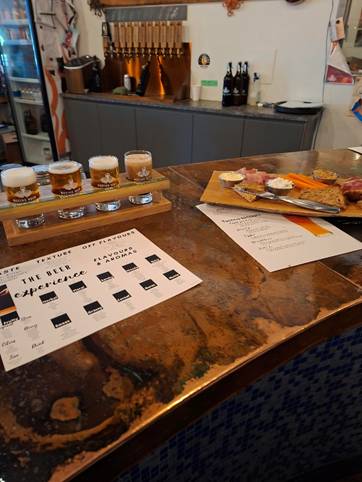
Paired with a beautifully prepared charcuterie board featuring local cheeses and cured meats, the tasting became less about drinking beer and more about appreciating the craftsmanship behind every pint.
Like many Nova Scotia producers, Boxing Rock embraces collaboration. Brewery experiences are often paired with visits to nearby heritage attractions, reinforcing the connection between local history and local flavours.
Birchtown – Stories That Nourish the Soul
Only minutes from Shelburne lies Birchtown, an important chapter in Canadian history.
After reading The Book of Negroes by Lawrence Hill, visiting this community had long been on my wish list. Although the museum happened to be closed during my visit, walking the trails and learning about the Black Loyalists who settled here after the American Revolution was deeply moving.

Food tells stories just as powerfully as books. The Black Loyalists brought agricultural knowledge, cooking traditions and remarkable resilience to Nova Scotia. Their resourcefulness helped shape local foodways, influencing ingredients, preservation techniques and recipes that continue to evolve today.
Sometimes the most meaningful culinary experiences aren’t found at restaurant tables but in understanding the people whose lives shaped the food we enjoy.
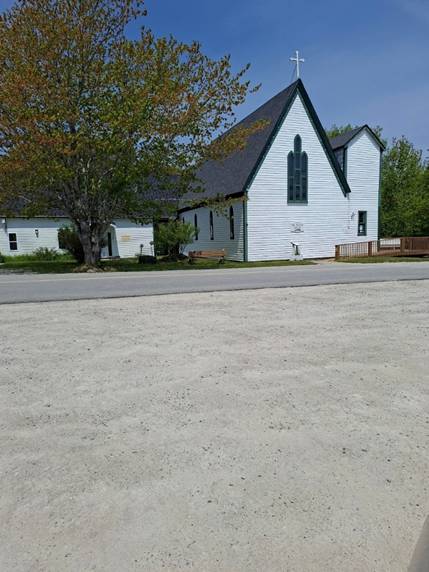
Barrington – Canada’s Lobster Capital
As the road winds farther south, lobster traps begin appearing everywhere. Stacked beside homes. Waiting on wharves. Loaded aboard colourful fishing boats preparing to head out before sunrise. Welcome to Barrington, proudly known as the Lobster Capital of Canada.
Here, lobster isn’t reserved for special occasions—it is woven into everyday life. Generations of fishing families have built their livelihoods harvesting some of the richest lobster grounds in the world, making this one of Canada’s premier seafood destinations.
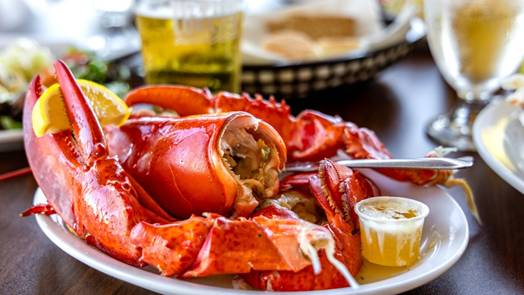
Restaurants throughout the municipality celebrate this extraordinary resource, serving everything from classic boiled lobster to creamy chowders, lobster rolls and elegant seafood pasta. Yet Barrington offers much more than exceptional seafood.
Cape Sable Island, connected by causeway, boasts spectacular white sand beaches, rugged coastal scenery and one of Eastern Canada’s finest birding destinations. Visitors quickly discover that the landscape is every bit as memorable as the cuisine.
Upper Port La Tour – A Surprising Taste of Nova Scotia
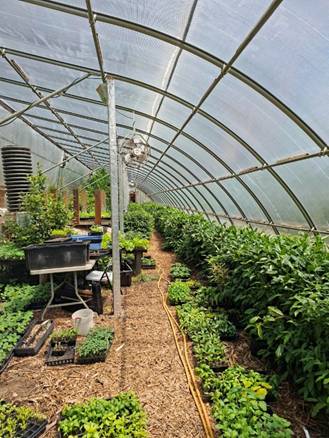
One of the most unexpected culinary discoveries of the trip awaited just outside Barrington. At Coastal Grove Farm in Upper Port La Tour (2367 Port Latour Rd), Matthew and Cynthia are quietly challenging assumptions about what can be grown in Nova Scotia. Their organic farm is one of only a handful in Canada cultivating tea plants commercially. Walking through neatly tended rows of tea bushes while learning about harvesting techniques felt more like visiting rural Japan than coastal Atlantic Canada. The surprises didn’t end there.
The farm also produces saffron, herbs, citrus trees and specialty crops, demonstrating how the area’s unique microclimate creates remarkable growing conditions despite its northern latitude. Equally impressive is the owners’ commitment to sustainability. Every aspect of the operation is designed to minimize environmental impact while producing exceptional products that reflect the surrounding landscape.
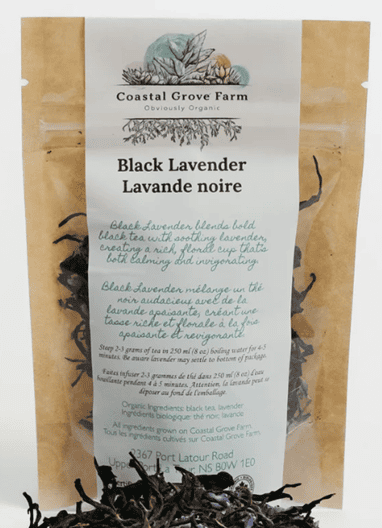
Visitors leave not only with handcrafted tea blends impossible to find elsewhere, but also with a greater appreciation for the innovation quietly flourishing in rural Nova Scotia. The experience serves as a reminder that culinary tourism isn’t solely about restaurants.
Sometimes the most memorable flavours begin in the field.
Leaving Barrington behind, the landscape gradually shifts into the heart of Acadian Nova Scotia. Church steeples rise above fishing villages, brightly coloured Acadian flags flutter from front porches, and generations of families continue traditions that have been passed down for more than 400 years. Here, food isn’t simply something to eat—it’s an expression of culture, community and pride.
Pubnico – Preserving Acadian Traditions
No visit to Acadia is complete without spending time in Pubnico, home to the oldest Acadian settlement still inhabited by descendants of its original founders.
Scattered across the peninsula are villages with familiar names—East, West, Upper, Lower and Middle Pubnico—each sharing a deep connection to the sea while proudly preserving a distinctive Acadian identity.
Life here still revolves around the tides. Fishing boats leave before dawn, returning with lobster, scallops and groundfish destined for nearby restaurants and family kitchens. It’s a rhythm that has changed remarkably little over the centuries.
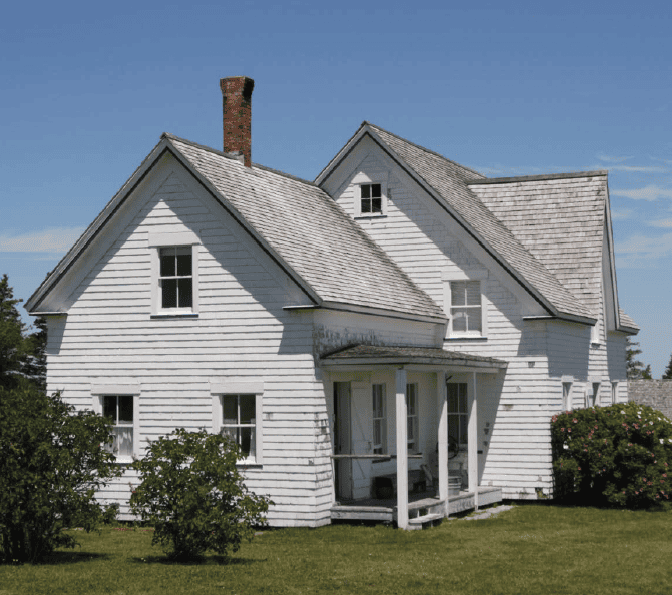
To truly understand Acadian cuisine, begin at Musée des Acadiens des Pubnicos (898 Hwy 335 West Pubnico). Walking through the restored village feels like stepping into the eighteenth century. Costumed interpreters demonstrate the skills early settlers depended upon to survive, from tending gardens and preserving vegetables to baking bread and preparing meals over open hearths.
The kitchen quickly became my favourite stop. Simple tools and cast-iron cookware reveal just how resourceful Acadian families needed to be. Every ingredient had a purpose. Gardens supplied vegetables, herbs and medicinal plants while nearby forests and the Atlantic Ocean produced wild game, shellfish and fish throughout the seasons.

The museum’s growing collection of heritage recipes offers a fascinating glimpse into daily life. Dishes like clam and eel pie, pulled taffy (found in our Recipe section) and vinegar candy may seem unusual today, but they tell the story of a people who wasted nothing and celebrated every harvest.
Museum Director Bernice d’Entremont enthusiastically explained how these recipes were gathered directly from local families before they disappeared from everyday kitchens. Thanks to those efforts, visitors can now take home printed recipes in both English and French, ensuring another generation discovers Acadian culinary traditions.
History, after all, is often best understood around the dinner table.
Dining Like a Local
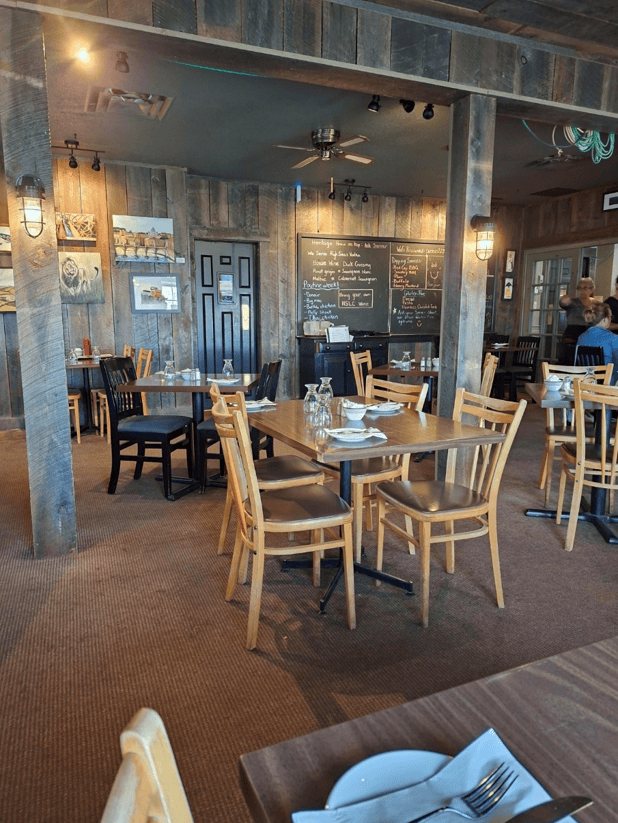
Fortunately, visitors don’t need to recreate those historic recipes to enjoy authentic Acadian flavours. Just down the road, the Red Cap Motel & Restaurant (1034 Rte 335 Middle West Pubnico) has been welcoming hungry travellers for decades.
The menu celebrates local fishermen and farmers, allowing the ingredients to take centre stage. I ordered a seafood and mushroom crêpe finished with an indulgent lobster cream sauce—a dish that perfectly balanced elegance with comfort. Every bite reminded me why Nova Scotia seafood consistently ranks among the world’s finest.
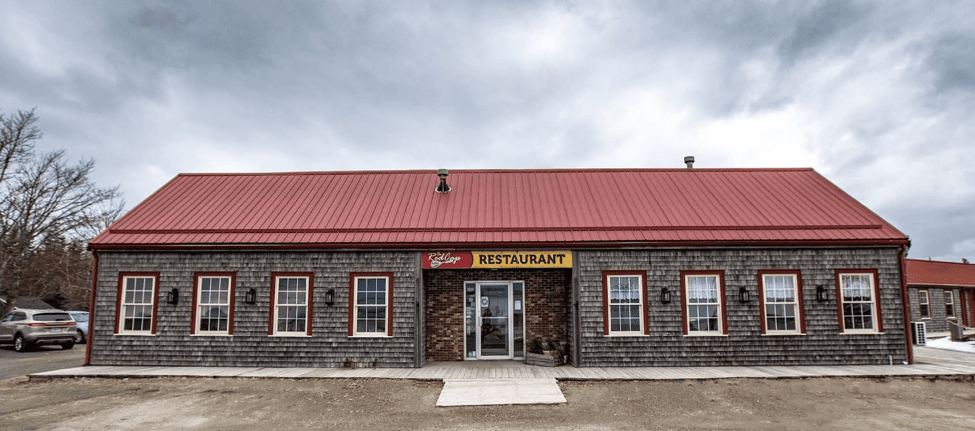
Equally memorable was the hospitality. Owner Trina and her staff embody the warmth for which Acadian communities are famous. Whether staying overnight in the adjoining motel or simply stopping for dinner, every guest is treated like an old friend returning home.
For breakfast, locals pointed me toward Dennis Point Café (214 Dennis Point Rd Middle West Pubnico), perched beside a working wharf where fishing boats unload their daily catch.
Although I arrived before opening, nearly everyone I met insisted I had missed one of the area’s culinary gems. Fresh seafood, hearty breakfasts and panoramic harbour views have earned the café a devoted following. Sometimes recommendations from local residents are every bit as valuable as guidebooks.
Yarmouth – Where the Sea Shapes Every Menu
The drive into Yarmouth reveals one of Nova Scotia’s most vibrant coastal communities. Elegant sea captains’ homes line quiet streets while commercial fishing vessels crowd the bustling waterfront. Maritime history is impossible to ignore, but so too is the unmistakable Acadian influence woven throughout everyday life.
French can still be heard in neighbourhood conversations. Acadian flags decorate homes and businesses. Music spills from community halls during summer festivals. And seafood appears on nearly every menu.
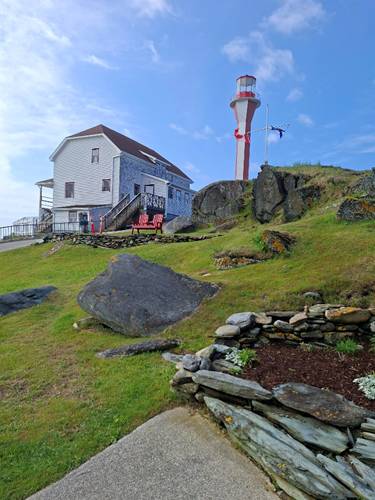
Just beyond town stands one of Nova Scotia’s most photographed landmarks—Cape Forchu Lighthouse (1856 Hwy 304 Cape Forchu). Perched dramatically above crashing surf, the iconic “apple-core” lighthouse rewards visitors with spectacular panoramic views of the Atlantic coastline.
After climbing the tower and exploring the lightkeeper’s residence, few experiences are more satisfying than settling onto the café patio with a bowl of homemade seafood chowder or a freshly prepared sandwich from Blueberry Fields Bakery Café.
Good food somehow tastes even better when accompanied by salt air and endless ocean views.

How many lighthouses are there in Nova Scotia? Of the 185 lighthouses, past and present, you can actually explore sixteen. The remainder can be enjoyed from the comfort of your car or as you stroll the surrounding beaches. See the list at Nova Scotia Lighthouse Preservation Society. Nova Scotia has the largest number of lights of any province in Canada, including Sambro Island, the oldest continuously operating lighthouse in the Americas.
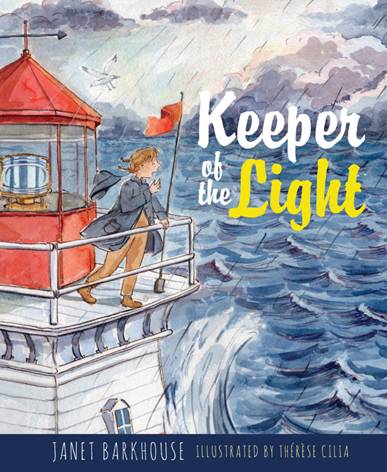
And speaking of lighthouses, do you have a young reader in your family? Check out Keeper of the Light in our Canadians + Food section. An inspiring tale of a girl and her lighthouse responsibilities. Sara makes oatmeal for breakfast so we thought you’d like to try Canadian Living’s Nova Scotia Oatmeal Buns in our Recipe section.

Clare – The Heart of Acadian Culture
Travelling north along St. Mary’s Bay brings you into the Municipality of Clare, the cultural heart of Acadian Nova Scotia. More than three-quarters of residents speak both French and English, preserving a vibrant bilingual culture unlike anywhere else in the province.

Dominating the skyline is Église Sainte-Marie, the largest wooden church in North America. Its soaring architecture reflects both the determination and faith of generations who built thriving communities despite enormous hardships.
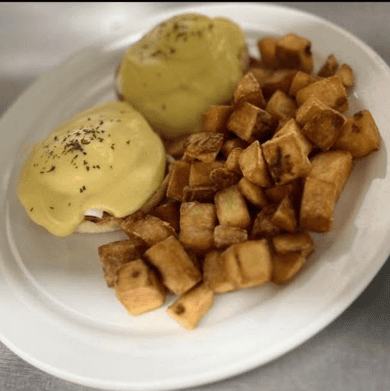
Nearby Saulnierville offers another culinary highlight. Locals repeatedly insisted that La Cuisine Robicheau (9651 Hwy 1) served the region’s finest creamed lobster. Unfortunately, arriving before lunch meant that signature dish wasn’t yet available. Instead, I happily settled for Eggs Benedict generously topped with rich lobster sauce. It proved to be an inspired compromise.
Overlooking the calm waters of St. Mary’s Bay, breakfast became one of the trip’s most memorable meals. During summer evenings, the restaurant hosts lively kitchen parties featuring local musicians—a reminder that in Acadian culture, food and music have always belonged together.
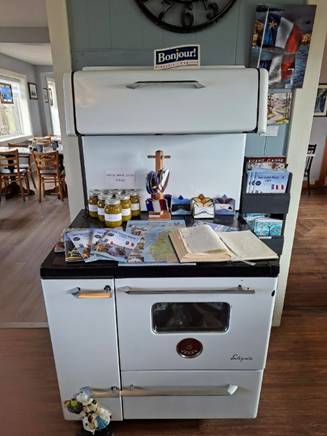
Before leaving, don’t forget to purchase a jar of their famous Chow Chow. The sweet-and-tangy relish has long been a staple in Maritime kitchens, accompanying everything from fish cakes to roasted meats. Every family seems to guard its own version of the recipe, making each jar a small taste of local tradition.
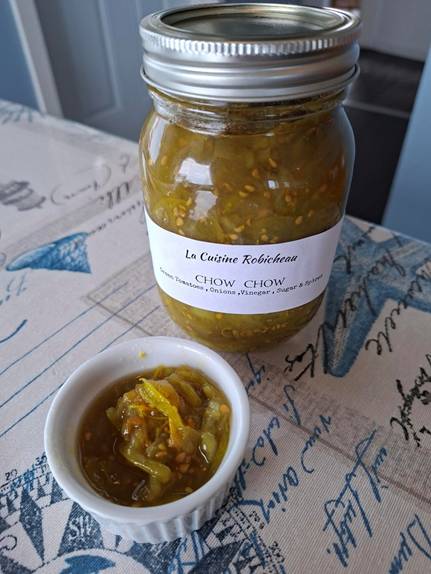
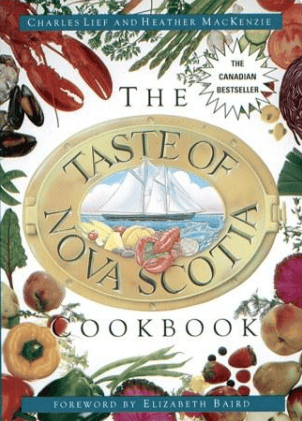
Speaking of Chow Chow, make some in our Recipe section, generously provided by The Taste of Nova Scotia. We first explored this book at The Taste of Nova Scotia – Canadian Cookbooks and now you can win a copy in our Giveaway section. The best crowd-pleasing recipes from popular inns, restaurants, and home kitchens all around Nova Scotia are collected in this unique cookbook. Drawing on the many heritages that make up the province, from Scottish, Acadian, and Mi’kmaq to Italian, Irish, and German, this cookbook truly reveals the taste of Nova Scotia.
Annapolis Royal – Where My Story Meets Nova Scotia’s
As our journey turns inland toward Annapolis Royal, the landscape changes once again. Fishing villages give way to fertile orchards, rolling farmland and one of Canada’s most historically significant communities.
This stop carried special meaning for me. When my father immigrated to Canada after the Second World War, he arrived in Halifax knowing almost nothing about the country that would become his new home. His first job was working on an apple orchard near Annapolis Royal. He often spoke about the beauty of the Annapolis Valley and the kindness shown by the people who welcomed a young immigrant looking for a fresh start.
Those memories stayed with him for the rest of his life. Forty years later, they inspired him to purchase his own apple orchard in southern Ontario. Standing in the Valley today, it’s easy to understand why.
The orchards stretch across gentle hillsides, producing the apples that have become synonymous with Nova Scotia agriculture. Sometimes a destination becomes meaningful long before you ever visit.
Annapolis Royal was formerly Port-Royal and was once the capital of Nova Scotia. This welcoming waterfront community embraces thousands of years of Mi’kmaw heritage and over 400 years of French, Acadian, Scottish, and British history.
Canada’s Earliest Culinary Society
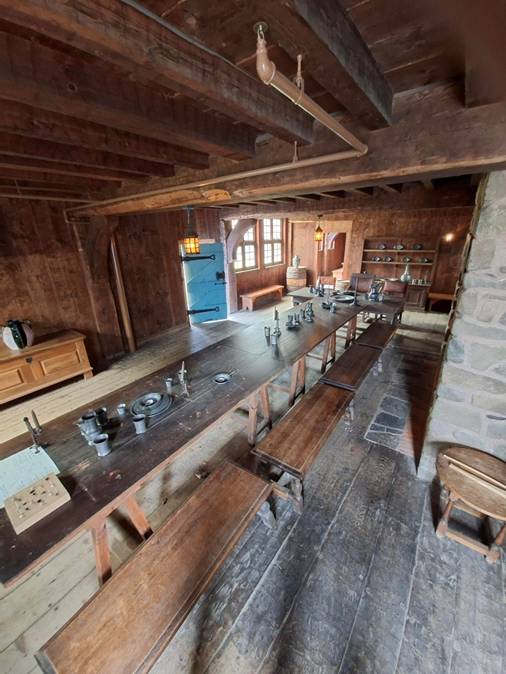
Just outside Annapolis Royal lies Port-Royal National Historic Site, where Canada’s culinary history takes on extraordinary significance. Reconstructed buildings transport visitors to the early 1600s when Samuel de Champlain and his companions established one of the first European settlements in North America.
Long winters tested both morale and survival. To lift spirits, Champlain founded The Order of Good Cheer, organizing elaborate communal feasts where a different member prepared each banquet using whatever could be hunted, caught or grown locally: wild game, fresh fish, shellfish, bread, vegetables, even wine carefully rationed from supply ships. There is a recipe for Boiled Moose Nose Soup in the archives along with Beaver Tail (sauté the beaver tail, peel off the skin and serve the fatty meat as a delicacy).

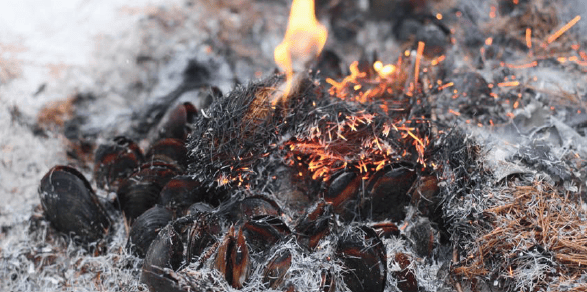
The gatherings strengthened friendships while reminding settlers that sharing food could nourish both body and spirit. One memorable dish believed to have been served was Éclade de Moules—fresh mussels covered with pine needles and ignited over an open fire. Simple, dramatic, delicious…it perfectly captures Nova Scotia’s enduring relationship with the sea.
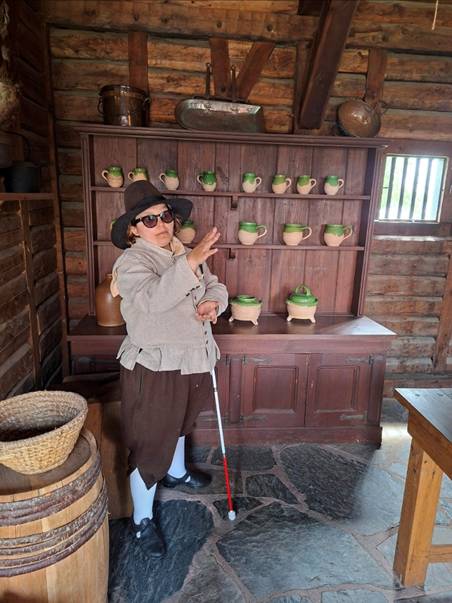
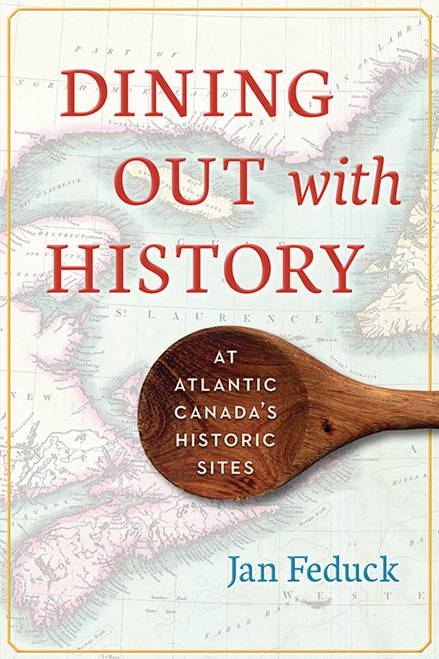
Thanks to “Jacques LeRoux” (Brenda) for their insights and tales of this time period. For more interesting stories about the settlement, check out Dining Out with History. Win a copy of the book in our Giveaway section.
To learn how to cook mussels in the wild, see our Recipe section for an early settler inspired Éclade De Moule. Scoop up some fresh mussels, forage for pine needles and light a campfire!
Middleton – A Sweet Finish
As the road winds toward Middleton, apple orchards once again dominate the landscape. The Annapolis Valley is often called Nova Scotia’s orchard, producing some of Canada’s finest apples along with berries, vegetables and cider.
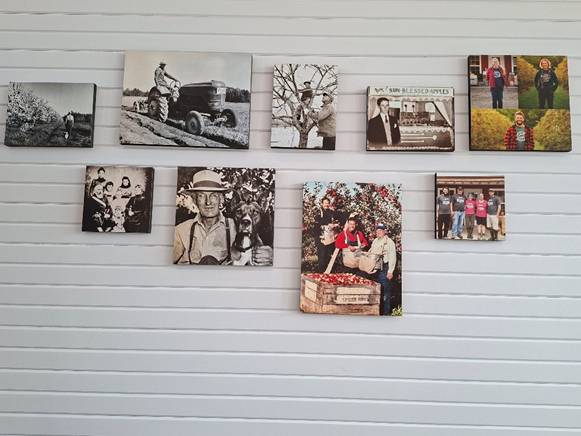
A visit to Spurr Brothers Farm (14145 Evangeline Lane, Wilmot)demonstrates how tradition continues to evolve. Farming the same land for more than five generations, the family has embraced cider-making with remarkable success.
Sampling their crisp peach-apple cider while overlooking rows of fruit trees offered a fitting conclusion to this culinary adventure. Even their famous fresh donuts struggled to compete with the exceptional ciders.
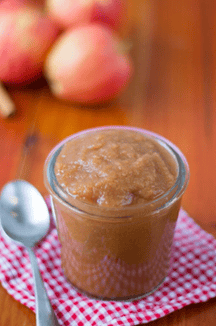
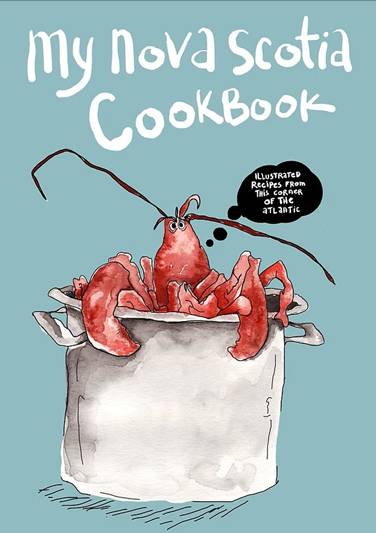
If you had to pick one fruit that symbolizes Nova Scotia, it would be the apple. With picking season soon to start, we thought you’d like to make your own applesauce in our Recipe section. Check out artist and cookbook author, Chanelle Jefferson in My Nova Scotia Cookbook found in the Book Review tab. See her other books and beautiful artwork at Original Artwork | Chanelle Jefferson
Travel Tip: Looking for unique accommodation options? How about a Geodome? Yurt? Wilderness cabin? The variety of where to spend your evenings and have a good night’s sleep is not limited to the traditional hotel/motel. Places to Stay in Nova Scotia | Hotels, B&Bs, Resorts & Cottages I particularly like the many historical homes that are boutique inns or bed & breakfast accommodations.
A Region to Savour
Acadia is more than a destination. It is an invitation to slow down. To linger over breakfast while fishing boats return to harbour. To listen as museum interpreters preserve recipes handed down through generations. To share stories over lobster fresh from the Atlantic, cider pressed from Valley orchards or tea cultivated against all expectations on a coastal farm.
Every community we visited revealed another layer of Nova Scotia’s culinary identity. The history of the Black Loyalists in Birchtown. The proud Acadian traditions of Pubnico and Clare. The hardworking lobster fishers of Barrington. The orchards that welcomed my father to Canada.
Each experience reminded me that memorable travel isn’t measured by the number of attractions visited, but by the people met around the table.
As our six-week culinary tour of Nova Scotia continues, Acadia leaves an indelible impression—not because of elaborate restaurants or celebrity chefs, but because authenticity remains its greatest ingredient. Here, recipes are still family heirlooms, hospitality is offered without pretence, and every meal tells the story of the people who call this remarkable coastline home.
If you arrive hungry, you’ll certainly leave satisfied. But more importantly, you’ll leave with a deeper appreciation for a region where history, culture and cuisine are served together—one unforgettable plate at a time.
Content and images used with permission by Nova Scotia Tourism. Nova Scotia Travel & Tourism | Official Guide to Nova Scotia