

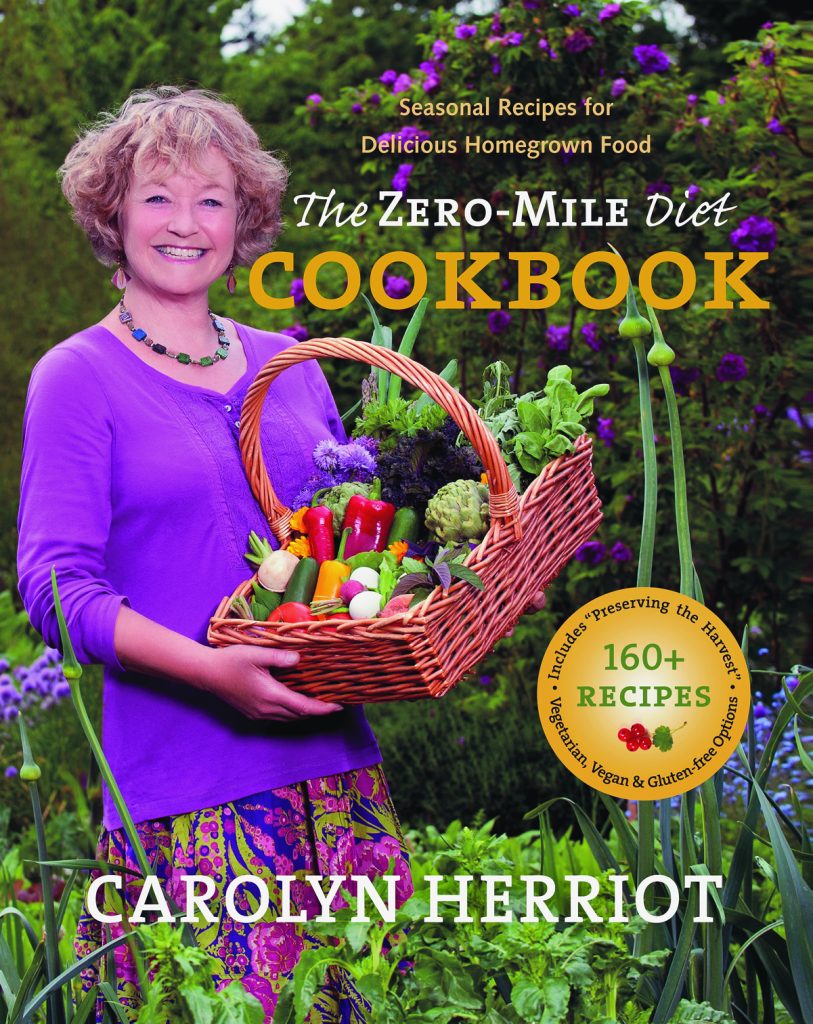
Carolyn Herriot’s The Zero-Mile Diet Cookbook is less a conventional cookbook and more a quiet manifesto—one that invites readers to rethink not just what they eat, but how closely their meals are rooted in the soil beneath their feet.
Building on the philosophy introduced in her guide, The Zero-Mile Diet, Herriot’s cookbook translates theory into practice. As highlighted in our companion feature of her guide, the zero-mile approach is about growing and sourcing food as close to home as possible, minimizing environmental impact while maximizing freshness and nutritional value. This cookbook is where that ethos becomes edible.
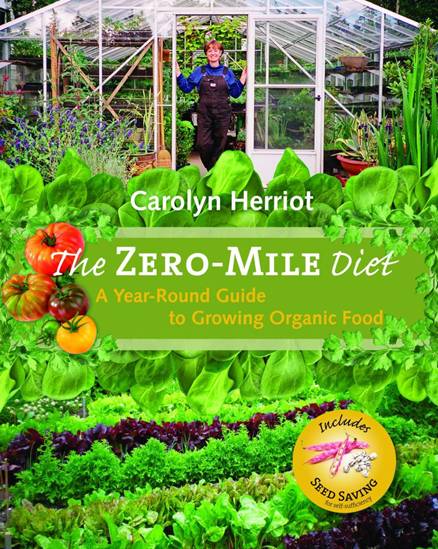
At its core, the book celebrates simplicity. Herriot’s recipes are intentionally unfussy—vegetarian dishes designed to let garden-grown ingredients shine without overcomplication. Think fennel and chard baked into a rustic pie, herb-bright tabouleh, or small-batch preserves that capture summer in a jar. These are recipes that feel lived-in rather than stylized, grounded in the rhythms of seasonal harvesting rather than restaurant plating. A salad that we all love and have our favourite presentation is the Spinach Salad. You can find Herriot’s version in our Recipe section.

Herriot perfectly integrates kitchen and garden. She doesn’t assume you’re a master gardener, but gently nudges you in that direction. The recipes are interwoven with practical knowledge—how to use what’s in season, how to adapt to what’s thriving in your backyard (or balcony), and crucially, how to preserve abundance. A substantial section on drying, fermenting, canning, and freezing ensures that “zero-mile” eating isn’t limited to summer’s peak but becomes a year-round practice.
There’s also a distinct West Coast Canadian sensibility running through the book. Herriot, based on Vancouver Island, writes from experience—someone who has spent decades cultivating organic food and advocating for local eating. That authenticity translates into recipes that feel both practical and principled. This isn’t aspirational farm-to-table dining; it’s everyday sustainability, made accessible.
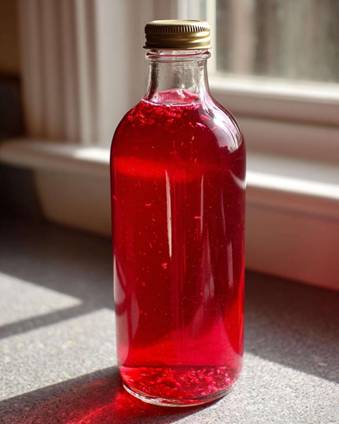
From a foodie perspective, the appeal lies in the purity of flavour. Because the recipes rely on ultra-fresh ingredients, they reward care over complexity. A simple salad becomes vibrant when the greens are just-picked; a homemade cordial tastes richer when the berries are sun-ripened. Herriot’s cooking reminds us that great food doesn’t always come from technique—it often comes from proximity.
If there’s a limitation, it’s that the book assumes a certain level of access to fresh, local produce—or the willingness to grow your own. For urban readers without that connection, some recipes may feel more aspirational than practical. However, even then, the philosophy holds value: sourcing locally, shopping seasonally, and reducing reliance on industrial food systems are achievable steps for most cooks.
The Zero-Mile Diet Cookbook succeeds because it bridges inspiration and action. Our feature on Herriot’s original guide underscores the vision; this cookbook delivers the daily practice. Together, they form a compelling argument for eating closer to home—not as a trend, but as a lifestyle that is healthier, more sustainable, and deeply satisfying. You can purchase both books at Carolyn Herriot – Harbour Publishing or win the cookbook in our Giveaway section.
For readers willing to get their hands a little dirty—whether in the garden or the kitchen—this book offers something increasingly rare: a way of cooking that feels both grounded and transformative.
Contents and images used with permission by Harbour Publishing.