

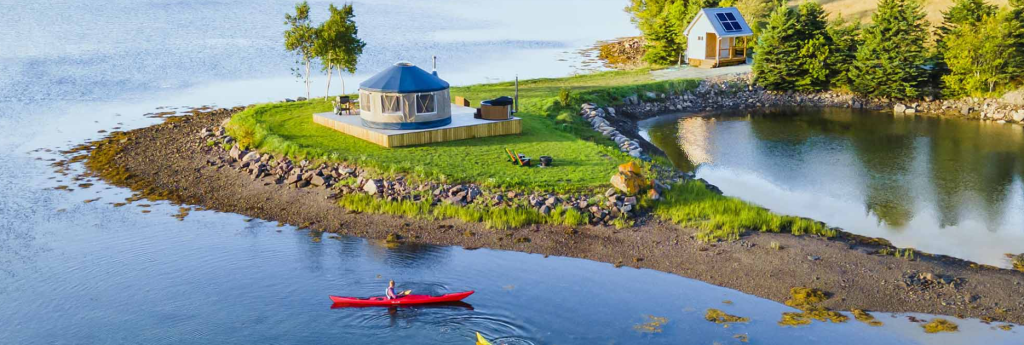
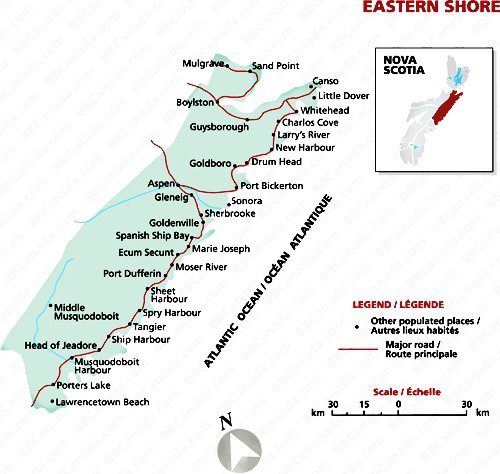
There are destinations you visit for the scenery, and there are destinations you visit for the food. Nova Scotia offers the rare opportunity to indulge in both at every turn. Along the province’s Eastern Shore and into the vibrant city of Halifax, travelers are rewarded with dramatic Atlantic coastlines, charming fishing communities, historic landmarks, and a culinary culture deeply rooted in the land and sea.
On a recent journey through this captivating region, I discovered that Nova Scotia’s food story is much more than lobster and seafood chowder. It is a tale of immigrant families building farms from the ground up, chefs preserving culinary traditions while embracing innovation, brewers crafting distinctive beverages inspired by their coastal surroundings, and communities celebrating their heritage through food.
Last week, our travels ended at the base of Cape Breton Island. This week, we continue southwest along the Eastern Shore, where winding coastal roads reveal hidden culinary treasures and unforgettable encounters with the people who are redefining Nova Scotia’s food landscape.
Lindsay Lake Bison Farm: A Taste of the Wild in Musquodoboit Valley
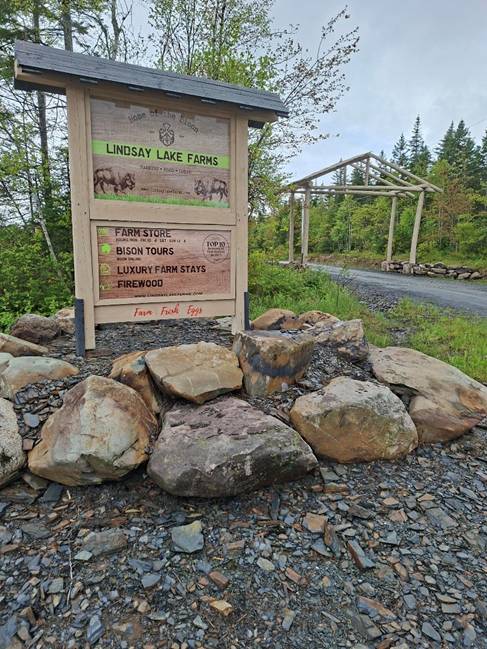
Nestled in the picturesque Musquodoboit Valley, the Lindsay Lake Bison Farm (211 Lindsay Lake Road, Lindsay Lake) is one of those places that immediately slows your pace and invites you to appreciate the beauty of rural Nova Scotia. The property unfolds around a stunning lake surrounded by forests and rolling pastures where bison graze peacefully against a backdrop of pristine wilderness.
What began as a bold leap of faith for Christiane and Jan, who immigrated from Germany with their family, has evolved into a thriving agricultural destination. Leaving behind an established deer farming business and the familiarity of home, they embraced the challenge of creating a new life in Nova Scotia.
Today, visitors can experience much more than a traditional farm visit. Guided bison tours provide insight into these magnificent animals and the sustainable farming practices used to raise them. Workshops focused on healing plants and natural wellness reflect the family’s commitment to connecting people with nature. The farm store showcases locally raised meats and artisanal products, offering visitors a direct connection to the land.

For culinary travellers, farms like Lindsay Lake represent an important part of Nova Scotia’s evolving food identity. Increasingly, consumers want to know where their food originates, how it is raised, and who produces it. Here, those questions are answered with authenticity and passion.
Visitors seeking a deeper immersion can extend their stay at one of the farm’s cottages. Waking up to mist rising from the lake while enjoying a locally sourced breakfast is an experience that perfectly captures the spirit of rural Nova Scotia.
Sober Island Brewing: Coastal Craft Beer with Character
No culinary road trip is complete without sampling local beverages, and Sober Island Brewing (22462 Highway 7, Sheet Harbour) delivers a memorable taste of Nova Scotia’s thriving craft beer scene.
Located in Sheet Harbour, the brewery immediately feels welcoming. Handcrafted stools fashioned from local maple trees, friendly conversation, and an atmosphere that encourages visitors to linger create the sense that you’ve stumbled into a favourite neighbourhood gathering place.
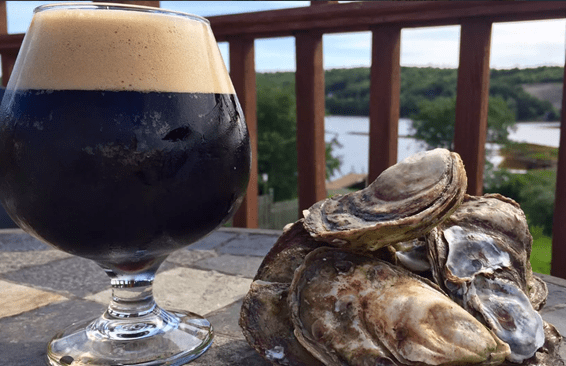
The brewery’s creativity shines through its beer selection. Adventurous drinkers may be intrigued by the oyster-infused beer, which subtly reflects the maritime environment that surrounds it. Traditionalists will find plenty to appreciate as well, with a diverse lineup ranging from approachable ales to more robust offerings.
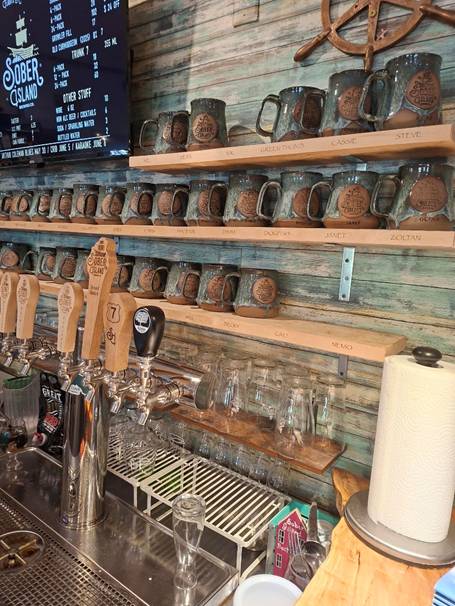
Perhaps the most charming aspect of Sober Island Brewing is its community spirit. The brewery’s famous Mug Club features personalized steins bearing humorous names and stories known only to locals and regular visitors. It’s the kind of detail that transforms a brewery visit into a cultural experience.
The outdoor beer gardens provide another reason to stay awhile. Overlooking the water, guests can sip locally crafted beer while listening to live music and watching the changing Atlantic sky. It’s an atmosphere that captures the essence of Nova Scotia hospitality.
The Slippery Oyster & Sheet Harbour Motel: Comfort Food by the Sea
After a day exploring the coastline, few experiences are more satisfying than settling into a comfortable seaside restaurant for a hearty meal. The Slippery Oyster (22715 Hwy 7 Sheet Harbour) delivers exactly that.
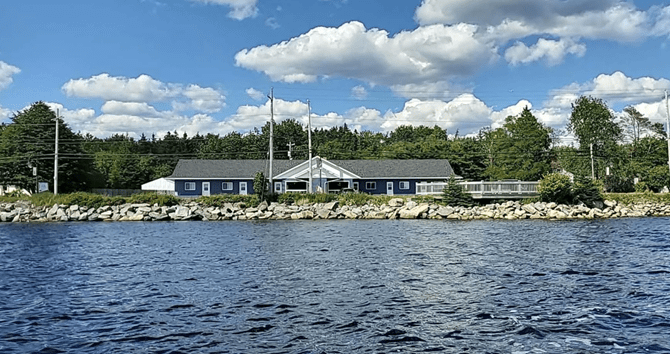
With sweeping views of the bay across the road, the restaurant provides a relaxed setting where maritime flavours take center stage. The menu celebrates both seafood and traditional pub fare, paired with an impressive selection of local craft beers.
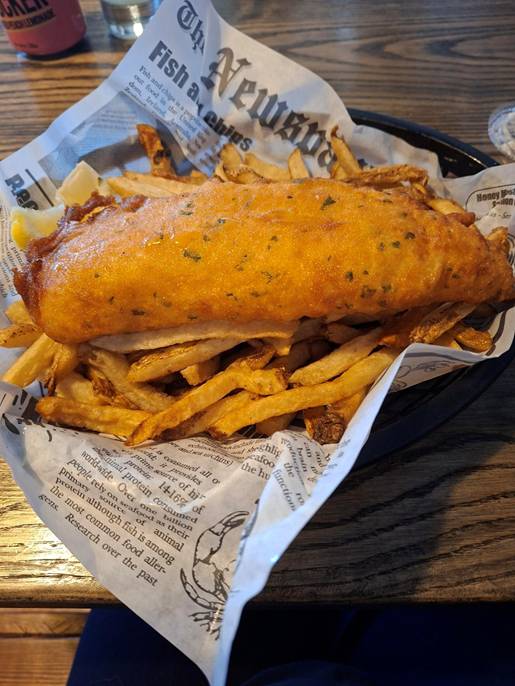
The fish and chips exemplify what makes East Coast comfort food so appealing. Perfectly crisp without being heavy, the dish highlights fresh seafood while maintaining the satisfying familiarity travellers often crave after a long day on the road.
Adjacent accommodations at the Sheet Harbour Motel make this an ideal stop for culinary travelers exploring the region. Modern rooms with coastal-inspired décor provide a comfortable retreat before continuing the journey.
Hope for Wildlife: Understanding the Natural Ecosystem Behind the Food
Although not a culinary destination in the traditional sense, Hope for Wildlife (5909 Hwy 207 Seaforth) offers valuable insight into the natural environment that sustains Nova Scotia’s food systems. Personally, Hope has been an inspiration to my family as we watched the TV series that showcases the great work accomplished by the Hope for Wildlife team.

Founded by wildlife rehabilitation pioneer Hope Swinimer, the centre rescues and rehabilitates hundreds of species each year. During my visit, I gained a deeper appreciation for the intricate relationship between nutrition, environmental stewardship, and wildlife conservation.
The team’s expertise is remarkable. Caring for more than 300 species requires extensive knowledge of animal nutrition and habitat needs. Stories such as the rehabilitation of young seals (need live fish to survive) illustrate how scientific understanding and hands-on experience combine to improve outcomes for wildlife.
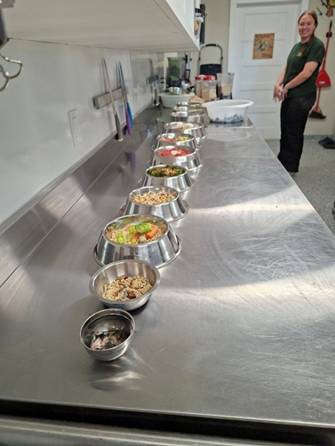
For food travelers interested in sustainability, conservation centers like Hope for Wildlife provide important context. Healthy ecosystems ultimately support healthy fisheries, agriculture, and communities throughout the province.

We featured a children’s book about Hope and her wildlife work last year that has now earned an award. Support the great work of Hope for Wildlife through online purchases, donations, sponsorships, open house support and volunteering. You will fall in love with the animals, guaranteed!
Harbour Heritage Farm
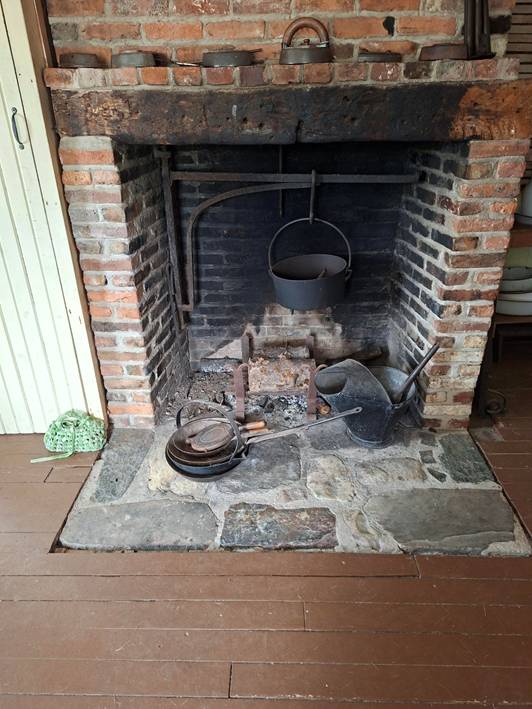
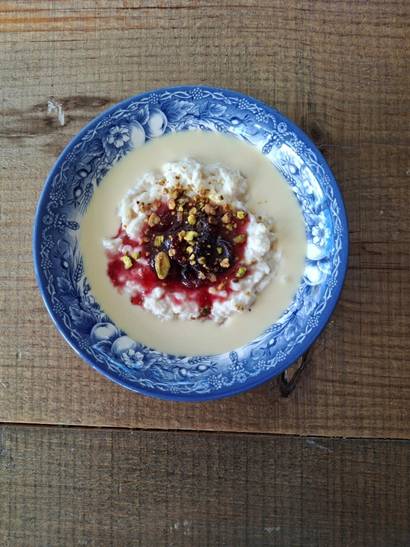
Right smack dab in the middle of an urban sprawl, you’ll find 3 acres of land with an original homestead, outbuildings, gardens and animals (471 Poplar Dr Cole Harbour). The historic Giles House is Cole Harbour’s oldest home and gives you a glimpse into the life of past generations. This Heritage Farm Museum has preserved much of what the world looked like 200 years ago. Visitors are treated to history and culture that shaped present day living. This is especially true in the Rose & Kettle Tea Room where food is based on authentic recipes of the past with a dabble of modern inspiration. They infuse daily dishes with food from the garden and make them in a throwback kitchen. Sip some coffee, shop for authentic gifts, pet an animal and wander the gardens. A lovely way to spend a day!
Halifax: Where History and Modern Culinary Innovation Meet
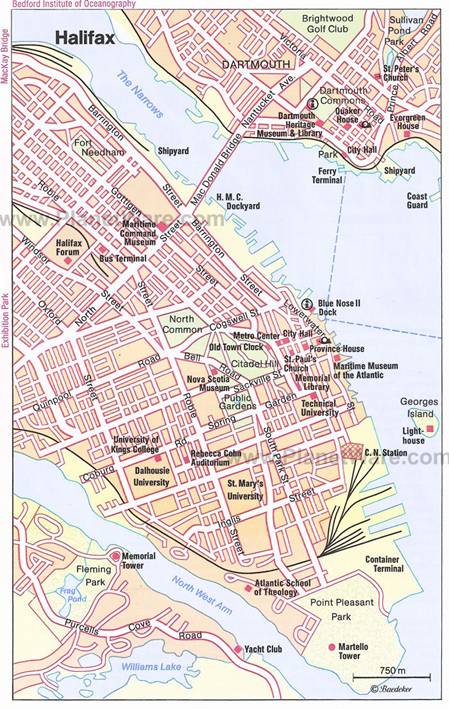
As the journey transitions from rural Eastern Shore communities into Halifax, Nova Scotia’s culinary story expands dramatically. The provincial capital blends centuries of history with a vibrant contemporary food scene. Historic architecture, bustling waterfront districts, innovative restaurants, and passionate culinary professionals create one of Atlantic Canada’s most exciting food destinations. From heritage recipes and local ingredients to modern dining experiences and guided food tours, Halifax serves as both a guardian of tradition and a laboratory for culinary innovation.
The Narrows Public House
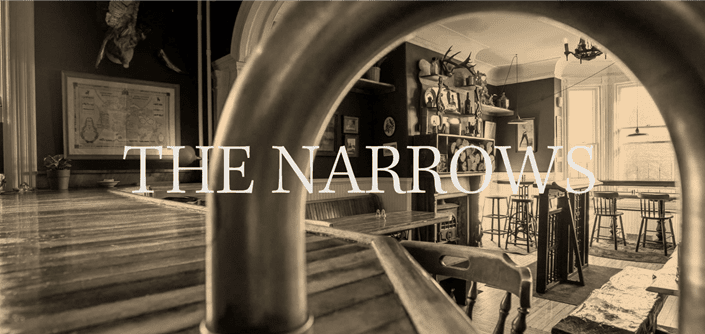
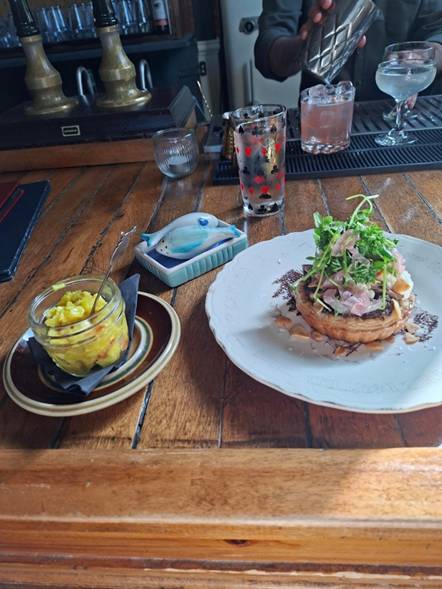
Step into a beautifully curated old home that feels like you’re entering a high end British pub (2720 Gottingen St, Halifax) with bespoke nooks and crannies upstairs and down. This restaurant provides a wonderful bartender that pairs sippable drinks with your meal. I had the Mushroom Tart with a side of Mustard Pickles, and finished with a Sticky Toffee Pudding – all were delectably made and consumed with great joy. Should you wish to imbibe into the evening and need to rest your head for the night, book one of the rooms above the pub. Check out the gallery of beautiful pictures and their menus at The Narrows Halifax Public House.
Chef Craig Flinn
We have reviewed both of Craig’s books and I was thrilled to meet up with him in Halifax and chat about the culinary world of Nova Scotia. He knows this topic very well as he’s been a Nova Scotian chef for 37 years and now plies his talent with special events, catering, culinary tours and interactive food presentations. His Celebrations cookbook is not only for holidays but special moments in our lives and year round events. You’ll want this book on your kitchen shelf for all the upcoming celebrations in your world.
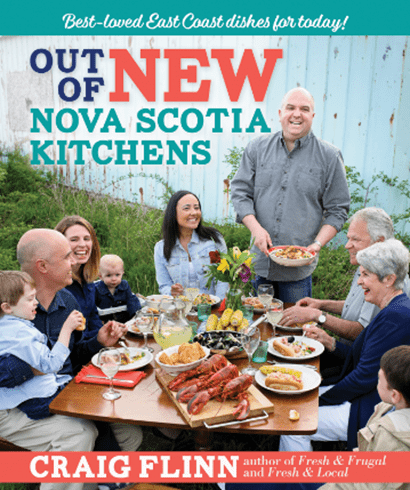
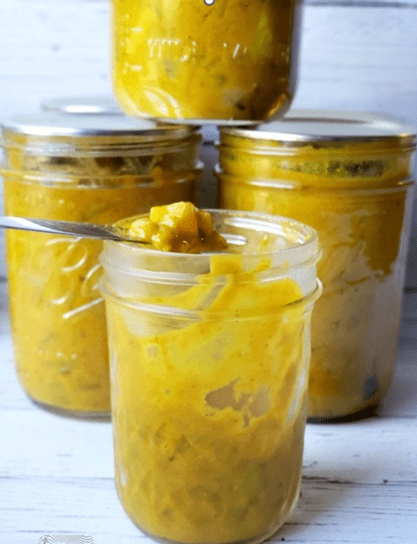
Out of New Nova Scotia Kitchens is a look into his family’s recipe box that Craig shares with people wanting to connect with their own food influences. Nova Scotia is obsessed with Mustard Pickles so thought you’d like to make them in our Recipe section. You can also win a signed copy of Craig’s book in our Giveaway tab.
The topic of the development of food culture in Nova Scotia was discussed and Craig prides himself in elevating local products and championing them in both his cooking and writing. Farm-to-table or field-to-fork concepts have always been the basis of Maritime cuisine. This theme was the common thread in every conversation I had with food people throughout the province.
Out of Old Nova Scotia Kitchens
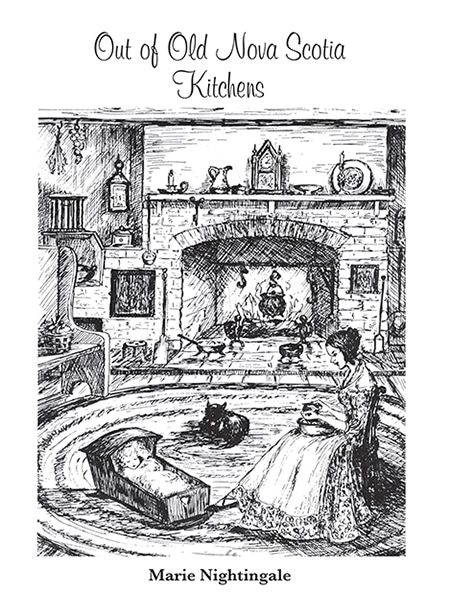
Author Marie Nightingale was a good friend of Craig and the two books mesh well together. One honours the history of Nova Scotia recipes while Craig highlights his family’s legacy. We featured the Old book that gave us a glimpse into historical recipes and the kitchens of Nova Scotia. You can win a copy in our Giveaway section.
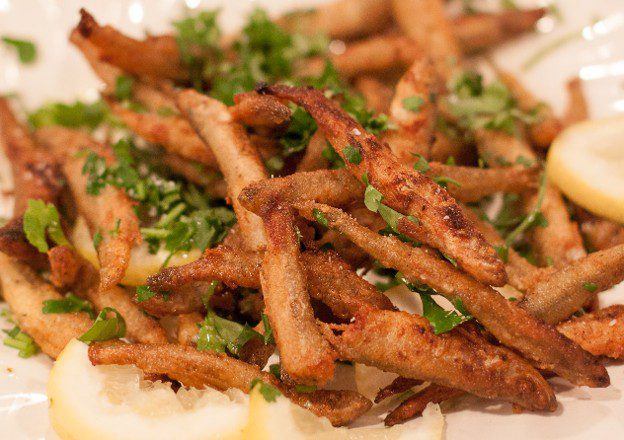
One of the recipes that resonated with me was the Fried Smelts. Every September, my dad would rally his children and take us down to Lake Erie. On the beach, a bonfire was lit as we waited for the sun to go down. We’d pull up hip waders and with nets in our hands, scoop up bushels of smelt. The next day, we’d have an assembly line of people, cleaning the smelts, bagging them in cleaned out milk bags as they would head to the freezer. A favourite childhood memory.
Hydrostone District: A Blast from the Past

Nestled into a residential community is a street that has a park (5531 Young St Halifax) dedicated to the Halifax Explosion of 1917. Designated by Parks Canada as a National Heritage Site, Hydrostone District is a splendid example of an English-style garden suburb, designed according to the latest principles of town planning in the rebuilding after the Explosion.
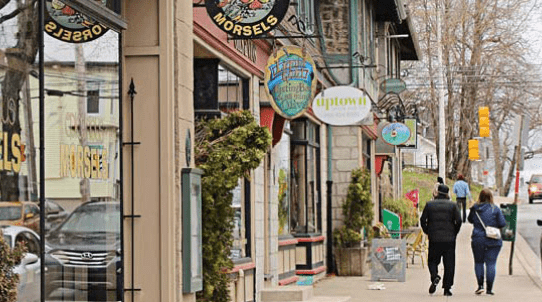
Lining the other side of that street, is a row of shops and restaurants that provide a vibrant Paris-feel with patios and places to meet up with friends. The houses and shops are all constructed on a common architectural theme, and preserve a remarkable sense of time and place.
Nova Scotia Cookery, Then & Now
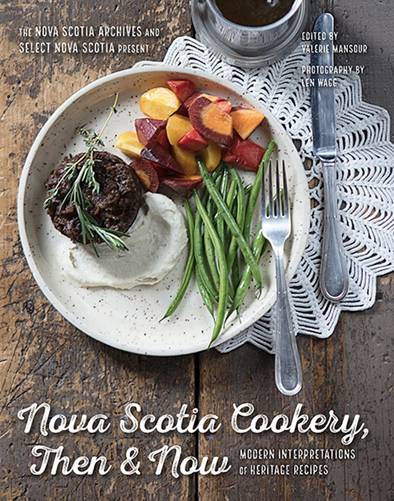
Nova Scotia Cookery, Then & Now: Modern Interpretations of Heritage Recipes (see our Book Review section) is a unique cookbook that bridges Nova Scotia’s culinary past with its vibrant contemporary food culture. Drawing on the Nova Scotia Archives’ What’s Cooking? collection, editor Valerie Mansour selected historical recipes dating from as early as the eighteenth century, including dishes preserved in newspapers, community cookbooks, and family recipe collections. These heritage recipes offer a fascinating glimpse into the province’s social history, cultural diversity, and evolving food traditions.
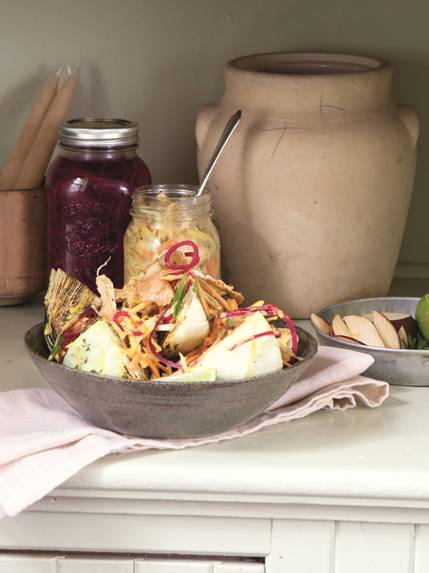
To bring these historic recipes to life, Taste of Nova Scotia paired them with leading chefs and food producers from across the province. Each contributor reinterprets a traditional recipe using modern techniques, local ingredients, and contemporary culinary styles while respecting its historical roots. It celebrates the rich heritage of Nova Scotia’s communities—including Mi’kmaq, Acadian, African Nova Scotian, and immigrant influences—while demonstrating how traditional foods continue to inspire modern cuisine. Nova Scotia Cookery, Then & Now offers readers an engaging exploration of the province’s past and present through the universal language of food. Mike Eldershaw, an African Nova Scotia chef working in an Indigenous restaurant shares his Cabbage Salad in the Recipe section. Give coleslaw a new twist with this fusion-inspired version of an historical classic.
Halifax Citadel

As we’re talking about historical influences on the Nova Scotia food scene, visit the iconic Halifax Citadel National Historic Site (5425 Sackville St), grab a cup of coffee and a pastry in their coffee shop while touring the barracks, museum and watch reenactments.
Historian Hal Thompson of Parks Canada educated me on the quality of food the soldiers would have experienced at the Citadel: “Basically, there were two levels of culinary life in the army – that for the officers and non-commissioned officers, and that for the “other ranks,” or ordinary soldiers. Officers and sergeants had their messes, or dining clubs, and access to more funds through subscriptions, so ate very well. Meals included a lot of fish and game, including deer, moose, bear, rabbit, pheasant, and grouse (which the officers hunted and fished themselves). For the rank and file, the first meal of the day was “for each man, of a bowl of excellent coffee well sweetened and just clouded with milk, and a pound of new bread, that was to last through the day. Many indulged in butter besides, which could be procured at the canteen at the rate of a penny the pat, slightly salted and very good.”
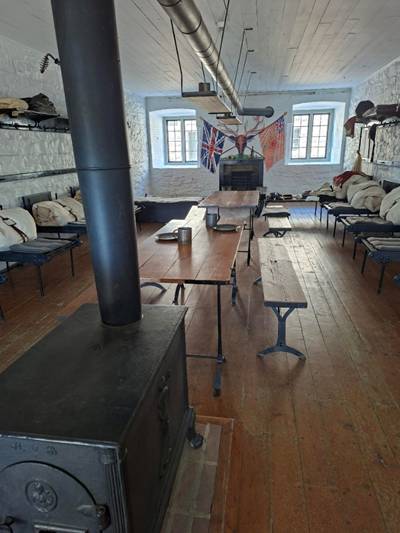
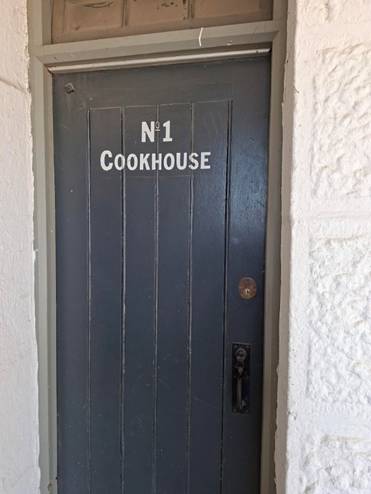
Dinner began at noon, and was a far larger production. “At a quarter before twelve the bugler sounded for ‘cooks,’” explains an anonymous soldier, “and there was a rushing down of the cooks from all of the rooms, with iron dishes, to fetch the meat and potatoes from the kitchen. On most days of the week we had baked meat and potatoes; but the fare varied, and was good and ample as a rule. Sometimes we had pea soup in addition to the meat; now and then curry, meat-puddings, or meat pies; and frequently on Sundays plum puddings.” Tea, the last meal of the day in the mid to late afternoon, consisted simply of tea and leftover bread.
Dulse to Donairs
Continuing with the historical theme, Dulse to Donairs: An Irreverent History of Food in Nova Scotia by Steven Laffoley is a lively and humorous exploration of Nova Scotia’s culinary past. Blending personal anecdotes, historical research, and cultural commentary, Laffoley traces the evolution of the province’s food traditions over roughly 10,000 years. What begins as the author’s curiosity about local delicacies such as dulse, lobster, seafood dishes, and the iconic Halifax donair develops into a broader investigation of how food has shaped Nova Scotian identity.
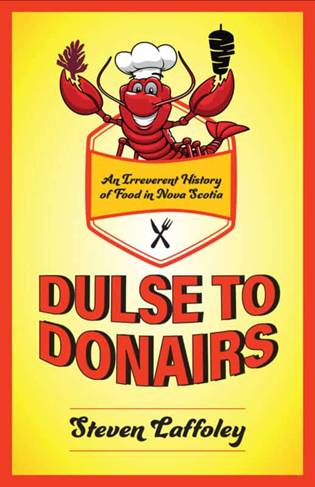
Organized as a culinary journey through the province’s history, the book examines the contributions of Mi’kmaw peoples, Acadians, African Nova Scotians, and successive waves of immigrants whose foods and customs influenced the region’s cuisine. Laffoley explores everything from traditional Indigenous ingredients and early settler diets to farming, fishing, markets, desserts, and modern street foods. Along the way, he highlights unusual recipes, forgotten culinary practices, and the social and economic forces that affected what Nova Scotians ate.
Written in an accessible and often self-deprecating style, the book is both an entertaining food history and a celebration of Nova Scotia’s diverse cultural heritage. Through stories, historical facts, and a touch of irreverence, Laffoley reveals how the province’s distinctive food traditions reflect its people, landscape, and history.
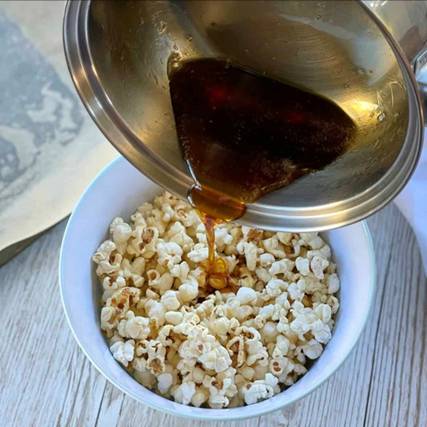
Check it out in the Canadians + Food section while trying the Dulce Popcorn with Maple Syrup in the Recipe tab – a truly Canadian spin on a much loved snack.
King of Donair

We featured the Book of Donair in the past so it became compelling that I stop in at the most infamous donair purveyor, King of Donair (6420 Quinpool Rd) who has been in business for over 50 years…these people know their donair! So glad I did…the shawarma style wrap has a unique sauce that’s made with condensed milk so is sweeter than expected. Once you get past that taste conundrum, the messy very filling cone of goodness will be devoured in minutes. Many people may try to replicate it, but the authentic taste of a Halifax donair is truly special.

There’s many versions of this iconic delight and you can make a Meatloaf Donair in in the Recipe section. There’s also boxed attempts found in your grocery store but nothing compares to the real thing. It’s worth a trip to Halifax!
Curated Seafood Tour

I met up with Curated Food & Drink Magazine Chief Curator, Alexander Henden at Dilly Daily Coffee Café (6100 Quinpool Rd), a quirky in the best way possible, coffee and pastry shop that is very popular with the locals! My peach-glazed cheese croissant was delectable and paired well with the latte.
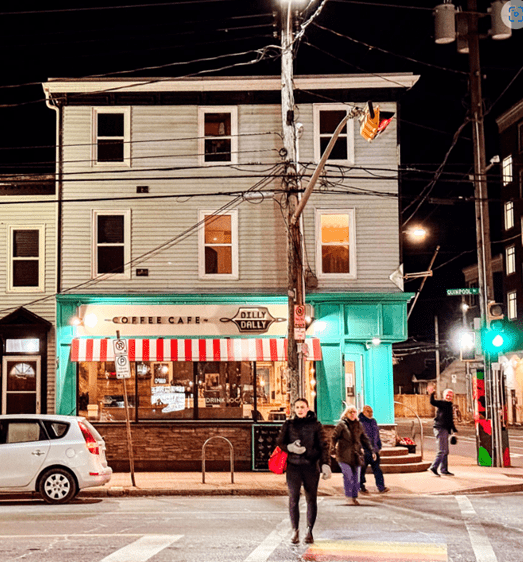
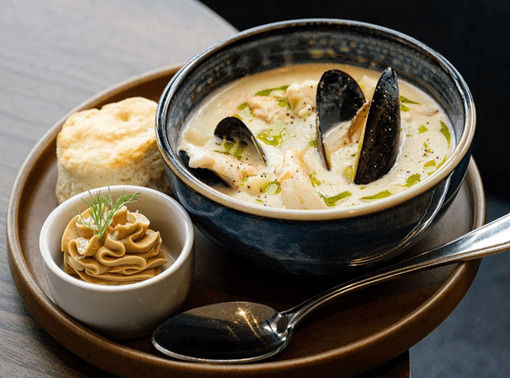
Alex hosts culinary tours in Halifax. The Seafood Tour (1919 Upper Water St) is the most popular with stops at four restaurants serving seafood chowder, lobster roll, fish cakes, a glass of wine and finished with ice cream and chocolate truffle.
Alex is more than a curator of good food…he also knows the food industry in Halifax and Nova Scotia. His wealth of knowledge of the culinary history and prevalence is inspiring. Contributing to the food scene for many years, he has become the expert that loves to share his insights.
Travel Tip: If you like your accommodation to be pampering with beautiful views, Halifax Harbour hotels are amazing. But should your budget say “no way” and you don’t mind the bare necessities of laying your head, most universities (choose hostel/room) have summer time dorm room accommodation available. Any university town has this option and its very inexpensive. A great budget-friendly option!

Final Thoughts
Nova Scotia’s Eastern Shore and Halifax reveal a culinary landscape shaped by geography, history, immigration, and an enduring connection to the Atlantic Ocean. Every farm, brewery, restaurant, historic site, and food tour contributes another chapter to a rich and evolving story.
For travelers who believe the best way to understand a destination is through its food, this region offers endless opportunities to explore, taste, and connect. Whether enjoying bison raised in the Musquodoboit Valley, sampling craft beer overlooking the ocean, savouring a classic Halifax donair, or learning about centuries-old cooking traditions, visitors discover that Nova Scotia’s true flavour lies in the people who proudly share their heritage one meal at a time.
Contents and images used with permission by Nova Scotia Tourism.