

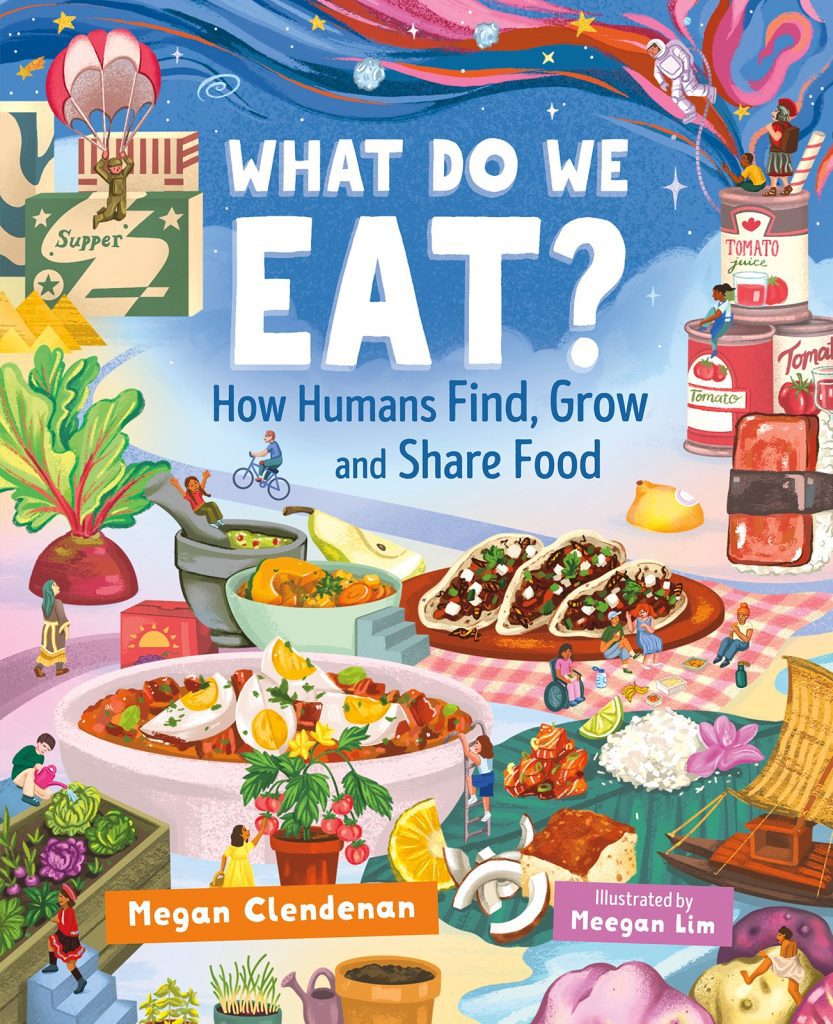
If food history, sustainability and global cuisine had a lively dinner party, the guest of honor would be What Do We Eat? by Megan Clendenan, illustrated by Meegan Lim. This richly layered children’s nonfiction book serves up an irresistible buffet of stories about how humans have found, grown, transported and shared food across centuries and continents. Aimed at middle-grade readers, it reads like a culinary adventure mixed with history, science and culture — the kind of book that makes kids hungry for both dinner and knowledge.
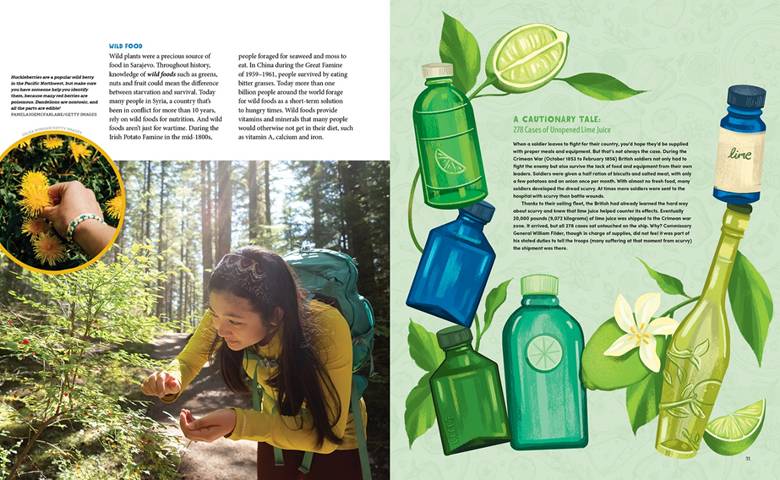
What makes this book especially delicious for food lovers is its constant attention to what people actually ate in challenging situations. Readers travel from the Andes Mountains, where the Inca survived on quinoa stew, roasted potatoes and freeze-dried chuño, to Mongolia’s Gobi Desert with its yogurt, mutton dumplings and dried cheese curds. One chapter explores astronauts growing green chilies for “space tacos” aboard the International Space Station, while another examines how Roman soldiers marched on bread, lentils and hard cheese. The book never treats food as background detail; every meal tells a story about survival, innovation and identity.
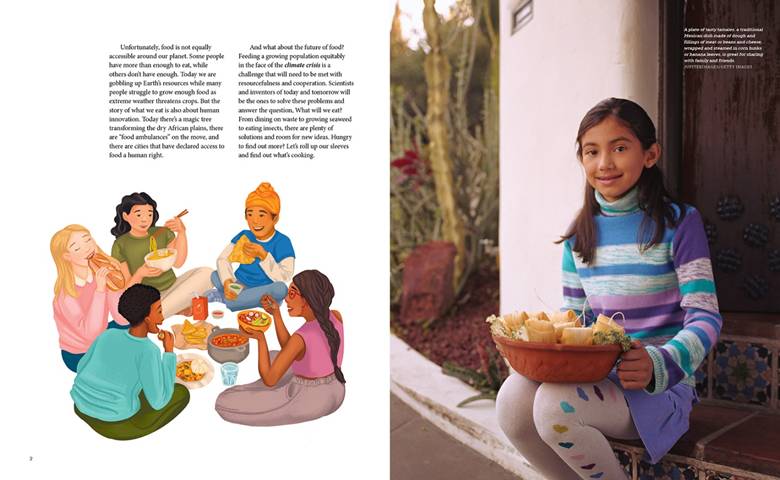
Clendenan’s writing is energetic and conversational without watering down the complexity of the subject matter. She skillfully connects historical food traditions to modern concerns like climate change, food insecurity and sustainability. One particularly memorable section discusses food waste, including a United Nations banquet made entirely from discarded ingredients such as bruised pears, vegetable scraps and cocoa husks. Instead of sounding preachy, the book encourages curiosity and problem-solving. Kids come away thinking differently about what lands on their plates and why it matters.
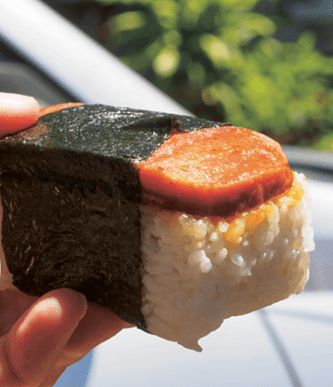
The structure also keeps readers engaged. Bite-sized sections, timelines, “challenge” callouts and menus make the information easy to digest. Young readers can dip into chapters individually or savor the book cover to cover. There is genuine excitement in discovering how ancient sailors fought scurvy with citrus and bean sprouts, or how communities in Niger revived farmland through agroforestry and the remarkable gao tree. War times are explored through food like Spam. We thought you’d like to try Musubi from Hawaii in our Recipe section. Sushi reinvented again! While enjoying this snack, purchase the book at https://www.orcabook.com/What-Do-We-Eat or win a copy in the Giveaway section.
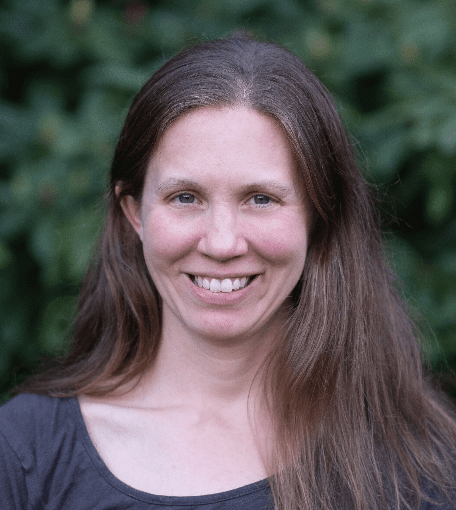
Author Megan Clendenan brings both passion and credibility to the project. She has written other environmentally focused nonfiction titles, including Fresh Air, Clean Water and Cities: How Humans Live Together, and her interest in sustainable food systems shines throughout this book. According to the back matter, she enjoys learning how people ate throughout history and hopes future food systems become more sustainable and just. That sense of curiosity and optimism flavors every chapter. Megan Clendenan
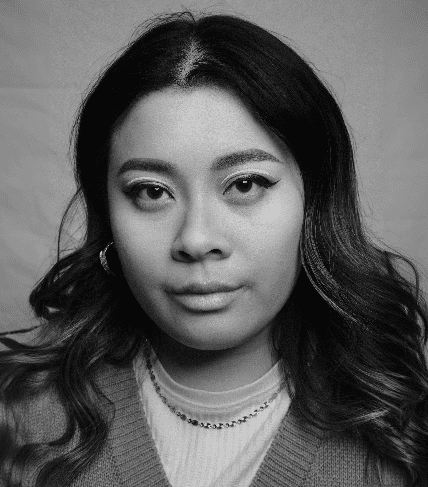
Illustrator Meegan Lim deserves equal praise. Her warm, textured artwork gives the book the cozy feeling of a beautifully curated food journal. Lim’s illustrations celebrate cultural diversity and culinary traditions while making scientific and historical ideas visually inviting for young readers. Her background in exploring food and cultural identity through art is evident in every spread, from steaming dumplings to colorful produce and bustling marketplaces. Meegan Lim | Brampton | Illustration | Community Arts
What Do We Eat? is far more than a children’s food book. It is a feast of history, science, resilience and imagination — one that will leave readers inspired to ask bigger questions about the meals they eat every day.
Contents and images from What Do We Eat by Megan Clendenan, illustrated by Meegan Lim. Used with permission by Orca Book Publishers. https://www.orcabook.com/What-Do-We-Eat