

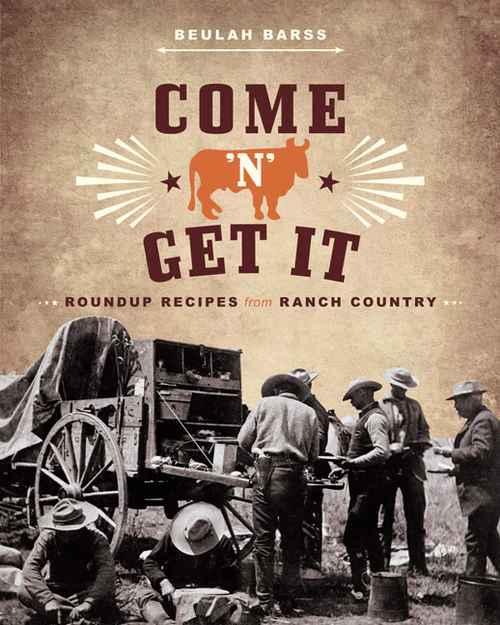
Few cookbooks capture the spirit of Alberta’s ranching heritage quite like Come ‘N’ Get It: Roundup Recipes from Ranch Country by Beulah Barss. More than a collection of recipes, this charming volume serves as a culinary time capsule, preserving the traditions, ingenuity, and resourcefulness that helped define life across Canada’s cattle country.
As Calgary gears up for the excitement and pageantry of the annual Calgary Stampede, Barss’s cookbook feels especially relevant. The Stampede has long celebrated Western culture, ranching traditions, and the foods that emerged from generations of hardworking cattle families. Among the book’s most fascinating offerings is the Prairie Oyster, found in our Recipe section-a dish that remains one of Alberta’s most talked-about culinary traditions.
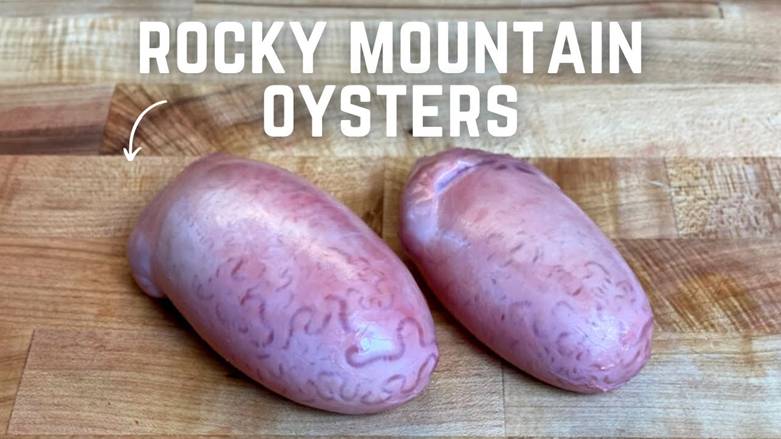
The origin of the dish is tied to Canada’s cattle traditions, particularly in Alberta. As long as there have been ranchers and cattle drives, bulls among the herd have been gelded to prevent excessive reproduction. The process is also a safety precaution, as castrated bulls are generally calmer and less aggressive towards ranch hands. From there, the more industrious—and perhaps daring—cooks found ways to ensure that no part of the animal went to waste, transforming an overlooked ingredient into a distinctive regional specialty.
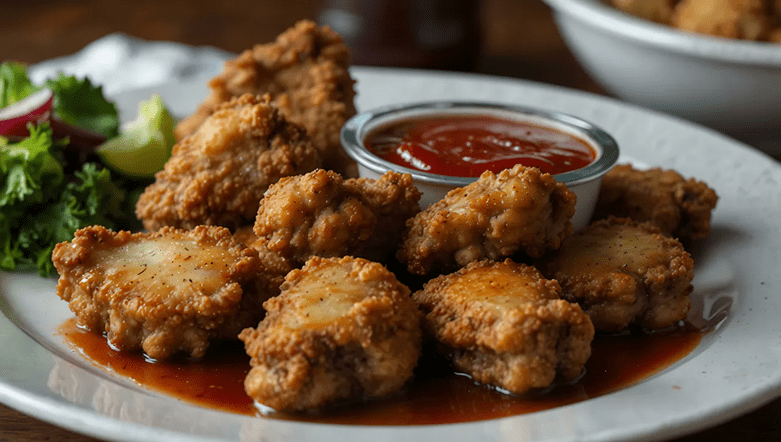
Today, the Prairie Oyster, or sometimes called Rocky Mountain Oyster, remains a celebrated curiosity, particularly during the Calgary Stampede. In fact, Alberta hosts an annual festival dedicated to the dish as part of the Stampede festivities, where adventurous food lovers can sample a surprising variety of preparations. Traditional platters of deep-fried prairie oysters remain popular, but creative chefs have expanded the menu to include versions sautéed with wine and shallots, demonstrating how this humble ranch-country ingredient can be elevated into something unexpectedly refined.
Barss presents the recipe with the straightforward practicality characteristic of prairie cooking. There’s no attempt to disguise the ingredient or reinvent its origins. Instead, the recipe reflects a philosophy deeply rooted in ranch culture: respect the animal, waste nothing, and make the most of what is available. As for flavour, opinions vary. Most people agree the dish has a mildly gamey taste, and when deep-fried, its crispy coating creates a texture reminiscent of breaded venison. Others compare it to the deep-fried calamari commonly found in pubs or family-style Greek restaurants. Critics, meanwhile, have described poorly prepared versions as tasting like deep-fried rubber—a fate likely caused by overcooking rather than any fault of the ingredient itself.
What makes Come ‘N’ Get It so enjoyable is its authenticity. Barss doesn’t simply provide recipes; she offers a glimpse into a way of life where practicality and creativity worked hand in hand. Reading the Prairie Oyster recipe alongside the cookbook’s many other ranch-country favourites reveals the resourcefulness that shaped Western Canadian cuisine. Purchase the book at https://heritagehouse.ca/products/come-n-get-it or win it in our Giveaway section.

While Prairie Oysters may initially surprise modern diners, they represent a longstanding tradition of using every part of the animal and avoiding unnecessary waste. There may never be as many advocates for Prairie Oysters as there are for Alberta beef steaks, but for adventurous eaters, they offer a memorable taste of ranch-country history. Thanks to Beulah Barss’ cookbook, that history remains deliciously accessible, especially during Calgary Stampede season.
Content and images used with permission from Come ‘N’ Get It (May 2016), Heritage House. https://heritagehouse.ca/products/come-n-get-it