

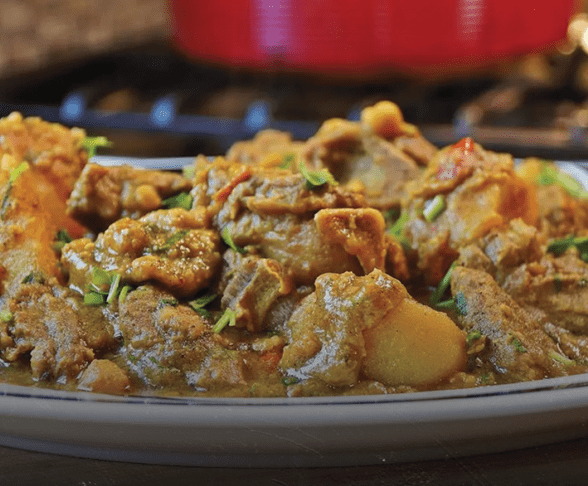
from Caribbean Curry
Today, Indo-Caribbean food is a pillar of our region’s culinary identity, from Trinidad and Tobago to Guyana, Jamaica, Suriname, and even islands like Guadeloupe and Martinique. Curry is no longer just Indian—it’s Caribbean. These curries may have their roots in India, but over time, they’ve evolved into something uniquely West Indian. What you’ll find here is more than just food; it’s a taste of our Caribbean Curry Culture, like this recipe.
Ingredients
3 lbs lamb (with bones), cut into 2-inch pieces
Juice of 1 lemon
½ tsp black pepper
¾ tbsp salt, divided
2 tbsp Caribbean green seasoning, divided
2–3 tbsp olive oil
1 medium onion, sliced
8 cloves garlic, smashed
2 pimento peppers, sliced (optional)
¾ tsp cumin seeds (geera)
1 tsp anchar masala (or ground roasted cumin)
2 tbsp curry powder
1 medium tomato, diced
3¼ cups water, divided
2 tbsp coconut cream
8 medium potatoes, quartered
1 Scotch bonnet pepper, left whole (optional)
2 tbsp chopped parsley
Directions
Marinate the lamb: Wash the lamb pieces with the lemon juice and cool water. Drain well. In a bowl, combine the lamb with one tablespoon of Caribbean green seasoning, black pepper, and ½ tablespoon of the salt. Mix well, cover, and marinate in the fridge for 2–4 hours.
Sauté aromatics: Heat the olive oil in a heavy pot over medium heat. Add the sliced onion, smashed garlic, and sliced pimento peppers (if using). Reduce the heat to low and cook for 3 minutes.
Bloom the spices: Add the cumin seeds and anchar masala (or ground roasted cumin) and cook for 2 minutes. Add the curry powder and cook for 2–3 minutes, stirring constantly. Add the diced tomatoes and cook for an additional 2 minutes.
Create the curry base: Increase the heat to medium and add ¼ cup of water along with the remaining 1 tbsp of Caribbean green seasoning. Bring to a simmer, then increase the heat to high to burn off all the liquid until the oil separates.
Stew the lamb: Add the marinated lamb (including any marinade) to the pot and stir well to coat. Cover and bring to a boil. Reduce the heat to medium and cook for 10 minutes.
Add coconut cream and water: Turn the heat to high and add the coconut cream, stirring well to combine. Add the remaining 3 cups of water and bring to a boil.
Simmer with potato: Add the whole Scotch bonnet pepper (if using) and reduce the heat to a simmer. Cook, covered with the lid slightly ajar, for 45 minutes. Add the quartered potatoes, stirring to tuck them into the liquid. Continue simmering until the lamb is fork-tender and the potatoes are tender, about 45 minutes.
Finish and serve: Taste and adjust the remaining salt as needed. Stir in the chopped parsley. Serve hot with rice or roti.
Notes:
Spice Level: Do not break the whole Scotch bonnet pepper unless you desire extreme heat. Remove it before serving for a milder dish.
Beef Cut: Using a bone-in cut of lamb will add more flavor.
Potatoes: Cutting the potatoes into large chunks helps them hold their shape during the long cooking time.
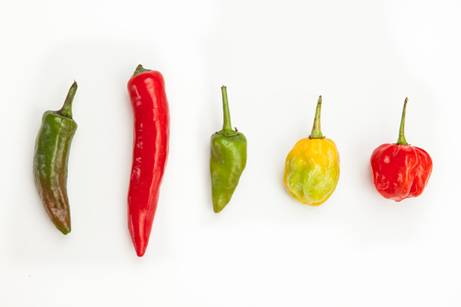
Nada’s Tips & Tricks: A great recipe to spice up your Easter lamb dinner. Find the scotch bonnet too hot for your palate? Try other peppers with less heat…although a scotch bonnet is quintessentially Caribbean! Serve with my Curry Cornbread in the Recipe section.
Contents and images used with permission by Caribbean Pot Cookbooks – CaribbeanPot.com