

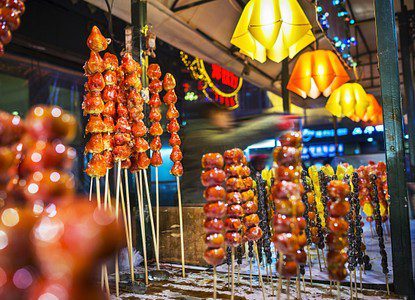
China doesn’t just feed you — it overwhelms you in the best possible way. During our 11-day journey through Shanghai, Suzhou, Hangzhou, and Beijing with WeChina Vacation, travel quickly became less about sightseeing and more about tasting our way through one of the world’s great food cultures. Each destination layered new flavors, textures, and traditions onto what we thought we knew about Chinese cuisine. By the end, “Chinese food” no longer meant a single category — it meant an ever-shifting landscape of regional identity, craft, and fearless creativity.
From sprawling family-style banquets to street snacks that tested our courage, every meal was an invitation to rethink comfort zones.

First bites in Shanghai
After landing in Shanghai and settling into our hotel, we were welcomed with a classic tour-style feast: a lazy Susan groaning under platter after platter of regional staples. The table itself felt alive, constantly rotating, offering new aromas every few seconds. Stir-fried noodles slick with oil and soy. Sweet-and-sour fried fish crackling under glossy sauce. Tender pork melting into braised tofu. Sautéed greens bright with garlic. Fluffy scrambled eggs, vegetable soup, fried rice, cucumber salad — dishes arriving faster than we could finish the last.
Eating family style isn’t just a meal in China; it’s choreography. Chopsticks dart, plates spin, flavors collide. There’s laughter, negotiation, and a quiet understanding that abundance is an expression of generosity. Nobody eats alone; every bite is shared.
It was our first lesson: variety is the point. The goal isn’t one perfect dish — it’s the conversation created between many.
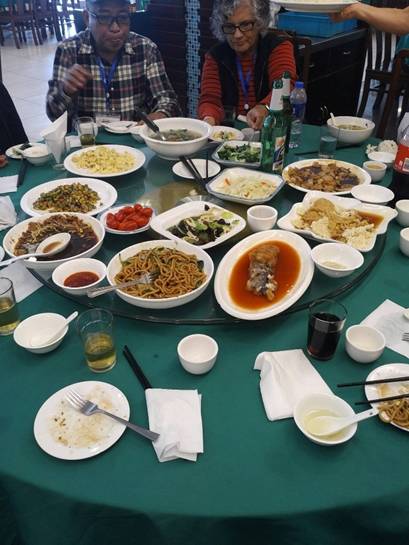
After landing in Shanghai and settling into our hotel, we were welcomed with a classic tour-style feast: a lazy Susan groaning under platter after platter of regional staples. The table itself felt alive, constantly rotating, offering new aromas every few seconds. Stir-fried noodles slick with oil and soy. Sweet-and-sour fried fish crackling under glossy sauce. Tender pork melting into braised tofu. Sautéed greens bright with garlic. Fluffy scrambled eggs, vegetable soup, fried rice, cucumber salad — dishes arriving faster than we could finish the last.
Eating family style isn’t just a meal in China; it’s choreography. Chopsticks dart, plates spin, flavors collide. There’s laughter, negotiation, and a quiet understanding that abundance is an expression of generosity. Nobody eats alone; every bite is shared.
It was our first lesson: variety is the point. The goal isn’t one perfect dish — it’s the conversation created between many.
Water towns, gardens, and silk — and snacks in between
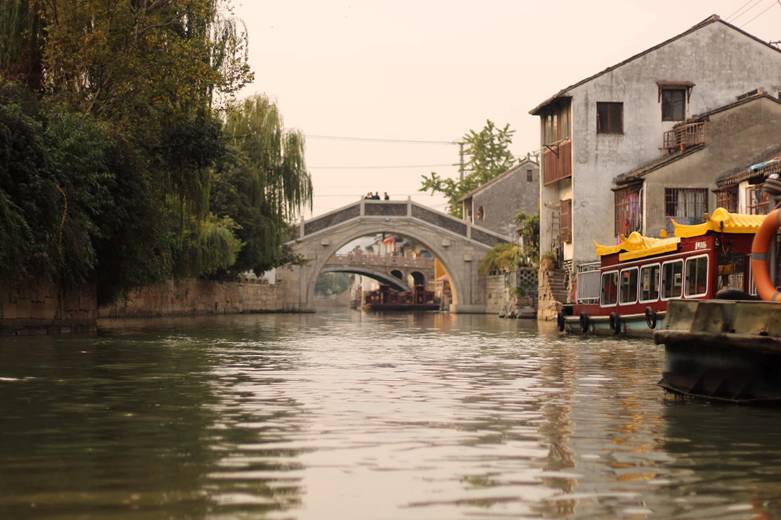
Traveling from Shanghai to Suzhou, the landscape softened into canals and classical gardens. Known as the “Venice of the East,” Suzhou pairs elegance with everyday street life. The refinement of its famous gardens contrasts beautifully with the bustle of its markets, where food is immediate, practical, and deeply local.
Between visits to the UNESCO-listed Master of Nets Garden and a cruise along the Grand Canal, we sampled bites that tasted handmade in the truest sense — skewers sizzling over open flames, dumplings folded at lightning speed, broth steaming in the cool morning air. Vendors worked with muscle memory passed down through generations. Watching them cook felt like witnessing living history.
A visit to a silk mill revealed the painstaking patience behind China’s most famous fabric, but it also reminded us how deeply craft and food culture intertwine. Both demand repetition, discipline, and pride. Both are expressions of identity. Just as silk threads are stretched and layered, recipes are refined over centuries until technique becomes second nature.
Wuxi and Hangzhou: beauty on a plate
In nearby Wuxi, one of China’s oldest cities, food felt more rustic and intimate. Wandering away from polished tourist streets into local markets, we found vendors selling snacks that locals actually eat every day — savory buns bursting with juice, braised meats dark with soy, preserved vegetables sharp with salt and time, sweets wrapped in simple paper. These are the flavors that rarely appear on export menus, yet they form the backbone of regional cuisine.
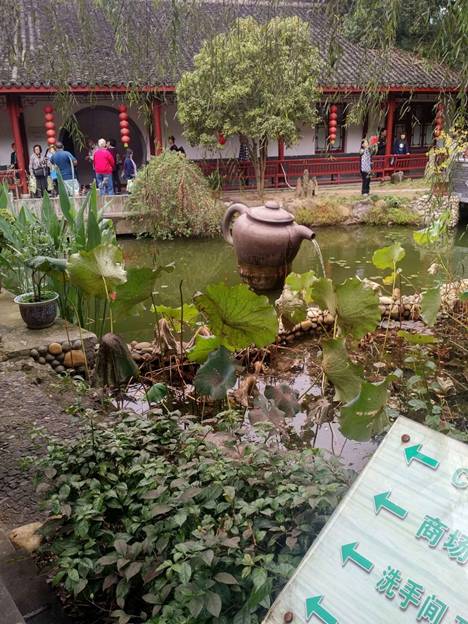
Hangzhou delivered scenery to match its reputation. Described by Marco Polo as the most beautiful city in the world, it feels suspended between poetry and practicality. Cruising West Lake was like gliding through a painting — mist softening the edges of pagodas, willow branches brushing the water.
The experience continued with an aromatic tea tasting at the Dragon Well plantation. The tea was grassy, nutty, alive — a flavor so vivid it reset our expectations entirely. Suddenly every cup of green tea we’d ever had felt like a pale imitation. Tea here isn’t just a drink; it’s ritual, agriculture, and philosophy in liquid form.
Shanghai after dark: dumplings, beer, and bravery
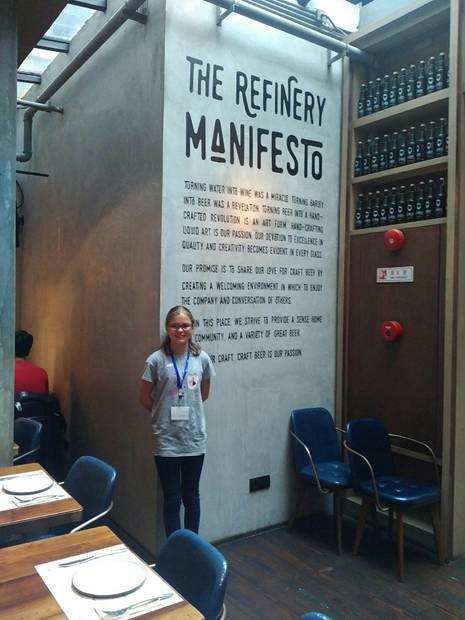
Back in Shanghai, we detoured briefly from Chinese cuisine at The Refinery in Xintiandi — refined Western plates with subtle Asian influence — before plunging back into the city’s true culinary heartbeat. The contrast highlighted how global Shanghai is: a place where influences collide without erasing tradition.
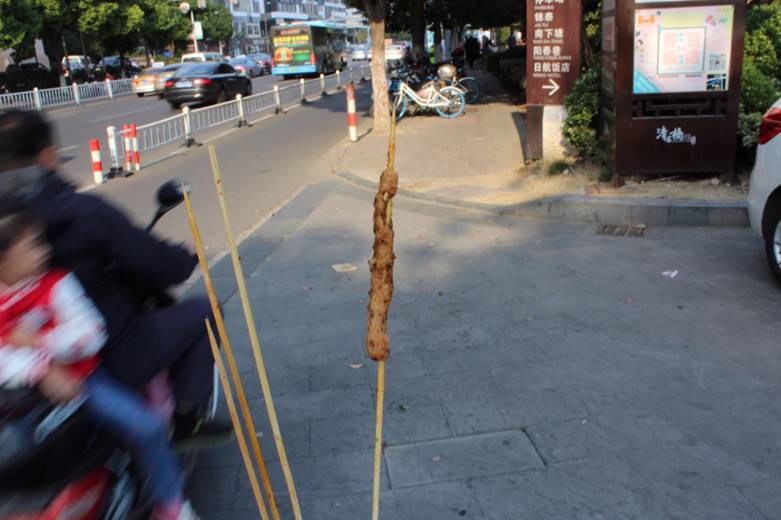
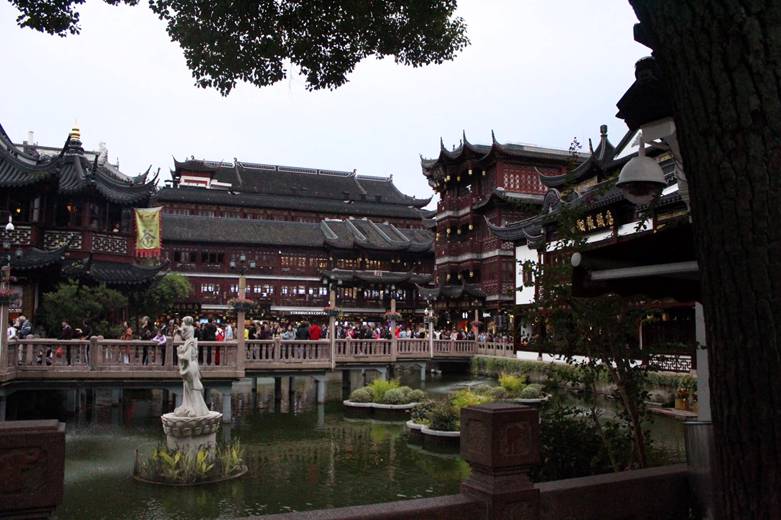
At Yuyuan Garden Bazaar, street food dared us to expand our comfort zone. Vendors offered everything from skewers of frog — chewy but surprisingly mild — to displays that made you question exactly what might end up in your stir-fry. China doesn’t hide its ingredients; it celebrates them. Transparency replaces squeamishness. The message is clear: respect the whole animal, respect the process.
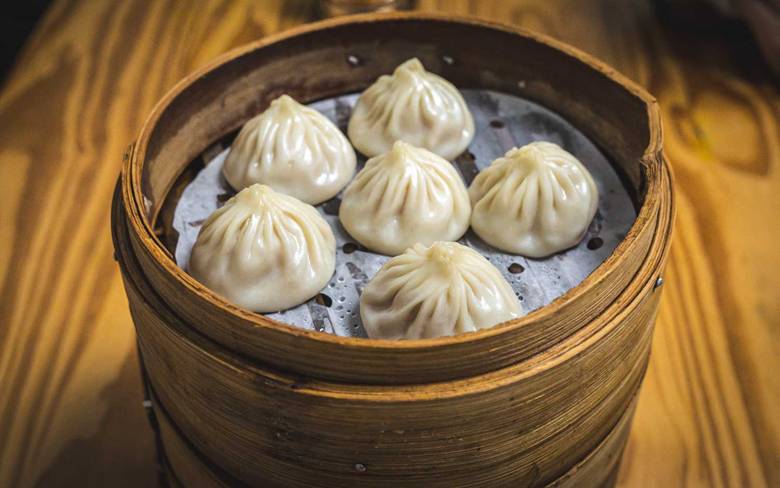
The highlight was a Lost Plate evening food tour through the French Concession: a walking feast of hand-pulled noodles, soup dumplings, slow-braised pork belly, sweets, and local beer. Watching masters fold dumplings with hypnotic speed was like witnessing edible architecture. Dough stretched, filled, and sealed in seconds. Every bite told a story of technique honed over decades.
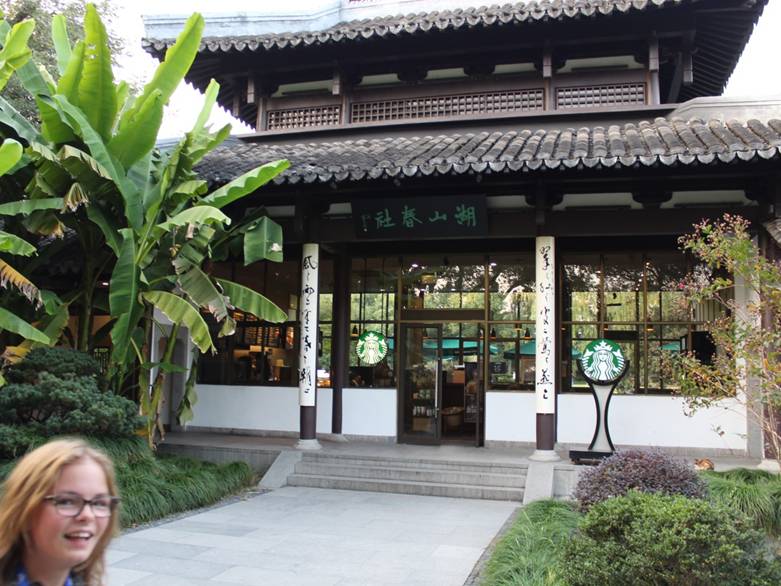
Even global comforts appear with Chinese personality — yes, there was a Starbucks, much to my granddaughter’s delight — but Shanghai’s real magic glows at night along the Huangpu River. Neon reflections shimmered on the water as we cruised past the skyline, appetite fully satisfied and senses overloaded.
Beijing: imperial scale, bold flavors
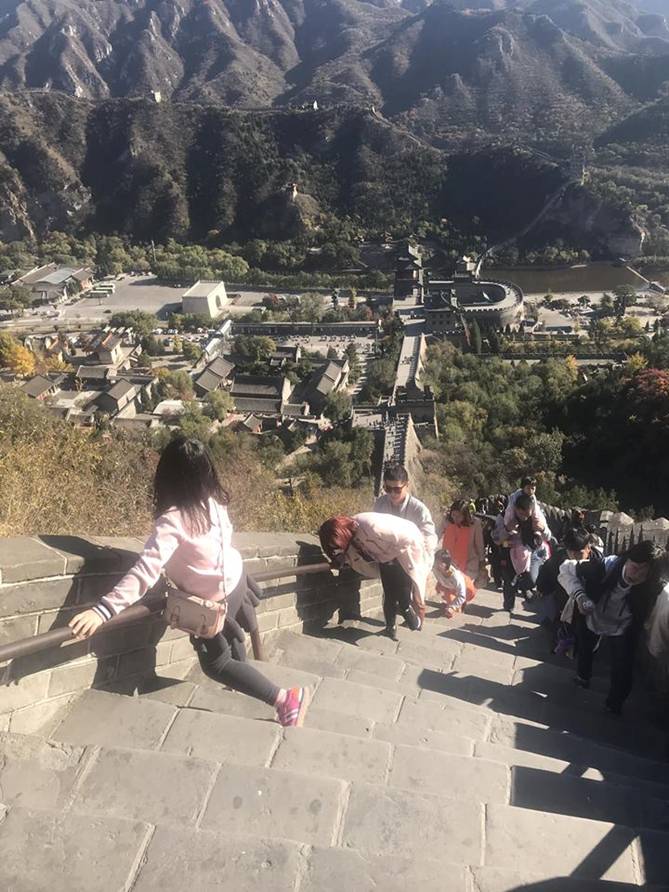
Beijing greeted us with monumentality — the Summer Palace, Tiananmen Square, the Forbidden City, the Great Wall — but the food scene was just as commanding. Northern cuisine leans bolder, heartier, shaped by colder weather and imperial history.
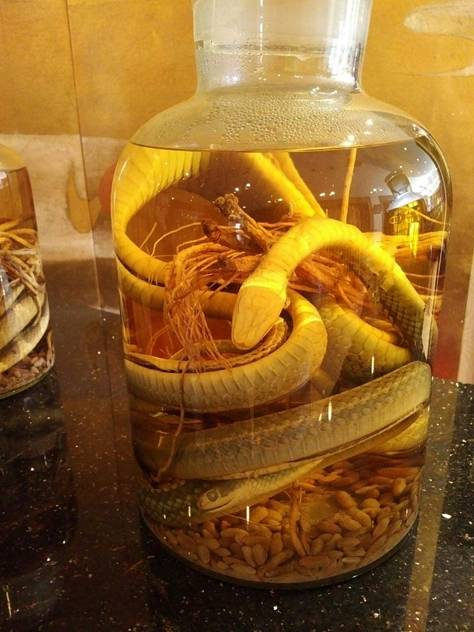
Lunch near a massive jade exhibition introduced menus featuring snake and lizard alongside safer options for squeamish Westerners. Culinary curiosity is part of the adventure here; ingredients that surprise you are simply part of daily tradition. Eating becomes an act of trust – in your hosts, in history, in the idea that unfamiliar doesn’t mean unpleasant.
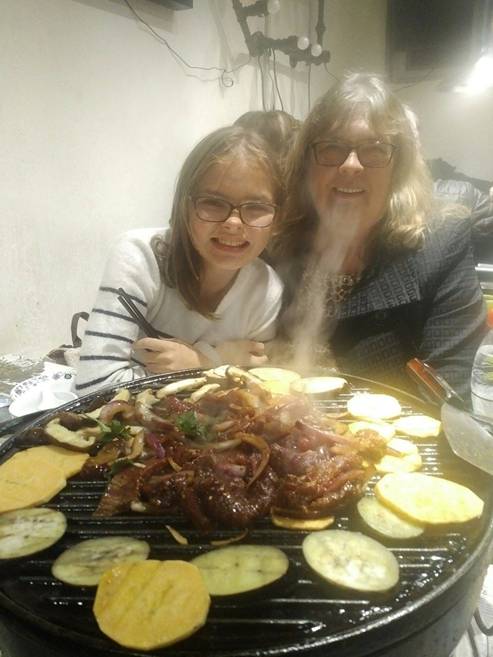
One unforgettable night, we rode rickshaws to an indoor Mongolian barbecue adopted into Beijing culture. Grills built into the tables turned dinner into an interactive event. Meat hissed, vegetables charred, and conversation flowed as we cooked to our own preferences. Smoke curled upward, carrying aromas that clung to our clothes and memories alike. It was communal dining at its most joyful, dissolving language barriers through shared appetite.
Our final evening closed at a resort that delivered elegance and finesse, a reminder that Chinese cuisine spans from street stalls to luxury banquets without losing its identity. Refinement doesn’t erase roots; it elevates them.
What China teaches you about food
Traveling through China dismantles assumptions. Chinese cuisine isn’t one flavor profile or one style — it’s a continent of techniques, histories, and regional identities. It’s bold, delicate, comforting, shocking, and endlessly generous. Meals are social architecture, designed to bring people into orbit around a table.
Food becomes a language you can speak without fluency. A shared plate says welcome. A refilled bowl says stay. A new dish placed in front of you says trust me.
If you think you know Chinese food, go hungry and go curious. The real experience is waiting at a spinning table, in a steaming basket, or on a stick from a street vendor smiling at your hesitation. It lives in the rhythm of markets at dawn and banquets that stretch deep into the night.
And it will change how you eat forever.
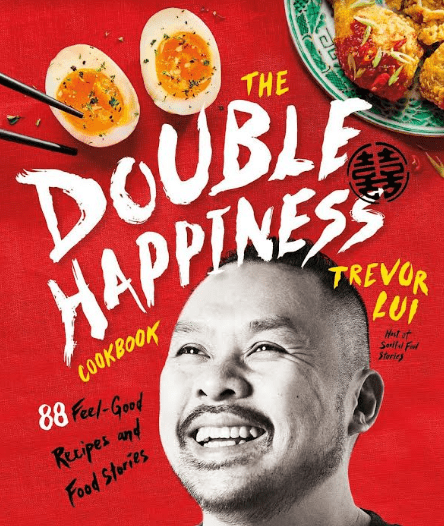
To whet your Chinese food appetite, go to our Giveaway section and win a copy of The Double Happiness Cookbook from chef Trevor Lui. We first met Trevor in our feature at The Double Happiness – Canadian Cookbooks To celebrate Lunar New Year, chef Lui shares his Steamed Whole Fish in our Recipe section.
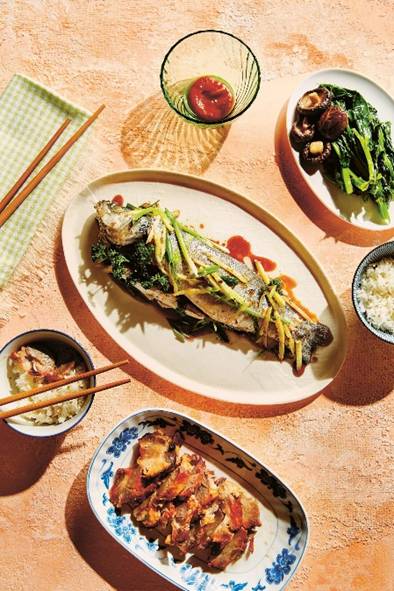
Contents and images from The Double Happiness Cookbook used with permission by Figure 1 Publishing