

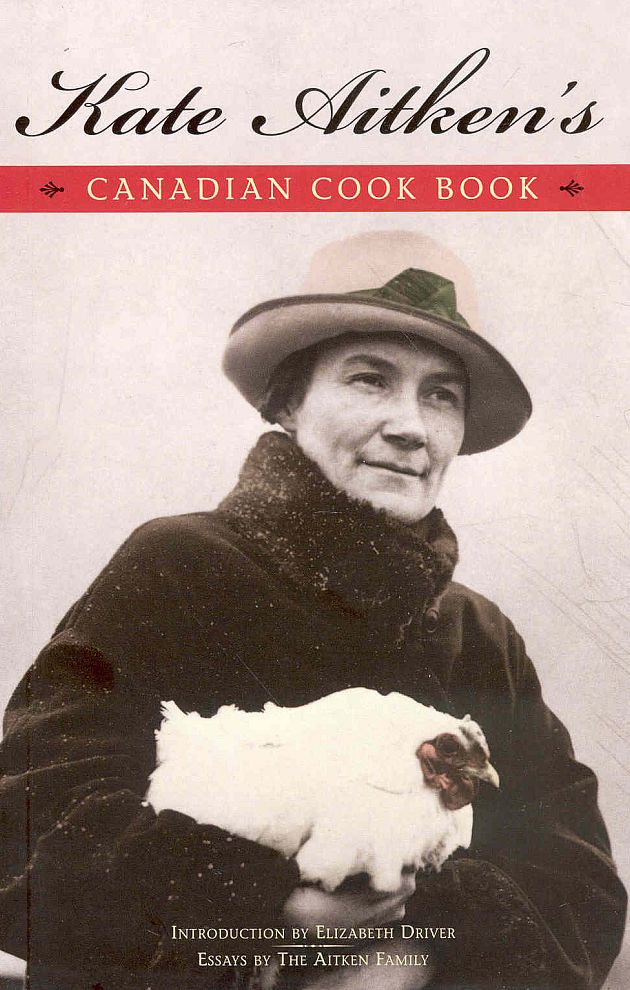
There is something deeply comforting about opening a vintage cookbook and discovering not only recipes, but an entire way of life pressed between the pages. Kate Aitken’s Canadian Cook Book, first published in 1945, feels exactly like that kind of treasure: equal parts culinary guide, social history, and affectionate portrait of mid-century Canadian kitchens.
Long before celebrity chefs and glossy food television, Kate Aitken was Canada’s trusted household voice. Millions of listeners tuned into her radio broadcasts for cooking advice, homemaking tips, and practical wisdom, earning her comparisons to a Canadian Martha Stewart decades before the lifestyle empire existed. That warmth and confidence radiate from every page of this cookbook.

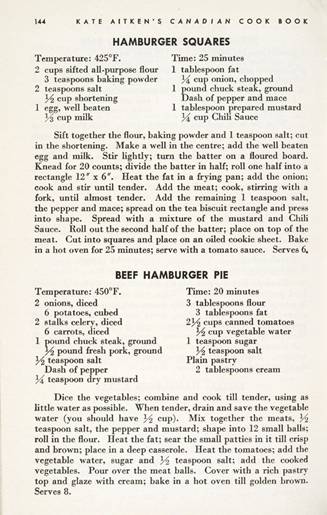
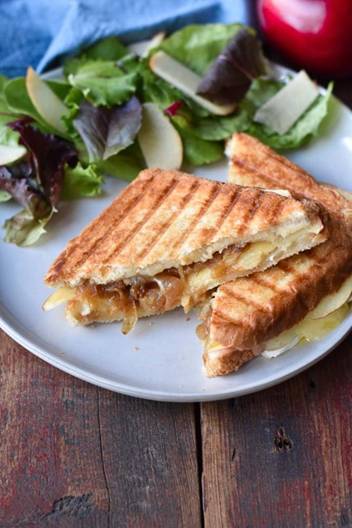
Unlike many modern cookbooks obsessed with perfection and presentation, Kate Aitken’s Canadian Cook Book is refreshingly utilitarian. The recipes are written for real families, real budgets, and real winter pantries. You will not find trendy ingredients or elaborate plating here. Instead, there are hearty soups, flaky pies, preserves, baked puddings, casseroles, and practical “quick lunches and suppers” designed to keep households running smoothly. I wanted to include a salad recipe but most of them included gelatin for the once-popular jelly salads. So instead we bring you Cheese Sandwich suggestions that may appear rudimentary but serve as an inspiration to make fun and varied summer sandwiches in our Recipe section.
What makes the book especially fascinating today is how vividly it captures postwar Canadian food culture. Reading it feels like stepping into a farmhouse kitchen in rural Ontario or a modest Montreal apartment where supper was expected promptly at six. The recipes lean heavily on seasonal produce, economical cuts of meat, canned goods, and pantry staples — reminders of a generation shaped by rationing, thrift, and resilience.
And yet, despite its age, much of the food still sounds genuinely delicious. Butter tarts, date squares, scalloped potatoes, and molasses cookies remain timeless Canadian comforts. Aitken’s baking recipes, in particular, have an appealing simplicity. They assume the cook already understands a few fundamentals, which gives the book a conversational intimacy modern cookbooks sometimes lack. It feels less like being instructed and more like being guided by a capable aunt standing beside the stove.
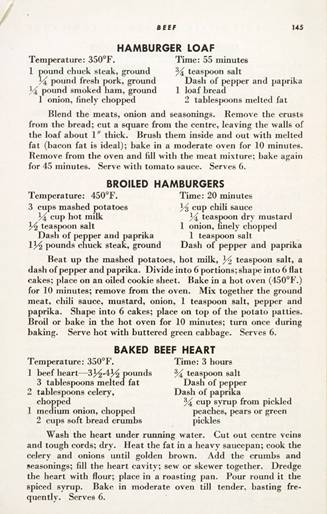
The charm also lies in the little details beyond the recipes themselves. Household hints, nutrition advice, etiquette notes, and practical kitchen wisdom appear throughout the book, offering a snapshot of domestic expectations in 1940s Canada. Some passages are undeniably dated, especially in their assumptions about women’s roles, but that historical context is part of the cookbook’s appeal rather than a flaw. Vintage cookbooks are cultural artifacts as much as culinary manuals.
Visually, the book has the understated elegance common to mid-century Canadian publishing. Depending on the edition, you may find modest illustrations, sturdy typography, and well-worn pages stained by generations of use. That lived-in quality somehow enhances the experience. A pristine vintage cookbook is nice; one splattered with pie filling feels authentic.
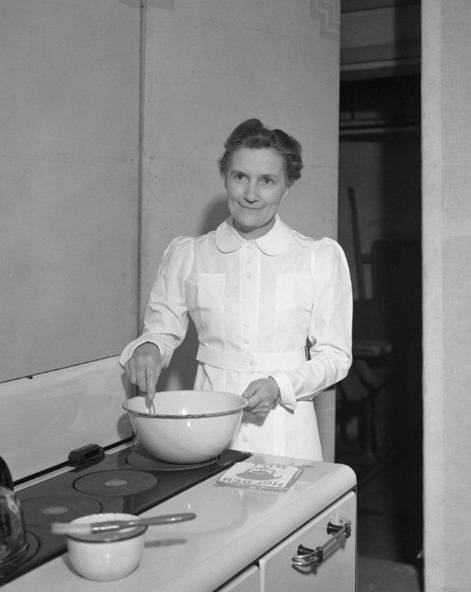
What ultimately makes Kate Aitken’s Canadian Cook Book endure is its sincerity. There is no irony in its pages, no performative nostalgia. It was written to help Canadians cook nourishing meals with confidence and care. More than eighty years later, that mission still resonates. Purchase the book at Kate Aitken’s Canadian Cook Book | Detail or win a copy in our Giveaway section.
For food lovers, historians, and collectors of culinary Canadiana, this cookbook remains a deeply satisfying read — not merely because of the recipes it contains, but because of the country it quietly preserves within them. Happy Canada Day!
Contents and images used with permission by Whitecap Books. Kate Aitken’s Canadian Cook Book | Detail