

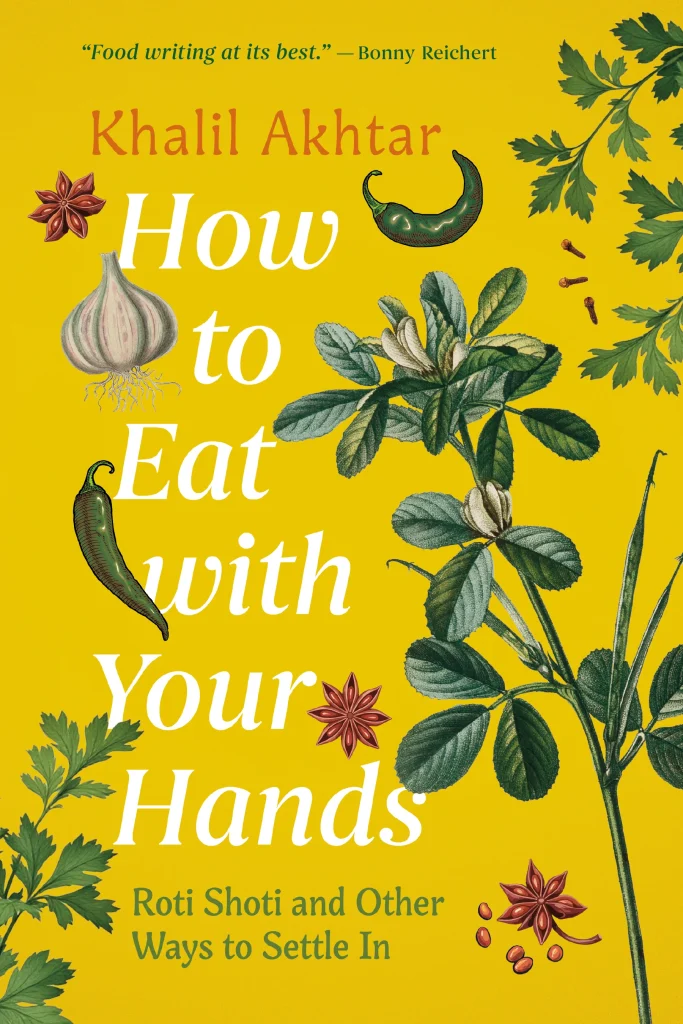
There is something wonderfully rebellious about How to Eat With Your Hands: Roti Shoti and Other Ways to Settle In . This is a book that doesn’t simply tell you what to cook—it encourages you to rethink how you cook, how you eat, and perhaps most importantly, how much pleasure can be found in getting your hands into the food. Although there are recipes throughout the book, this is author’s Khalil Akhtar’s thoughts and insights behind his Punjabi culture, food and the recipes. Khalil Akhtar

At its heart is a celebration of South Asian home cooking, particularly the deeply flavoured, comforting dishes that rarely receive the same attention as their restaurant counterparts. The book makes a convincing case for food that is slow, generous, aromatic, and meant to be shared around a table. Forget the polished restaurant plate for a moment. Here, the good stuff is often bubbling away in a pot on the back burner.
One of the book’s great strengths is its enthusiasm for dishes that reward patience. Chicken handi, for example, is presented as a humble, brothy curry rather than the dramatic, oil-rich dishes we often associate with Indian restaurant menus. Fragrant with Kashmiri chilies and ginger, it is the kind of food that feels less like a performance and more like being invited into someone’s family kitchen.
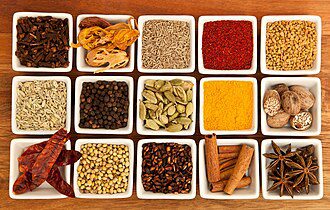
Then there is nihari—a rich, slow-cooked morning stew built around beef or lamb shank, marrow, collagen, and deep, earthy spices. The author describes it as a breakfast worth rediscovering, and that idea captures the book beautifully: these are foods that challenge our assumptions about when and how certain dishes should be eaten.
The recipes are also wonderfully unafraid of texture. Silky dal makhani, chewy naan, tender meat, crisp fried eggs, fresh herbs, chilies, lime, and crunchy garnishes all have their roles to play. The book understands that great food isn’t merely about flavour; it is about contrast—the pleasure of something creamy alongside something crisp, rich beside acidic, soft beside crunchy.
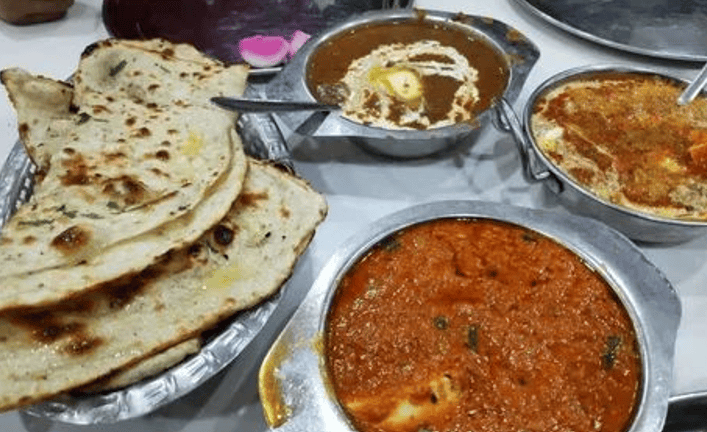
And despite its title, How to Eat With Your Hands is not really a book about abandoning cutlery. It is about reconnecting with the physical experience of eating. It reminds us that food can be tactile, instinctive, and communal. A piece of roti becomes an edible utensil. A curry becomes something to scoop, fold, tear, and savour.
I particularly loved the book’s insistence that recipes should not eliminate intuition. Cooking, the author argues, is learned through memory, repetition, smell, touch, and experience. That makes this feel like much more than a collection of recipes. It is an invitation to become a more attentive cook. Purchase it at How to Eat with Your Hands – Goose Lane Editions or win it in our Giveaway section.
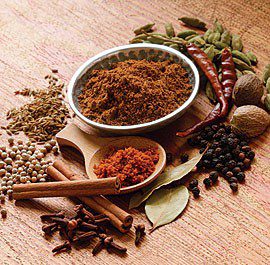
Even the pantry guidance is entertaining. Fresh ginger-garlic paste is preferred over the dull, acidic jarred version, while ingredients such as mangoes, okra, dal, chilies, and spices are treated with the reverence they deserve. Akhtar explains the three methods of developing traditional masala. We share his dry-roasting method of Garam Masala in our Recipe section.
For food lovers, How to Eat With Your Hands is an irresistible reminder that the best meals don’t always arrive neatly plated. Sometimes they simmer for hours, perfume the entire house, demand a warm roti, and leave you licking your fingers.
And really, what could be better than that?
Content and images used with permission from How to Eat with Your Hands: Roti Shoti and Other Ways to Settle In copyright © 2026 by Khalil Akhtar. Reprinted by permission of Goose Lane Editions. For more information, please visit www.gooselane.com