

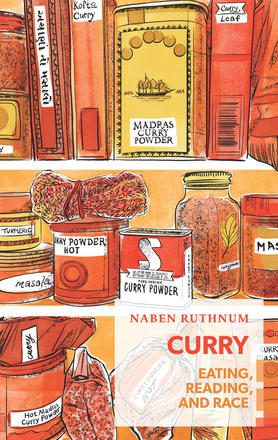
If food writing has a spice rack, Curry: Eating, Reading and Race is that unexpected pinch of something you didn’t realize your bookshelf needed. In this compact but potent essay-book, Naben Ruthnum doesn’t offer a recipe for masala or tikka masala — instead, he serves up a zesty cultural critique that uses curry as both metaphor and muse to dissect how we think about food, identity, storytelling, and the idea of “authenticity.” Naben Ruthnum – Wikipedia

Right from the first bite of his prose, Ruthnum makes it clear that “curry” as we know it is a myth — a catch-all term that robs a spectrum of dishes of specificity and, in the process, turns a rich culinary tradition into shorthand for what he provocatively calls “brown identity.” That provocative thesis is the main ingredient here: curry isn’t a singular dish, and Ruthnum argues that it shouldn’t be used to define or contain a people’s lived experience.
What makes this book delightful — for readers who approach it like a meal rather than a pamphlet — is the way Ruthnum’s voice simmers with wit and insight. He navigates between personal anecdotes of childhood and the pungent stigmas of the diasporic imagination, peppering his arguments with references to novels, movies, media tropes, and even the strange comfort of nostalgia.
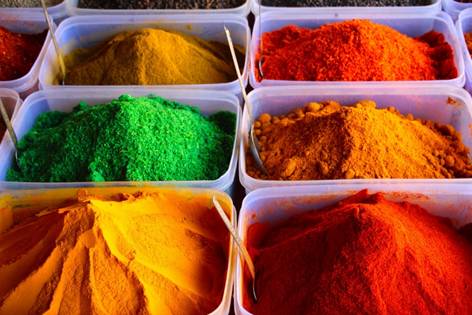
In the Eating section, the historical and cultural wanderings read like a food critic explaining why a dish tastes the way it does: sharp, unexpected, and rich with context. Ruthnum examines how curry’s global journey — from the spice routes of empire to suburban dining tables — has mirrored the movements of people and stories. Through this wide lens, he critiques “curry books” — works of fiction and memoir that lean on nostalgic culinary imagery to signal authenticity and emotional depth — suggesting they can sometimes trap writers and readers in predictable narratives about homecoming and belonging.
You won’t find step-by-step instructions here, but you will discover a feast of ideas about how we relate to food and identity: how dishes become symbols, how nostalgia flavors perception, and how the quest for the “authentic” too often limits what stories are told — and who gets to tell them. Ruthnum’s writing is reflective rather than prescriptive, inviting you to taste a bit of every spice before forming your own opinion.
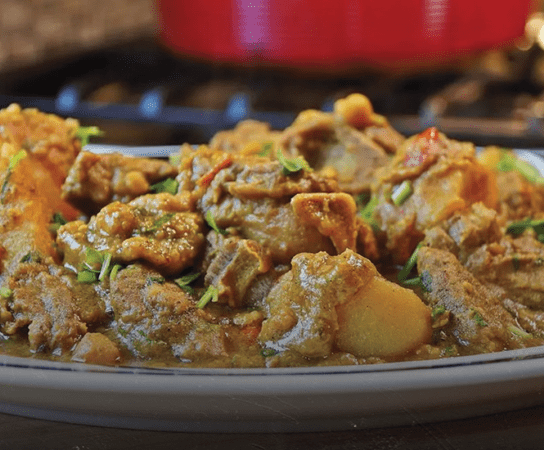
The book’s brevity is both a strength and a quirk: like a good amuse-bouche, its 144 pages offer concentrated flavor, but some readers have found the argument meandering or academic in places. It’s not a comfort food memoir, nor is it a cookbook; it’s more like a chef’s tasting menu crossed with a cultural studies seminar — rich, surprising, and a little provocative.
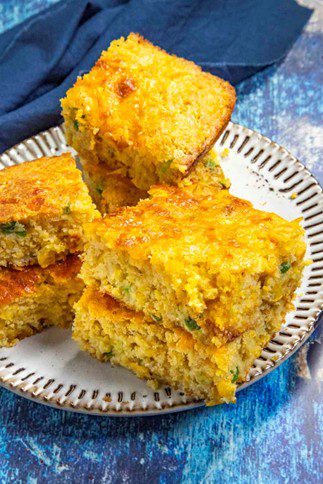
I share my Curry Cornbread in the Recipe section and while there, check out Coconut Curry Lamb with Potato from our Review of 25 Essential Caribbean Curry Dishes. Lots of curry this week! While you’re enjoying the heat, purchase Curry from https://chbooks.com/Books/C/Curry or win both curry books in our Giveaway section.
Curry is a compelling treat for anyone who loves thinking about food beyond the plate — the histories, the stories, the expectations we hang on what we eat and how we write about it. It’s food for thought that stays with you long after the last page — spicy, complex, and utterly unforgettable.
Content and images used with permission by Coach House Books. https://chbooks.com/Books/C/Curry