

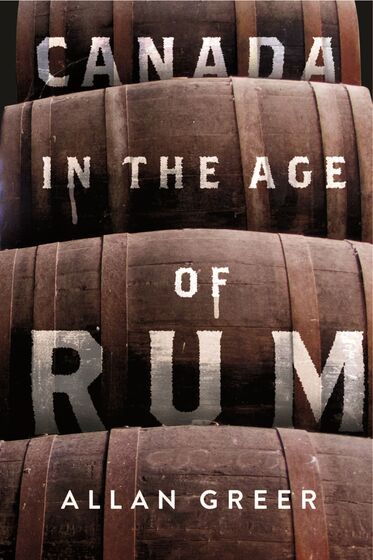
If history books had tasting notes, Canada in the Age of Rum by Allan Greer would open with a heady aroma of molasses, oak barrels, and something darker—exploitation, empire, and survival. This is not a conventional “foodie” read, yet Greer serves up a richly layered narrative where rum becomes both ingredient and catalyst in the making of early Canada.
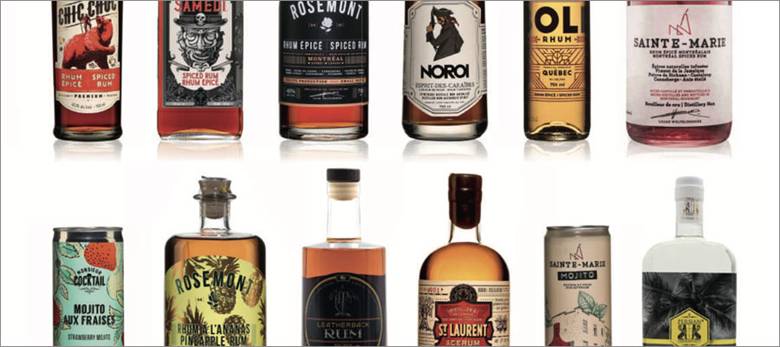
From the first sip, the book immerses you in a world where rum flows as freely as water. Between the 1670s and 1830s, vast quantities of this sugar-based spirit flooded colonial Canada, linking it to Caribbean plantations and the broader Atlantic economy. Greer frames rum not merely as a beverage but as a system—one that lubricated trade, structured labour, and reshaped relationships between European settlers and Indigenous communities. The effect is akin to reading a culinary history where a single ingredient reveals an entire supply chain, from plantation to table.
As a foodie reader, what stands out is Greer’s attention to consumption. Fishermen, voyageurs, and labourers didn’t just drink rum—they depended on it. Often supplied on credit at inflated prices, it became a tool of economic control, subtly clawing back wages while sustaining industries that might otherwise have collapsed. It’s a sobering reminder that what we consume—and how it reaches us—has always been entangled with power.
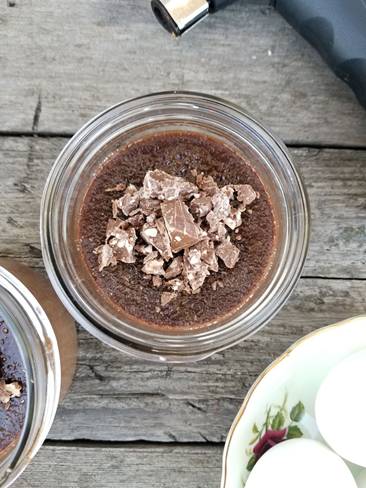
Looking for a delightful dessert that uses rum to enhance it’s flavour? Try Chocolate Rum Creme Bruleé in our Recipe section, generously provided by Wanda Baker of Bakersbeans at Chocolate Rum Creme Brulee – | Bakersbeans (Wanda Baker) Pair this dessert with a coffee spiked with rum and keep reading about the role of rum in Canada.
Greer explores the cultural “flavour profiles” of rum. Indigenous communities, far from passive recipients, incorporated alcohol into their own social and ceremonial practices, even as they resisted its damaging effects when necessary. This nuance elevates the book beyond a simple critique; it becomes a study in adaptation, agency, and resilience.
Stylistically, the prose is surprisingly approachable—more slow-simmered stew than dense academic treatise. Reviewers have noted its narrative pull, likening it to a story you’re tempted to rush through just to see how it ends. And yet, like a good meal, it rewards lingering. Each chapter layers new textures: commerce, ritual, addiction, and reform, culminating in the decline of rum as whisky rises and temperance movements gain traction.
If there’s a critique, it’s that the book occasionally leans more analytical than sensory. Readers hoping for vivid descriptions of taste or daily drinking rituals may find those moments sparing. But that’s not really the point—Greer is less interested in how rum tasted than in what it did. To further explore this heady product, purchase a copy of the book at Canada in the Age of Rum or win it in our Giveaway section.

At McGill University, Allan Greer has built a distinguished career as a historian specializing in early Canada and colonial North America. He has served as a professor and Canada Research Chair in Colonial North America, contributing extensively to the study of Indigenous history, Atlantic world connections, and early modern colonial societies. His scholarship, recognized with major awards and fellowships, reflects a commitment to rethinking Canadian history on a global scale, and Canada in the Age of Rum fits squarely within that mission.
In the end, this is a book that changes how you look at a drink. Rum is no longer just a cocktail base—it’s a historical force, distilled.
Contents and images used with permission by McGill-Queen’s University Press. Canada in the Age of Rum